



An Impossible Landscape
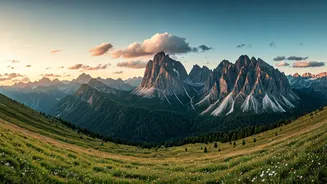
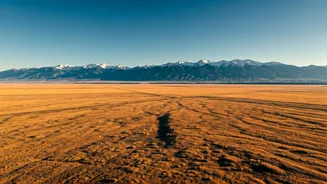
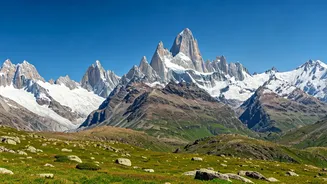
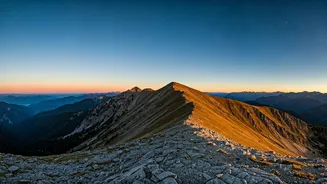
Driving into Colorado’s San Luis Valley, the landscape feels like a well-kept secret. To the east, the jagged peaks of the Sangre de Cristo Mountains tear at the sky. To the west, the San Juans form another formidable wall. And in between, rising from
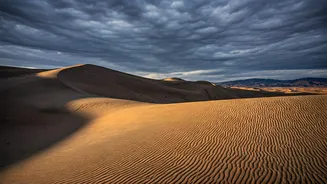
the high-desert floor, is something that simply shouldn’t be there: a 30-square-mile field of massive sand dunes, the tallest in North America. Great Sand Dunes National Park and Preserve is a place of profound contrasts. One minute you can be hiking up a dune that rises 750 feet, your feet sinking into fine, cool sand. The next, you can be splashing in the seasonal flow of Medano Creek, a wide, shallow stream that appears at the base of the dunefield each spring as the mountain snow melts. It’s a desert oasis where the “desert” is a mountain of sand and the “oasis” is fed by a mountain of snow. This surreal beauty is no accident; it’s the spectacular result of a powerful weather pattern.
The Science of a Rain Shadow
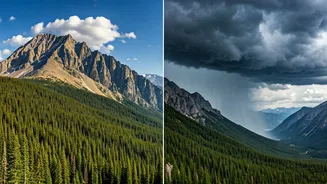
So, what exactly is a rain shadow? It’s a simple but dramatic meteorological event. Prevailing winds, carrying moisture from the Pacific Ocean, travel east across the country. When this moist air hits a massive mountain range—like the San Juan Mountains west of the San Luis Valley—it’s forced to rise. As the air rises, it cools, and cool air can’t hold as much moisture. The result is rain and snow blanketing the windward side of the mountains, which is why ski resorts like Telluride get so much powder. By the time the air crests the peaks and descends into the valley on the other side, it has been stripped of most of its moisture. This warm, dry air creates an arid or semi-arid climate in the valley below. This protected, dry area is the “rain shadow.” The San Luis Valley sits squarely in the rain shadow of the San Juans, receiving less than 10 inches of precipitation per year, creating the perfect conditions for a desert-like environment to form.
Forged by Wind and Water
A dry valley alone doesn’t create colossal sand dunes. You need two more ingredients: a source of sand and a unique wind pattern. The San Luis Valley has both in spades. The sand is comprised of sediments from ancient lakes and the surrounding mountains that have washed into the valley over millennia. The wind does the rest. Prevailing winds blow from the southwest, picking up sand particles and carrying them across the valley floor. When the sand reaches the base of the Sangre de Cristo range, it gets stuck. This mountain wall acts as a giant backstop. But it gets even better: storms coming over the Sangre de Cristos from the opposite direction create reverse winds. Instead of blowing the sand away, this complex wind dynamic—blowing in from one side, getting blocked, and then getting pushed back by opposing winds—forces the sand to pile up on itself. This is why the dunes are so tall; they grow vertically rather than migrating across the landscape.
More Than Just Dryness
Rain-shadow travel is about appreciating these unique zones, but it’s a mistake to think of them as empty. Great Sand Dunes National Park is a testament to the complex ecosystems that thrive in these seemingly harsh environments. Beyond the dunes, the park climbs into alpine tundra, with hidden waterfalls and ancient forests of fir and aspen. Kangaroo rats and Ord's kangaroo rats, masters of desert survival, burrow in the sand, while elk and pronghorn roam the grasslands at the park’s perimeter. For a few weeks in late spring, the appearance of Medano Creek creates a beach scene that draws families from across the state. They bring skimboards and floaties to a temporary river in the middle of a high-altitude desert. It’s a celebration of the cycle of water, from mountain snow to desert stream, that defines this place. The rain shadow isn’t an absence of life; it’s the very force that shapes a unique and resilient form of it.