




The Spectacle of the Monsoon
For many Americans, a trip to a tropical destination means guaranteed sunshine. But in Kerala, the southwestern state often called “God’s Own Country,” the monsoon season (roughly June to September) offers a different kind of perfection. This isn’t a day-ruining
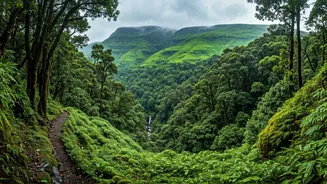
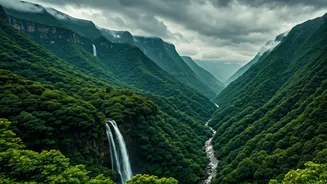
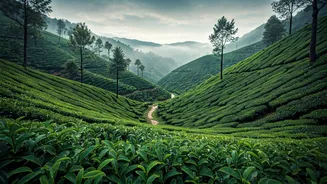
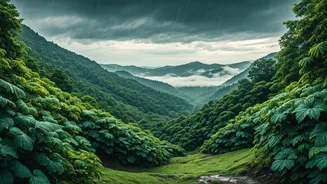
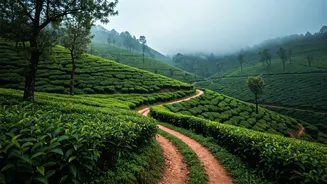
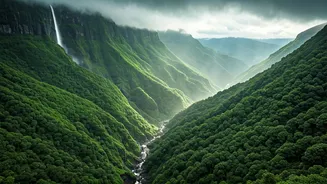
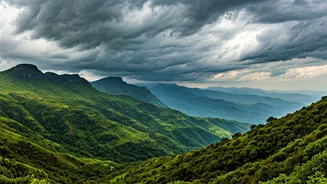
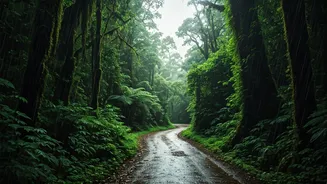
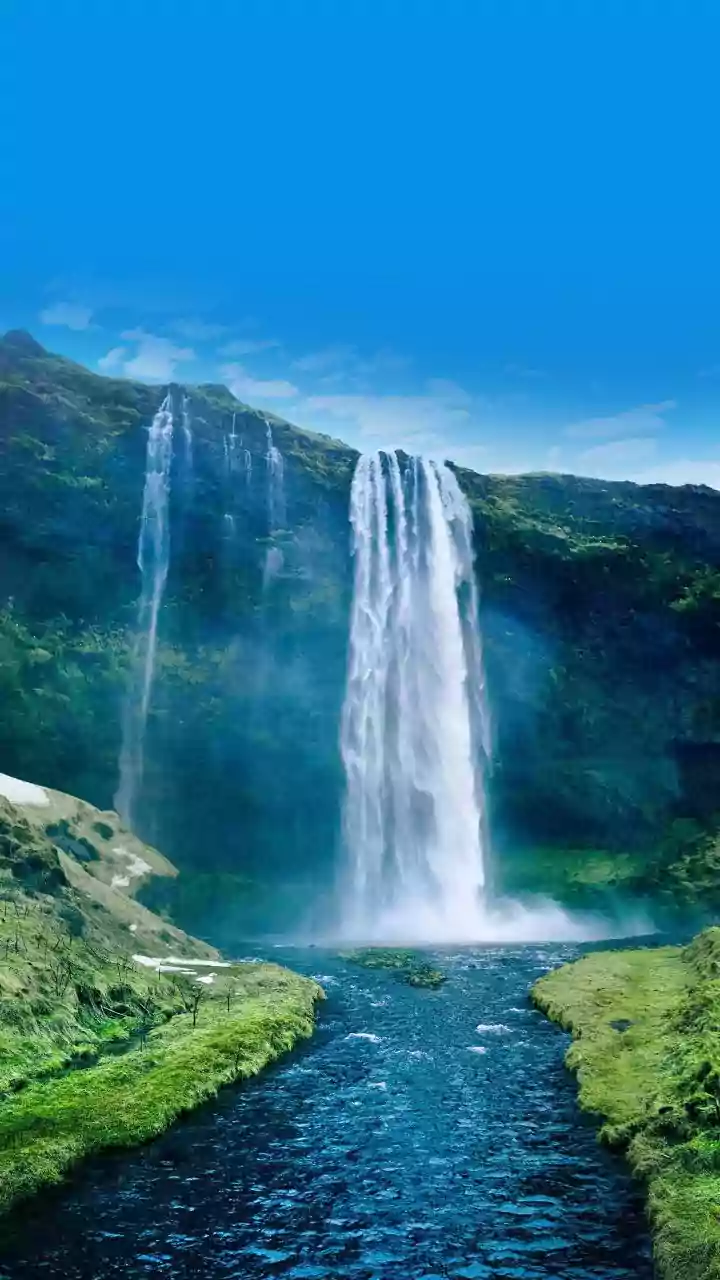
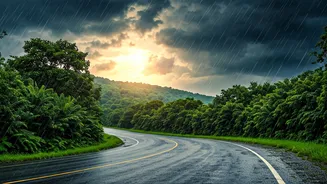
drizzle; it’s a full-sensory performance. The rain arrives in dramatic, soul-stirring sheets, turning the entire landscape into a living watercolor. Dusty greens explode into a thousand shades of emerald. Waterfalls that were mere trickles in the dry season become thundering cascades. The famous backwaters, a network of serene lagoons and canals, swell with life, their surfaces pockmarked by a million dancing raindrops. The air itself feels different—clean, heavy, and filled with the scent of wet earth and blooming flowers. For photographers, artists, or anyone seeking a more profound connection with nature, the drama is the entire point. It’s nature’s grandest theater, and you’ve got a front-row seat.
Navigating the Deluge
Of course, “dramatic” also applies to the logistics. A Keralan monsoon is not without its challenges, and travelers should go in with their eyes wide open. Heavy rains can lead to localized flooding, landslides in hilly areas like Munnar, and significant travel disruptions. That scenic train ride might be delayed, and some rural roads could become temporarily impassable. Beach lovers will be disappointed; the Arabian Sea is often too rough for swimming, and many beachfront shacks and businesses close for the season. Wildlife treks and high-altitude hiking are generally off-limits due to safety concerns and, frankly, leeches. Power cuts can be more frequent. This isn’t a trip for the rigidly scheduled or the easily frustrated. It requires flexibility, patience, and a willingness to embrace a slower, more unpredictable pace. The drama you see out the window is sometimes mirrored in your travel plans.
Off-Season Perks and Unique Culture
If you can handle the unpredictability, the rewards are substantial. The monsoon is Kerala's low season for international tourism, which means two wonderful things: fewer crowds and lower prices. Five-star resorts and boutique hotels that command premium rates in December can offer deep discounts, making a splash of luxury far more accessible. You’ll experience popular spots like the backwaters of Alleppey or the colonial streets of Fort Kochi with a serene, almost private atmosphere. Furthermore, the monsoon is considered the ideal time for Ayurveda, the ancient Indian system of medicine. According to traditional practitioners, the cool, moist, dust-free air opens the body’s pores, making it more receptive to therapeutic oils and treatments. Many visitors come specifically for wellness retreats during this time, turning the rainy weather into an essential part of a restorative journey.
Your Monsoon Travel Playbook
Success lies in preparation. First, pack smart: lightweight, quick-drying clothes are essential. Forget the denim. Include a reliable waterproof jacket, an umbrella, and waterproof bags or cases for your electronics. Sturdy, waterproof footwear with good grip is a non-negotiable. Second, plan your itinerary wisely. While the mountains can be risky, the backwaters are magical, and a stay on a traditional houseboat (a *kettuvallam*) is an iconic monsoon experience. Focus on cultural centers like Kochi and Trivandrum or wellness resorts. Third, build buffer days into your schedule. Don’t plan tight connections. Book flexible tickets where possible and confirm your travel 24 hours in advance. Finally, embrace the indoors. The rain often comes in intense bursts followed by periods of calm. Use the downpours to read a book, enjoy a long meal of spicy Keralan curry, or simply watch the storm from a covered veranda with a hot cup of chai. It’s an activity in itself.