




The End of the All-or-Nothing Era
For decades, the wellness industry sold a simple but brutal message: to be healthy, you must be disciplined. This gave rise to hyper-specific, rule-laden diets that demonized entire food groups. Think of the strict mandates of early Atkins, the purist
forms of Paleo, or juice cleanses that promised a total reset. The problem? They were built on a foundation of restriction that, for most people, is psychologically unsustainable. Experts in nutrition and psychology now widely recognize that this all-or-nothing approach often leads to a cycle of restriction, craving, binging, and guilt. When you inevitably “break” a rule—eating a slice of birthday cake on a no-sugar diet, for example—the entire plan can feel ruined, leading many to abandon their efforts altogether. This yo-yo effect isn't just demoralizing; it can be metabolically disruptive.
Why 'Good Enough' Is Better Than Perfect
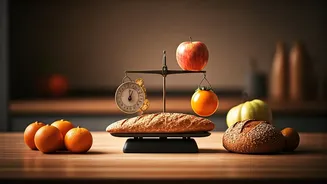
The emerging philosophy, and the one poised to define wellness in 2026, is centered on consistency over perfection. Rather than a rigid set of rules, it’s a flexible framework. This approach is supported by a growing body of evidence suggesting that chronic stress—including the stress of trying to eat “perfectly”—can negatively impact health through hormones like cortisol, affecting everything from sleep to weight storage. A balanced approach removes the moral weight from food. A cookie is no longer a “cheat” or a failure; it’s just a cookie. This mental shift is profound. By allowing for flexibility, you eliminate the primary trigger for bingeing and create a more peaceful relationship with food. The goal transitions from short-term weight loss to long-term well-being, encompassing energy levels, mental clarity, digestive health, and joyful movement.
What Balance Looks Like in Practice
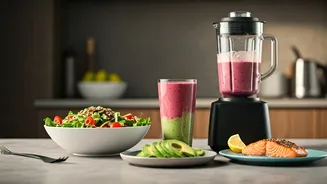
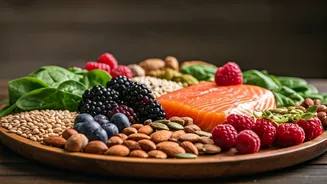
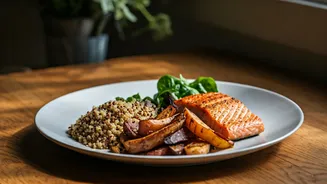
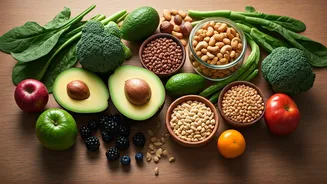
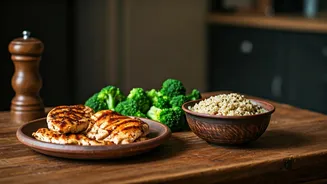
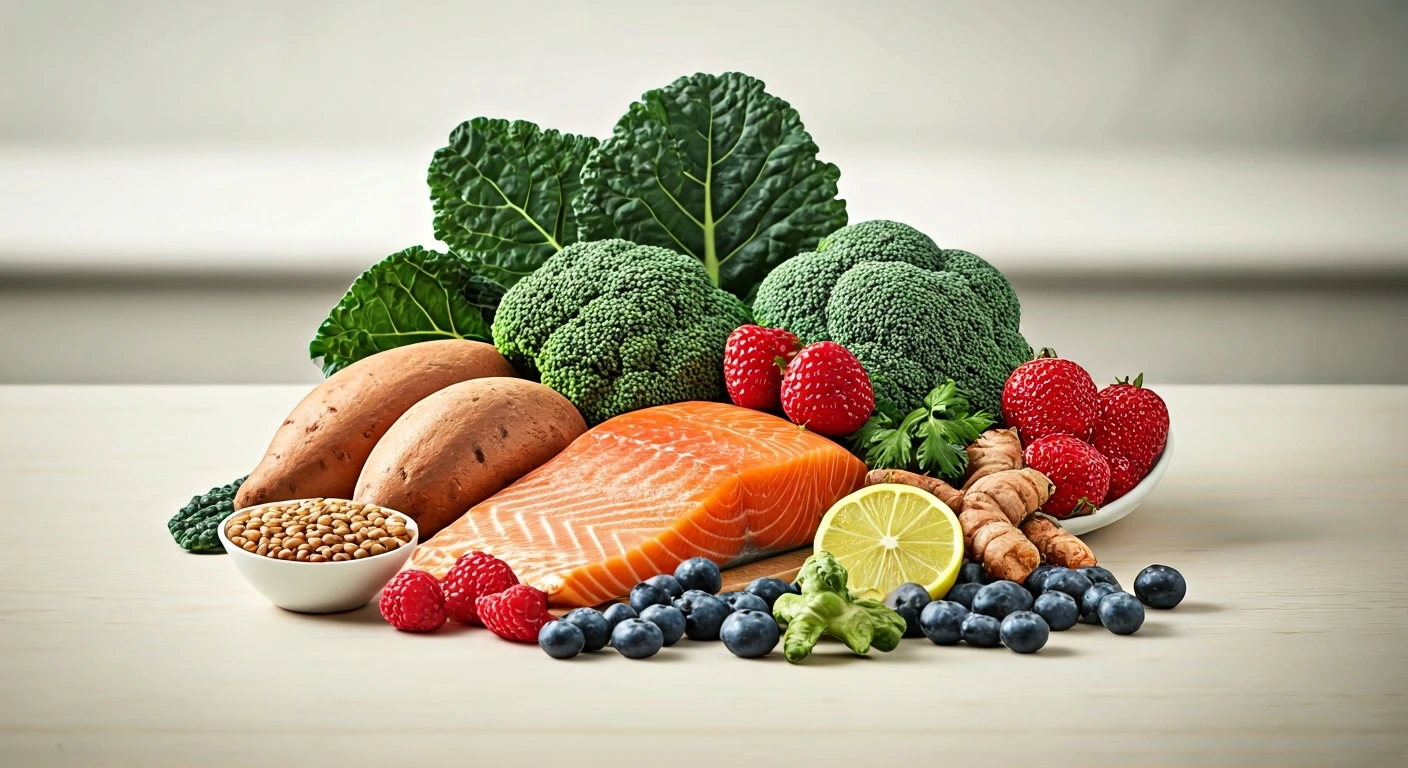
So, what does this balanced approach actually mean on a day-to-day basis? It's less of a diet and more of a mindset, but it often finds expression in principles like the “80/20 rule.” This popular guideline suggests focusing on nutrient-dense, whole foods about 80% of the time. This includes lean proteins, fruits, vegetables, and whole grains. The other 20% of the time is for flexibility—for the dinner out with friends, the holiday treat, or the glass of wine at the end of a long day, all without an ounce of guilt. Another cornerstone of this movement is “intuitive eating,” a practice that encourages you to listen to your body’s own hunger and fullness cues. It’s about ditching external rules (calorie counts, eating windows) and tuning into internal signals. It’s not a free-for-all; it’s a practice of self-trust and mindfulness, helping you discern between physical hunger and emotional eating.
The Trend Accelerating Toward 2026
This movement isn't just wishful thinking; it's a market reality. We see it in the explosion of wellness apps that focus on mindfulness and habit-tracking rather than calorie-shaming. We see it in the language used by registered dietitians, who are increasingly embracing an “anti-diet” or “weight-inclusive” stance. And we see it in grocery stores, where products are marketed for their nutritional benefits, not just their low-calorie counts. By 2026, this trend will likely be the default. Technology may shift to support it, with wearables offering insights on energy levels and stress rather than just steps. The conversation will have moved from “what you can’t eat” to “what can you add” to your plate to feel your best—a more sustainable, empowering, and ultimately healthier way to live.