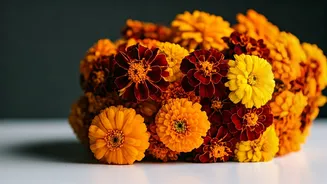










A River of Sacred Flowers
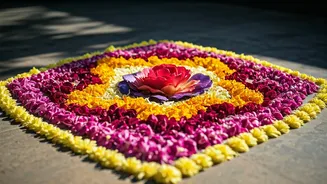
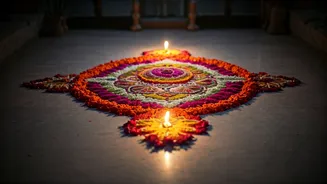
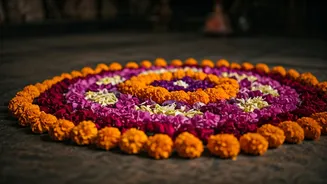
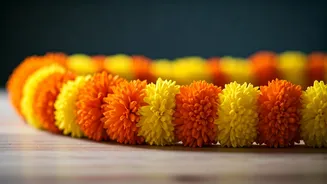
Walk past any major temple in India, and the scent of flowers is intoxicating. Heaps of brilliant orange and yellow marigolds, symbols of surrender to the divine, are presented as offerings by the faithful. An estimated 8 million tons of these sacred
flowers are offered annually in temples and mosques across the country. For centuries, the path for these blessed blossoms was a final journey into the nearest body of water, most notably the sacred Ganges River. Devotees believed this was the most respectful way to dispose of the blessed materials. But this act of devotion has had an unintended, devastating consequence. The flowers, often treated with pesticides and chemical fertilizers to keep them vibrant for market, leach these toxins directly into the waterways. As they decompose, they strip the water of oxygen, harming aquatic life and turning holy rivers into polluted dumping grounds. It’s a paradox where an act of faith contributes to an environmental crisis, a problem that seemed both immense and intractable—until a few young innovators saw not waste, but opportunity.
The Upcycling Revolution
Enter a wave of social entrepreneurs who asked a simple question: What if temple waste could have a second life? This question sparked a movement. Initiatives like Phool and HelpUsGreen began partnering with temples to collect the floral refuse before it could be discarded. Each morning, truckloads of flowers are gathered and transported to processing facilities, often staffed by women from marginalized communities who were previously unemployed. The process is a model of sustainable ingenuity. Workers meticulously sort the flowers, separating petals from stems and other debris. The petals are then washed and prepared for their transformation. While the headline highlights “gorgeous arrangements,” the reality is even more diverse and impactful. The highest-quality petals might be dried and preserved for use in vibrant, long-lasting bouquets or potpourri. But the real magic lies in the full-circle use of the material. A vast majority of the petals are sun-dried and hand-rolled into natural, charcoal-free incense sticks and cones. Others are processed to extract natural dyes for textiles, or even blended into biodegradable packaging and vegan leather, creating a material they call “fleather.”
People, Petals, and Purpose
This story isn’t just about environmentalism; it’s about profound social change. Many of the workers in these upcycling enterprises are “Dalit” women, who belong to a community that has historically faced severe discrimination and limited economic opportunities. For them, this work is more than a paycheck. It’s a source of dignity, safety, and empowerment. They are no longer just handling waste; they are artisans creating beautiful, valuable products that are sold internationally. These young, eco-conscious founders have created a business model where profit and purpose are intertwined. By providing steady employment, fair wages, and a respectful work environment, they are breaking cycles of poverty. The teams often receive health insurance and educational support for their children—benefits that are life-altering. The transformation is twofold: flowers are saved from the river, and lives are rebuilt on the factory floor. This human element is the heart of the revolution, turning an environmental solution into a powerful engine for social justice.
A Model for the World
What started in a few cities along the Ganges is now a concept spreading across India and gaining attention worldwide. It serves as a powerful blueprint for a circular economy—an economic system aimed at eliminating waste and promoting the continual use of resources. Instead of a linear “take-make-dispose” model, it’s a regenerative loop where sacred offerings are reborn as incense, art, and opportunity. The beauty of this solution is its cultural sensitivity. It doesn’t tell people to stop their religious practices. Instead, it honors the tradition by giving the sacred flowers a new, purposeful existence. It solves a modern problem using a framework of ancient respect. For American audiences accustomed to a more rigid separation of commerce, faith, and environmentalism, it’s a compelling look at how integrated solutions can be the most powerful of all.