




Why Millet is the Smart Choice
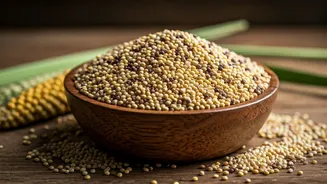
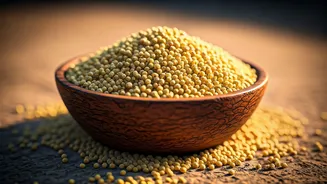
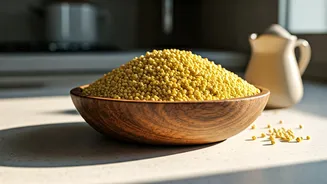
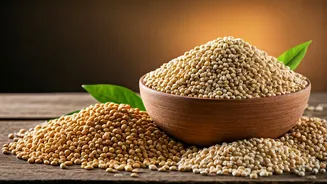
Before we dive into the seasons, let’s talk about why millet deserves a spot on your shelf. First, it’s a nutritional powerhouse: naturally gluten-free, packed with fiber, protein, and essential minerals like magnesium and phosphorus. But its real genius
lies in its sustainability. Millet is a famously resilient crop, thriving in arid conditions with minimal water, making it a far more eco-friendly choice than water-intensive grains. It has a short growing season, allowing for multiple harvests and contributing to food security.Then there’s its incredible culinary versatility. Depending on how you cook it, millet can be fluffy and light like quinoa, creamy and rich like polenta, or even crunchy when toasted or puffed. This chameleon-like quality makes it the perfect neutral canvas for the ever-changing palette of seasonal produce.
Spring: Light, Green, and Tender
As the world wakes up, our plates crave freshness. Spring is all about tender greens, delicate asparagus, sweet peas, and zesty herbs. Millet provides a wonderful, light base that doesn’t overpower these subtle flavors.Try cooking millet with a little extra water until it’s creamy, then fold in blanched asparagus tips, fresh peas, and a generous amount of mint and parsley for a vibrant risotto-style dish. Or, let a batch of fluffy millet cool and toss it with chopped radishes, baby arugula, feta, and a lemon-dill vinaigrette for a substantial and refreshing grain salad. Its mild, nutty flavor complements the bright, green notes of the season perfectly, offering a satisfying texture without feeling heavy.
Summer: Bright, Juicy, and Bold
Summer’s bounty is bold and sun-drenched: think ripe tomatoes, sweet corn, zucchini, and fragrant basil. Millet stands up to these strong flavors beautifully. For a simple and spectacular weeknight meal, create a millet bowl. Start with a bed of fluffy millet and top it with grilled zucchini, charred corn cut from the cob, cherry tomatoes, and a dollop of pesto.Another fantastic summer application is making millet cakes. Mix cooked millet with a beaten egg, some grated summer squash, and herbs, then pan-fry them until golden and crispy. Serve these savory patties with a fresh tomato salsa or a cooling yogurt dip. They’re a brilliant way to use up garden abundance and are equally delicious served warm or at room temperature for a picnic.
Autumn: Earthy, Roasted, and Hearty
When the air turns crisp, we turn to grounding, earthy flavors. Autumn is the season of roasted root vegetables, sweet winter squash, mushrooms, and hearty greens like kale. Millet’s ability to become creamy and comforting makes it an ideal partner for fall cooking.Simmer millet in vegetable or chicken broth with a sprig of thyme until it’s thick and porridge-like. Serve it as a base for roasted butternut squash, caramelized onions, and sautéed mushrooms for a dish that feels as cozy as a sweater. You can also use millet as a stuffing for roasted acorn squash or bell peppers, mixing it with sage, cranberries, and toasted pecans for a festive side dish that celebrates the harvest.
Winter: Warm, Rich, and Comforting
In the depths of winter, we crave meals that are deeply nourishing and warming. Millet delivers on all fronts. Its most classic winter form is a comforting breakfast porridge. Cook it with milk (or a non-dairy alternative), a cinnamon stick, and a pinch of cardamom. Top it with stewed apples, a drizzle of maple syrup, and a sprinkle of nuts for a breakfast that will warm you from the inside out.For a savory application, use millet in hearty soups and stews. Its small grains thicken broths beautifully, adding body and a satisfying chew. Add a scoop of uncooked millet to a vegetable or lentil soup in the last 20-25 minutes of cooking to make it a truly complete and sustaining one-pot meal, perfect for a cold winter’s night.