




The End of the Sugar-Crash Era
For decades, the standard American breakfast was a masterclass in refined carbohydrates. We were taught that a bowl of cereal or a piece of toast was the quickest way to get going. But many of us also learned about the inevitable 10 a.m. energy crash
that followed. That mid-morning slump, often accompanied by brain fog and a desperate craving for more sugar or caffeine, is the direct result of a breakfast that spikes your blood sugar and then lets it fall off a cliff. The move toward protein is a direct rebellion against this cycle. People are discovering that what you eat in the first hour of your day dictates your energy, mood, and hunger levels for the next eight.
The Simple Science of Feeling Full
So, why protein? It comes down to a few key biological advantages. First and foremost is satiety—the feeling of fullness. Protein is the most satiating of the three macronutrients (protein, fat, and carbs). Starting your day with a significant dose of it helps suppress ghrelin, the hormone that tells your brain you’re hungry, while boosting hormones that signal you're full. The result? You're far less likely to be reaching for snacks an hour after your meal. Furthermore, protein has a minimal impact on blood sugar, preventing the dramatic spikes and crashes caused by sugary carbs. This leads to more stable, sustained energy and better mental focus throughout the morning.
How Social Media Made Protein Go Viral
While the nutritional science isn't new, the trend's explosion can be largely credited to social media. Platforms like TikTok and Instagram have become virtual test kitchens for high-protein breakfast innovation. Viral recipes for things like savory cottage cheese toast, blended cottage cheese “ice cream,” and protein-packed “proats” (protein oatmeal) have made these foods feel exciting and accessible, not like a restrictive diet. Wellness influencers and registered dietitians have flooded feeds with visually appealing, easy-to-make meals, dismantling the idea that a protein-rich breakfast has to be a boring plate of scrambled egg whites. It’s a cultural shift driven by shared, user-generated inspiration.
Easy Ways to Join the Movement
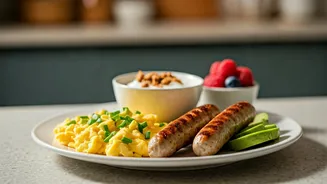
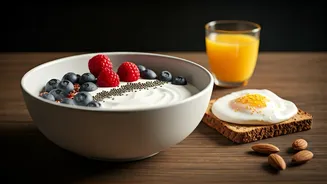
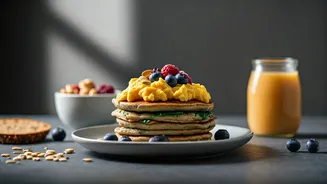
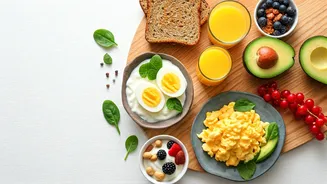
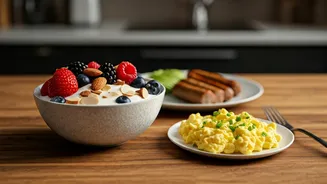
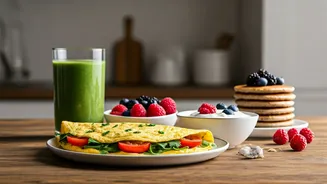
Making the switch doesn't require a personal chef or a complicated meal plan. It’s about smart swaps and simple additions. **1. Upgrade Your Yogurt:** Ditch the sugary, fruit-on-the-bottom stuff. A cup of plain Greek yogurt or Icelandic skyr can pack 15-20 grams of protein. Top it with berries for fiber and a small handful of nuts for healthy fats and crunch. **2. Embrace the Egg in All Forms:** Eggs are the undisputed champion of breakfast protein. You can scramble them, fry them, or hard-boil a batch at the start of the week for a quick grab-and-go option. Two large eggs provide about 12-14 grams of high-quality protein. **3. Give Cottage Cheese Another Chance:** It’s back, and it’s better than ever. A single serving of cottage cheese can contain over 20 grams of protein. Spread it on whole-grain toast and top with everything bagel seasoning, sliced tomatoes, or a drizzle of hot honey. **4. Supercharge Your Smoothie:** If you prefer a liquid breakfast, make it count. Instead of just fruit and juice, build your smoothie around a protein source like a scoop of protein powder (whey, casein, or plant-based), Greek yogurt, or even silken tofu for a creamy, plant-based boost.