




A City That Breathes
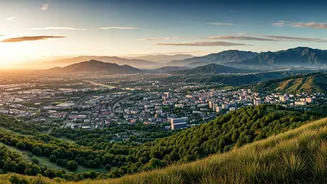
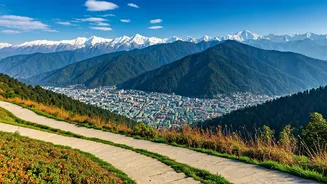
Your first impression of Gangtok, the capital of India's northeastern state of Sikkim, isn't the scale of the mountains, but the quality of the air. This is a city that feels different. For Americans accustomed to the beautiful chaos of many Asian cities,
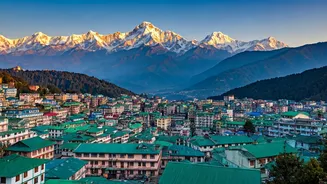
Gangtok is a startling and welcome surprise. Its downtown hub, MG Marg, is a pedestrian-only boulevard lined with benches, flower pots, and shops—but free of cars, litter, and blaring horns. It's a place designed for strolling, for sitting with a cup of tea, and for simply being present. This commitment to cleanliness isn't just for show; Sikkim was one of India's first states to ban plastic bags and disposable water bottles, a policy that has shaped a culture of environmental respect you can feel on every clean-swept street.
Views That Ground You
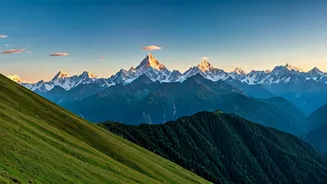
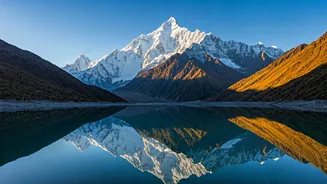
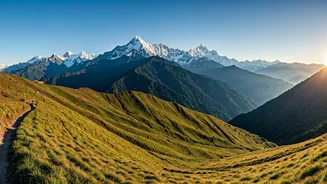
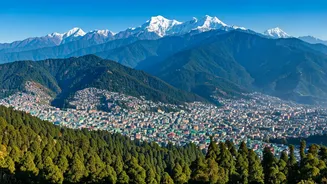
The “soft magic” of Gangtok is that nature is never an afterthought; it’s the main event, framed by the city itself. On a clear morning, the horizon is dominated by the colossal, snow-covered peaks of Kanchenjunga, the third-highest mountain on Earth. This isn’t a view you have to hike for days to earn. It’s right there, visible from hotel balconies, roadside viewpoints like Tashi View Point, and even from the city’s cable car. The sight is both humbling and deeply calming. Unlike the goal-oriented vibe of summiting a peak, here the mountain is a constant, serene presence. It serves as a powerful reminder of your place in the world, encouraging a slower, more contemplative pace.
The Monastery Trail
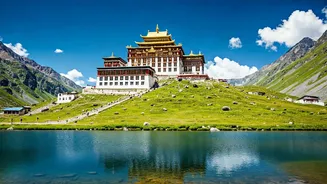
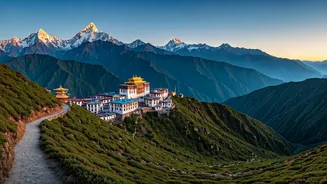
The soul of Sikkim is deeply rooted in Tibetan Buddhism, and Gangtok is the perfect base for exploring its spiritual landscape. A short drive from the city center brings you to Rumtek Monastery, a vast and vibrant complex that serves as a major center for the Karma Kagyu lineage of Buddhism. As you walk through its courtyards, the sounds of chanting monks, the smell of incense, and the sight of colorful thangka paintings create a powerful sensory experience. For something closer, the Enchey Monastery, perched on a ridge above the city, offers a more intimate setting. The fluttering of prayer flags in the mountain wind and the quiet dignity of the lamas feel worlds away from the bustle of modern life, offering a dose of the 'magic' the region is known for.
Lakes, Legends, and Rhododendrons
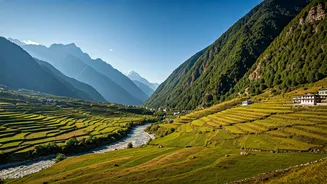
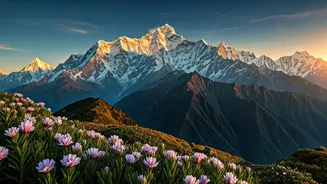
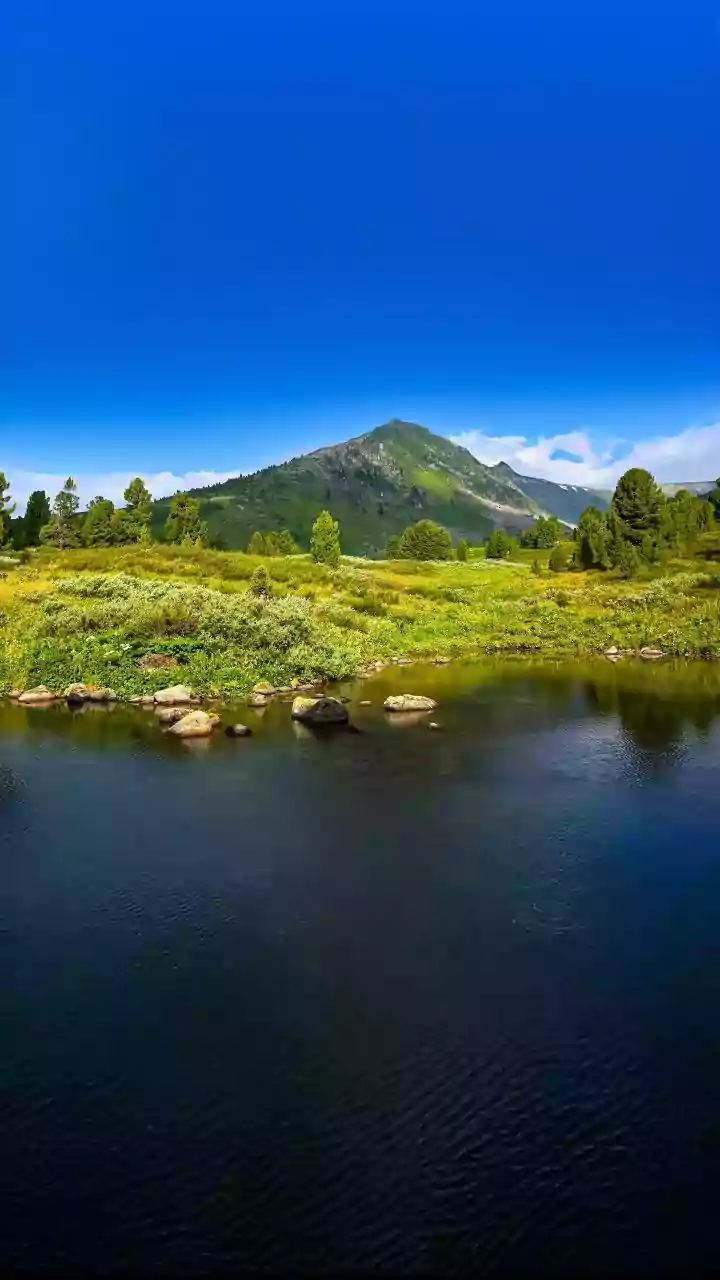
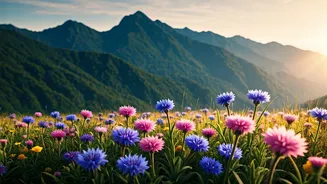
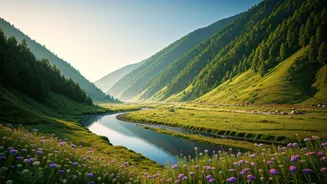
Beyond the city limits, Gangtok provides easy access to some of the Himalayas' most beautiful and accessible natural wonders. The most famous day trip is to Tsomgo Lake (also known as Changu Lake), a glacial lake situated at an altitude of 12,400 feet. The journey itself is an adventure, with winding roads offering ever-changing vistas. In the spring, the hillsides are ablaze with blooming rhododendrons. The lake itself, considered sacred by locals, is a stunning sheet of emerald-blue water surrounded by stark, snow-dusted mountains. You can ride a colorfully decorated yak along its shores or simply absorb the profound silence of the high-altitude landscape. It’s a powerful dose of nature that doesn’t require a multi-day expedition.
A Taste of the Himalayas
The culture of Gangtok is best experienced through its food, a hearty and flavorful blend of Tibetan, Nepali, and local Sikkimese influences. You can’t leave without trying momos, the region’s ubiquitous steamed dumplings, often filled with pork, beef, or vegetables and served with a fiery chili sauce. Wander into any small eatery and order a bowl of thukpa, a warming noodle soup that’s perfect for a cool mountain evening. For the more adventurous, there's sisnu, a savory nettle soup, or gundruk, a fermented leafy green that adds a tangy punch to meals. It's food that’s simple, soulful, and perfectly suited to the mountain environment.