



The Tyranny of the Optimized Childhood
There’s a pervasive anxiety haunting modern American parenting. It’s the fear that if your child isn’t learning to code by age eight, mastering Mandarin by ten, and building a portfolio of extracurriculars for a college application by twelve, they’re
falling behind. This has given rise to the era of “productive fun”—a landscape of activities designed not for pure joy, but for quantifiable skill-building and resume padding. From travel soccer leagues that demand year-round commitment to STEM camps with rigorous project deadlines, childhood has been professionalized. The cost of this optimization is becoming clear. Psychologists and educators warn of rising rates of anxiety and burnout in children who lack unstructured downtime. When every moment is scheduled and every activity is goal-oriented, kids lose the space to develop one of the most crucial skills of all: figuring out what they actually like. They learn to perform for extrinsic rewards—a trophy, a grade, parental approval—rather than developing the intrinsic motivation that fuels lifelong learning and genuine passion.
The Library’s Quiet Rebellion
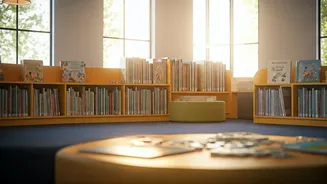
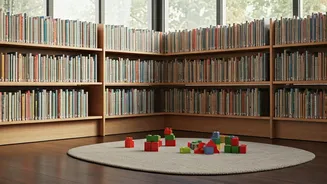
Enter the public library. Often perceived as a quiet, slightly dusty relic, it is staging a quiet but powerful rebellion against the culture of forced productivity. The library’s core philosophy runs directly counter to the over-scheduled childhood. Its foundational premise is trust—trust in the curiosity of the individual. No one enters a library and is handed a mandatory reading list or a schedule of required activities. You are invited to wander. This isn't a passive act; it's a profound statement about learning and development. The library offers a wealth of resources without demanding a specific outcome. A child can walk in intending to find a book on dinosaurs, get distracted by a display about robotics, and spend an hour tinkering with a LEGO set someone else left on a table. This meandering path isn’t a waste of time; it’s the very essence of self-directed discovery. It’s a space that says, “Your interests are valid, and you are capable of pursuing them on your own terms.”
More Than Just Bookshelves
Today’s libraries are far more than repositories for books. They have evolved into dynamic community hubs precisely because they understand this need for unstructured engagement. Walk into a modern branch and you’re likely to find a “maker space” with 3D printers and sewing machines, available for anyone to experiment with. You might see a group of teens who met organically now running a weekly Dungeons & Dragons campaign in a study room. Many libraries host video game consoles, not as a time-wasting distraction, but as a social gathering point. They offer coding clubs where the goal is simply to mess around with Scratch, not to build the next killer app. They have craft tables with a jumble of supplies but no pre-set project, inviting kids to create whatever their imagination conjures. This is the opposite of a $500-a-week camp with a structured curriculum. It’s a low-stakes, high-freedom environment that costs nothing to enter.
The Freedom to Be a Beginner
Perhaps the library’s greatest gift to the over-programmed child is the freedom to be a beginner, to be clumsy, to fail without consequence. In a competitive sports league, a mistake can cost the team a game. In a coding bootcamp, falling behind the curriculum can feel like a personal failure. In the library, there is no such pressure. You can check out a book on learning guitar and return it a week later having only learned two chords. No one will know. You can try to 3D-print a figurine that comes out a misshapen blob. You can simply try again. This fosters resilience and a healthy relationship with learning. It teaches kids that the process is as important as the product. By providing a safe space for exploration without judgment or a price tag, the library cultivates the kind of curiosity and confidence that “productive fun” often inadvertently extinguishes.