




A World Apart
For decades, Spiti was the stuff of legend for only the most hardened travelers. A high-altitude cold desert tucked away in the Indian state of Himachal Pradesh, it’s a geological and cultural island pressed against the Tibetan border. To get there requires
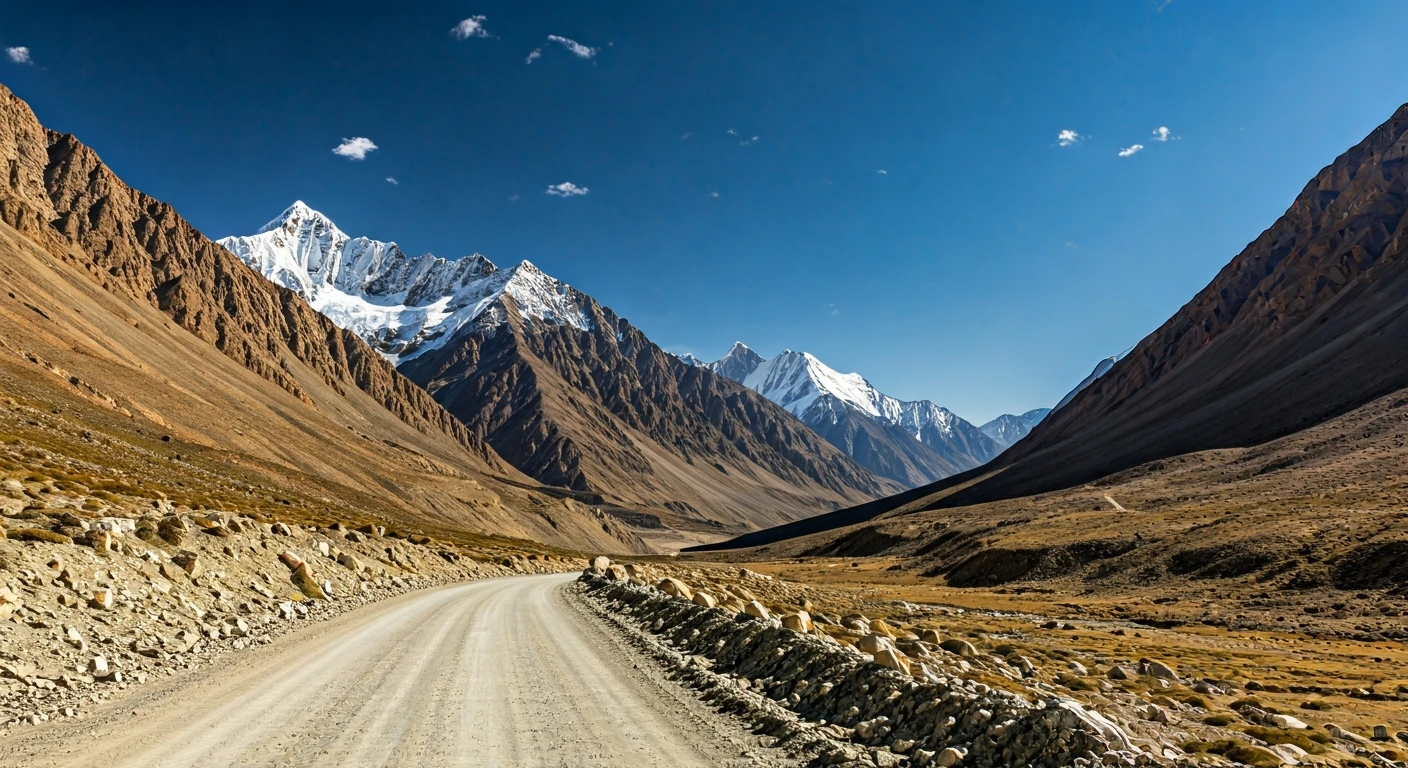
navigating some of the world’s most treacherous roads, which are snowed-in for more than half the year. The reward has always been access to a place that feels untouched by time. The landscape is a brutalist masterpiece of gray and brown rock, carved by wind and ice into lunar-like formations. Splashes of green appear only near the glacial rivers, and villages look like organic extensions of the mountains themselves. This is a predominantly Buddhist region, where life revolves around thousand-year-old monasteries like Key and Tabo. The appeal isn’t just the scenery; it's the profound sense of isolation and tranquility. It’s the “wild calm” promised in its name, a quiet so deep it feels like you can finally hear yourself think.
The Instagram Effect and the Open Road
That quiet is now being punctuated. The same remoteness that preserved Spiti is now its primary marketing tool. Thanks to social media, images of its stark beauty have gone viral, creating a bucket-list destination for a new generation of adventurers. Improved infrastructure, while still challenging, has made the journey more accessible. The legendary road from Manali to Kaza, once a multi-day ordeal reserved for gritty overlanders, is now a rite of passage for legions of motorcyclists on rented Royal Enfields. Influencers pose at iconic spots like the Chicham Bridge, Asia’s highest, and the world’s highest post office in Hikkim. What was once a pilgrimage for a few has become a mainstream adventure challenge. This new wave of tourism is different. It’s often faster, more focused on hitting photogenic checkpoints than on slow immersion. The result is a growing paradox: people are rushing to Spiti in search of the very peace their presence threatens.
The Strain on a Fragile Ecosystem
Spiti’s ecosystem is not built for crowds. As a cold desert, it has extremely limited resources. Water is scarce, sourced from glacial melt. The short growing season means food supplies are precious. The sudden influx of summer tourists places an immense strain on these resources. The main town of Kaza, a once-sleepy outpost, now bustles with guesthouses, cafes, and tour operators. The increased traffic creates traffic jams on narrow mountain roads and raises concerns about waste management in a place with no capacity for landfills. Unregulated camping and off-roading can damage the fragile alpine pastures that local communities depend on for grazing their livestock. There's a cultural strain, too. While Spitians are known for their warmth and hospitality, the transactional nature of mass tourism can erode the authentic, personal connections that defined travel here for so long. The “wild calm” is not just about silence; it's about a way of life, and that way of life is under pressure.
The Search for a Middle Path
The good news is that the alarm bells are ringing. There is a growing conversation within Spiti and among responsible travelers about how to manage this boom. The local administration has started to implement rules around waste and traffic, but enforcement is a challenge. The most promising solution appears to be a grassroots one. The tradition of homestays, long a part of Spitian culture, offers a more sustainable model. Staying with a local family provides travelers with authentic cultural immersion while ensuring that tourist dollars go directly into the community, bypassing the large-scale hotel developments that would scar the landscape. Eco-conscious tour operators are emphasizing “leave no trace” principles, educating their clients on local customs, and promoting slower, more intentional travel. The future of Spiti's wild calm may depend less on keeping people out and more on changing how they visit—encouraging travelers to see themselves not as conquerors of a landscape, but as respectful guests in someone's home.