




The Rebellion Against Fast Furniture
Think of it as the antithesis of the flat-pack world. For years, globalization brought a uniform aesthetic to urban Indian homes—the same particle-board coffee tables and polyester cushions you could find in Stockholm or St. Louis. While convenient, this
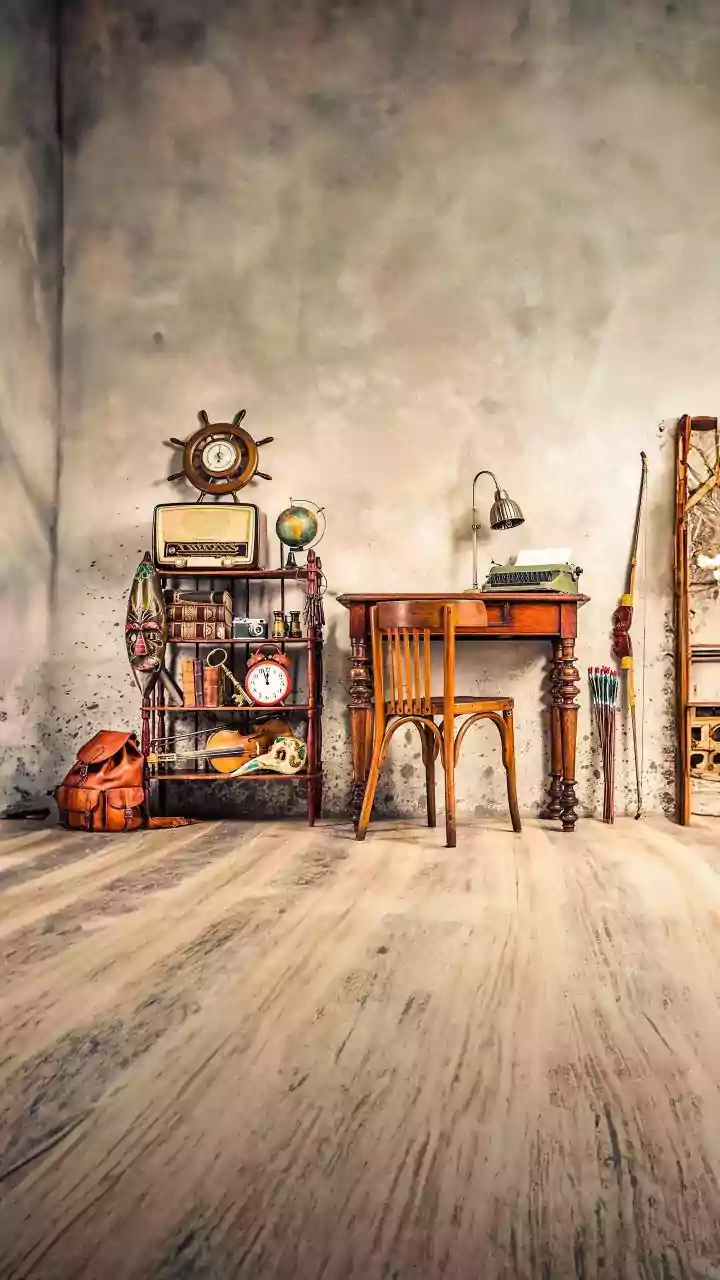
wave of mass-produced “fast furniture” began to feel impersonal and disconnected from its surroundings. Now, a significant cultural shift is taking place. Urban millennials and Gen Z, armed with disposable income and a strong point of view, are leading a return to traditional Indian craftsmanship. They are consciously choosing to fill their homes not with generic objects, but with pieces that have a story, a history, and a soul. This isn't about creating a museum of artifacts; it's about integrating heritage into a contemporary lifestyle.
Sustainability as a Statement
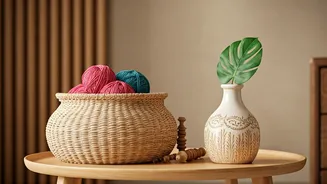
This movement is deeply intertwined with the global conversation around sustainability. For many young Indians, choosing a hand-carved wooden stool or a block-printed tablecloth over a factory-made alternative is an ethical and environmental statement. These traditional crafts often use natural, locally sourced materials—think terracotta clay, bamboo, cane, and organic cottons colored with vegetable dyes. Supporting them means supporting a smaller carbon footprint and rejecting the throwaway culture that defines fast consumerism. It's a vote for durability and timelessness. Furthermore, it directly empowers local artisan communities, many of which have struggled to compete with industrial manufacturing. By purchasing these goods, consumers are helping preserve not just an object, but a livelihood and a generational skill that might otherwise disappear.
From Tourist Trinkets to Design Centerpieces
A key part of this revival is a dramatic rebranding of the crafts themselves. What might have once been dismissed as a rustic souvenir is now being celebrated as a sophisticated design element. Designers and boutique brands are acting as curators, collaborating with artisans to create modern applications for ancient techniques. For example, the intricate hand-painted textile art of *Kalamkari* from Andhra Pradesh is no longer just for wall hangings; it’s appearing on chic upholstery and contemporary lampshades. The geometric perfection of Rajasthani block prints is finding its way onto modern bedding and minimalist curtains. Even simple terracotta, once used primarily for water pots, is being sculpted into sleek, contemporary planters and light fixtures. Social media, particularly Instagram, has played a pivotal role, allowing designers and artisans to bypass traditional gatekeepers and showcase their work directly to a style-conscious audience.
Forging a Modern Indian Identity
Ultimately, this trend is about more than just home decor; it's about identity. For a generation that grew up in a globalized world, saturated with Western media and aesthetics, embracing indigenous crafts is a way to connect with their own heritage on their own terms. It’s a move away from simply aspiring to a Western model of modernity and toward defining a uniquely Indian version of it. Filling a home with these objects is a quiet declaration of cultural confidence. It says that tradition and modernity are not mutually exclusive, but can coexist beautifully. Each hand-woven rug or piece of blue pottery becomes a personal link to a vast and diverse cultural history, making a home not just a place to live, but a reflection of a complex and evolving identity.