




So, What's the Big Deal?
We’re talking about figs. Yes, figs. For a few precious weeks in early summer and again in the late-summer-to-early-fall window, this ancient fruit graduates from a dried, packaged good to a fresh, jammy, and almost shockingly decadent treat. A perfect
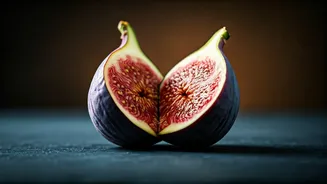
fresh fig is a study in contrasts: a soft, velvety exterior gives way to a dense, seed-speckled interior that’s somehow both sugary sweet and deeply earthy. It doesn’t have the straightforward, bright acidity of a berry or the crisp, watery refreshment of a melon. Instead, a fig tastes like history. It tastes like sunshine, honey, and a hint of something wild and complex you can’t quite put your finger on. It’s the sophisticated, mysterious older sibling in the summer fruit family, and its arrival signals the peak of the season.
Welcome to the 'Fig Discourse'
The phrase “back in the chat” is more literal than you might think. Each year, as the first Brown Turkeys, Black Missions, and Kadotas appear at farmers markets, a familiar cycle begins on social media. It’s what insiders lovingly call the “fig discourse.” Your feed is suddenly flooded. You’ll see artfully composed photos of figs sliced open, glistening like jewels. You’ll see them draped over burrata, nestled on charcuterie boards, or simply held up to the sunlight, their delicate skin glowing. The discourse is a mix of pure adoration from those lucky enough to have a haul, and palpable envy from those whose local season hasn’t started yet or who live in a fig desert. It’s a collective, digital gasp celebrating a simple, seasonal pleasure, turning a humble fruit into a temporary online status symbol.
A Fruit With Ancient Street Cred
Part of the fig’s mystique comes from its incredibly deep roots. Botanists believe figs were one of the very first fruits cultivated by humans, predating even wheat and barley. They’re referenced in ancient religious texts, were revered by the Greeks and Romans, and were a staple of ancient diets. In the United States, their story is tied to the Spanish missionaries who planted fig trees along the California coast in the late 18th century. That’s why some of the most famous varieties, like the dark and rich Mission fig, carry their history in their name. Eating a fresh fig isn’t just enjoying a piece of fruit; it’s participating in a culinary tradition that stretches back thousands of years. It’s a connection to the past that you can hold in your hand, a flavor profile that has captivated humanity for millennia.
The Agony and Ecstasy of a Short Season
Why all the fuss? Because you can’t get a good fresh fig just anywhere, at any time. Figs are the poster child for the eat-local, eat-seasonal movement. They are notoriously delicate. They don’t ripen after being picked, and a perfectly ripe fig has a shelf life of, at best, a couple of days. They don’t travel well, which is why the ones you find in a major supermarket, shipped from hundreds of miles away, are often a pale, flavorless imitation of the real thing. This scarcity is a key part of their allure. It creates an urgency, a treasure-hunt mentality. Finding truly great figs feels like a victory. It forces you to be present, to enjoy them now before they’re gone. This fleeting nature makes them feel more valuable than a fruit that’s available 365 days a year.
More Than Just a Newton Filling
For generations of Americans, the fig was primarily known as the jammy filling of a square, cakey cookie. But today, the fresh fig has reclaimed its throne in the culinary world. It’s the undisputed star of the modern cheese board, a perfect partner for salty prosciutto, tangy goat cheese, and creamy blues. It elevates a simple piece of toast with ricotta and a drizzle of honey into something restaurant-worthy. Chefs use them to add a touch of complex sweetness to savory salads with arugula and balsamic glaze, or even grill them to serve alongside pork or duck. They’re muddled into craft cocktails and baked into elegant tarts. The fig’s versatility is its modern superpower, proving it's far more than just a historical artifact or a lunchbox snack.