
What Are Soil-Free Plants?
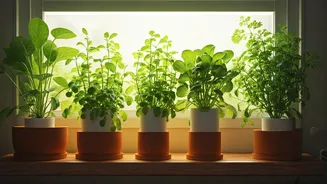
The term “soil-free” isn’t a single technique but an umbrella for several methods of growing plants without traditional potting mix. Instead of soil, plants get their nutrients from water and their support from alternative materials. The most common approaches
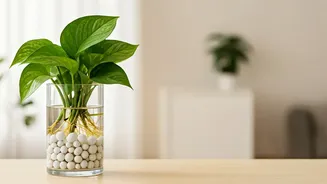
for home growers are hydroponics (growing in nutrient-rich water), semi-hydroponics (using an inert medium like clay pebbles), and aeroponics (letting roots hang in the air, common with air plants). For home decor, this switch is revolutionary. It transforms plants from a potentially messy hobby into a clean, architectural element, allowing you to place greenery in spots where you’d never risk a pot of dirt.
The Low-Mess, Low-Pest Advantage
The most immediate 'win' is the elimination of dirt-related chores. There’s no soil to spill during repotting, no muddy runoff after watering, and no gritty residue on your windowsills. But the benefits go deeper. Many common houseplant pests, most notoriously the persistent fungus gnat, live and breed in the top layer of moist soil. By removing their habitat, you eliminate the problem at its source. This means fewer unwelcome flying guests in your home and no need for sticky traps or soil treatments. Furthermore, a soil-free environment can be better for allergy sufferers who are sensitive to mold or fungi that can sometimes develop in potting soil.
Get Started with Semi-Hydroponics
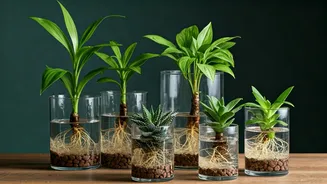
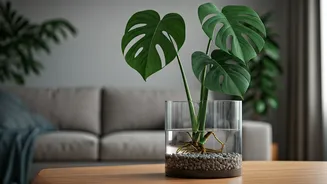
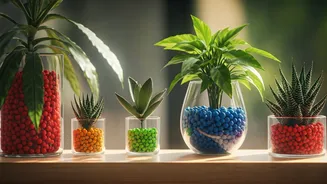
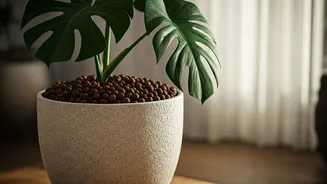
For those dipping a toe into soil-free living, semi-hydroponics is the most popular and forgiving entry point. This method typically uses Lightweight Expanded Clay Aggregate, or LECA—small, round, baked clay pebbles. These porous balls don't provide nutrients, but they wick water up from a reservoir at the bottom of the pot, delivering consistent moisture to the plant's roots without suffocating them. This brilliant system dramatically reduces the risk of overwatering, a common killer of houseplants. To convert a plant, you simply clean the soil from its roots, place it in a pot with LECA, and add water to the reservoir. It’s a clean, modern look that puts the focus on the plant itself.
The Simple Elegance of Water Culture
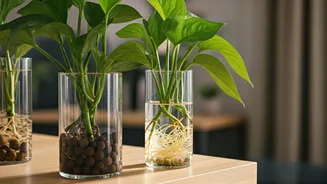
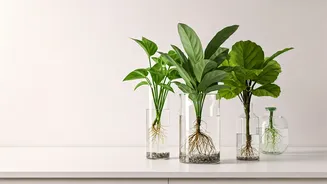
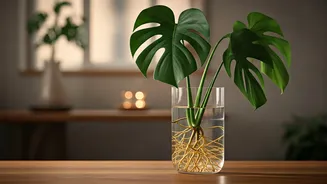
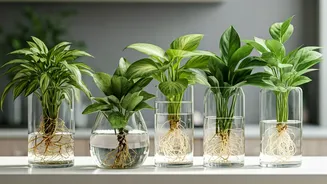
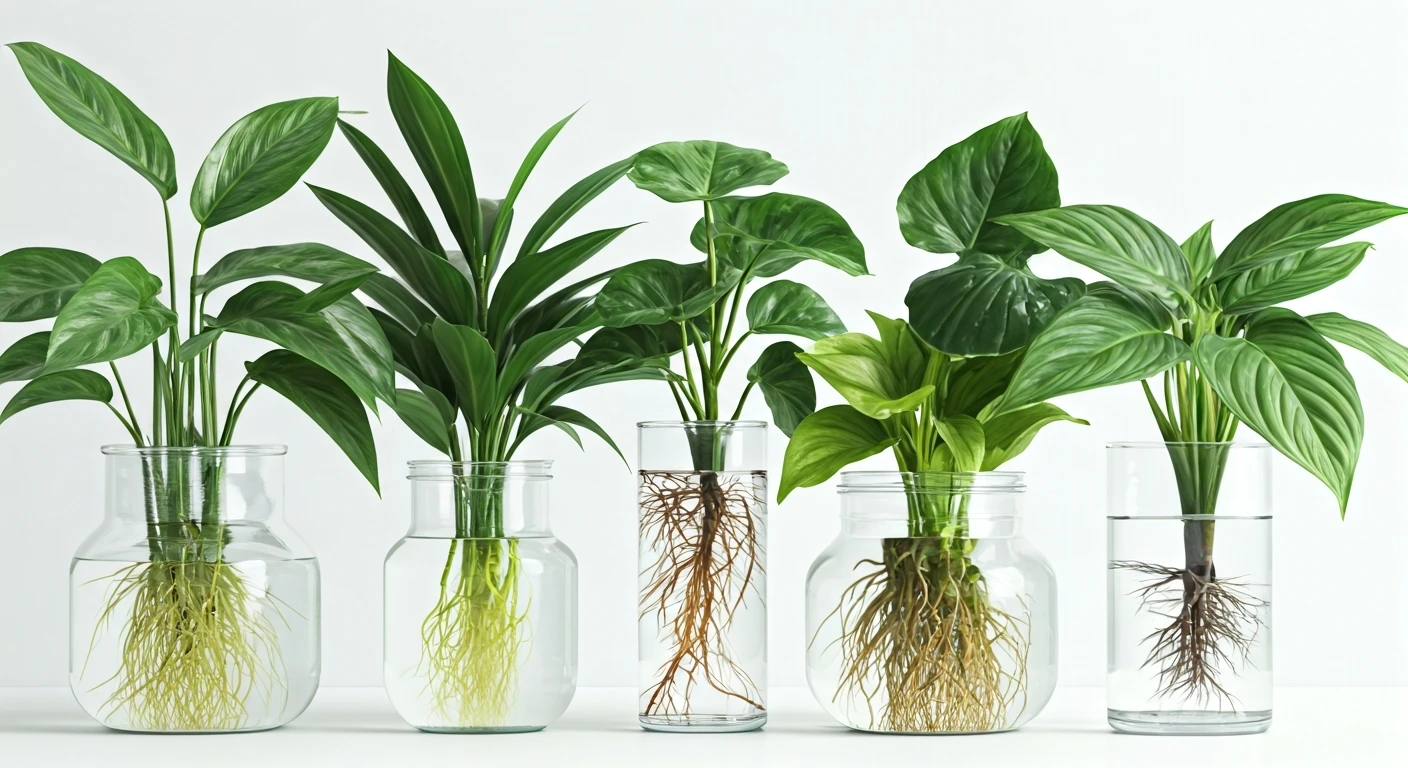
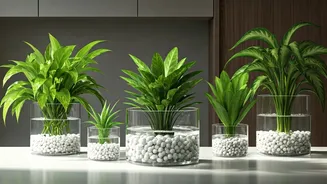
Perhaps the purest form of soil-free growing is hydroculture—keeping plants directly in water. You've likely done this already without realizing it when propagating cuttings from a pothos or philodendron. Many vining plants are perfectly happy to live their entire lives in a beautiful vase of water. The key is to change the water weekly to replenish oxygen and prevent algae growth. Adding a few drops of a liquid hydroponic nutrient solution every few weeks will give the plant the food it needs to thrive. This method is not only effortless but also creates a stunning visual, showcasing the intricate beauty of the root system as part of the decor.
Don't Forget Magical Air Plants
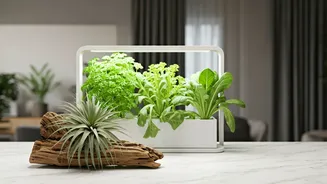
The ultimate low-mess champions are air plants (Tillandsia). These fascinating epiphytes require no growing medium whatsoever. In their native habitats, they cling to trees and rocks, absorbing all the moisture and nutrients they need from the air through special scales on their leaves. At home, they can be placed in terrariums, mounted on driftwood, or arranged in a decorative bowl. Their care is simple: bright, indirect light and a weekly soak in water for about 20-30 minutes, followed by a good shake to ensure they dry completely to prevent rot. They are living sculptures, offering endless creative possibilities for any room.
Easy Plants to Start Your Journey
Ready to try? Some plants transition to soil-free life more easily than others. For LECA and water culture, you can’t go wrong with Pothos, Philodendron, Snake Plants, and ZZ Plants; they are famously resilient and have sturdy root systems. Many Orchids, particularly Phalaenopsis, also thrive in LECA, as it mimics the airy environment of their natural tree-bark habitat. When converting a plant from soil, be patient. It may take a few weeks for it to adapt and grow new 'water roots,' but the long-term payoff in cleanliness and plant health is well worth it.