





The Old Travel Playbook Is Obsolete
For decades, the rules of travel were straightforward. Summer in Europe was expensive, the Caribbean in September was cheap (but risky), and ski resorts had a clearly defined season. Travelers operated within a predictable system of peak, shoulder, and off-seasons.
You could plan a year in advance, confident that July in Italy would be hot and crowded, and January in Colorado would be cold and snowy. That calendar is being torn up. The traditional playbook offered a comforting illusion of control, but its core assumptions—stable seasons, predictable demand—are crumbling under the combined weight of technology and climate volatility. The simple act of deciding when to take a vacation has transformed from a calendar-based choice into a high-stakes strategic game.
Partner #1: The All-Seeing Pricing Algorithm
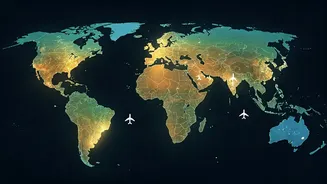
The first half of this power couple is dynamic pricing. It’s the reason the price of a flight can change three times while you’re trying to book it. Airlines and hotels no longer set prices based on simple seasonal charts. Instead, they use sophisticated algorithms that analyze a torrent of real-time data: competitor pricing, historical booking patterns, local events, and, crucially, demand signals. Think of these algorithms as hyper-responsive digital merchants, constantly adjusting prices to maximize profit for every single seat or room. If a flight to Miami is suddenly trending on TikTok, the price goes up. If a competing airline launches a sale, the price might dip for a few hours to compete. This system is designed to be opaque and immediate, reacting to consumer behavior faster than any human could.
Partner #2: The Unpredictable Climate
The other half of the duo is our increasingly chaotic weather. Climate change isn't just a far-off environmental issue; it's a direct threat to your vacation plans. Record-breaking heatwaves are making a summer trip to southern Europe feel less like a charming getaway and more like a survival challenge. Wildfire smoke chokes the air in idyllic North American national parks, turning scenic vistas into a hazy blur. Hurricane seasons are becoming more intense and their paths less predictable, making autumn getaways a gamble. This new reality rewrites the definition of a “desirable” destination and season. The scorching 110-degree heat that blanketed Phoenix and Athens isn’t just uncomfortable; it’s dangerous, shutting down outdoor activities and forcing travelers indoors. The allure of a destination was once its attractions; now, its climate resilience is just as important.
How The Power Couple Works Together
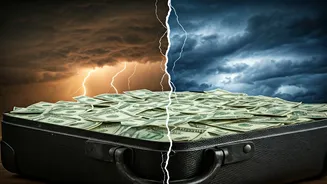
Here’s where it gets interesting. When these two forces combine, they create a volatile and powerful feedback loop. A forecast for a week of extreme heat in Spain can trigger a wave of cancellations. Sensing the drop in demand, pricing algorithms may slash last-minute fares to fill empty hotel rooms and plane seats. The savvy (and heat-tolerant) traveler might snag a bargain. Conversely, as travelers seek to escape the heat, destinations once considered off-season are becoming the new prime time. Northern destinations like Ireland, Scandinavia, and the cooler regions of the U.S. are seeing a surge in summer interest. The algorithms notice this shift in search traffic and demand, and prices for these new “climate havens” begin to climb. Your 'secret' cool vacation spot is suddenly as expensive as Rome in July used to be. The weather creates a problem or an opportunity, and the algorithm instantly monetizes it.
How to Navigate This New Reality
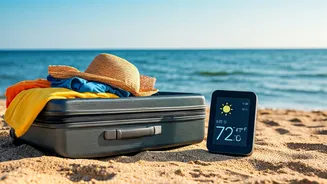
So, how do you plan a trip without losing your mind or your savings? First, flexibility is your new best friend. Being able to shift your dates by a few days—or your destination entirely—can help you dodge the worst of the price hikes and heat waves. Second, embrace the new shoulder seasons. For many traditionally hot destinations, late spring and early fall now offer the best combination of pleasant weather and reasonable prices. Third, become a meticulous researcher. Use tools like Google Flights and Kayak to track prices, but also pay close attention to historical weather data and seasonal climate forecasts. Finally, never travel without robust travel insurance that explicitly covers weather-related disruptions and cancellations.