




The Rhythm of the Jungle
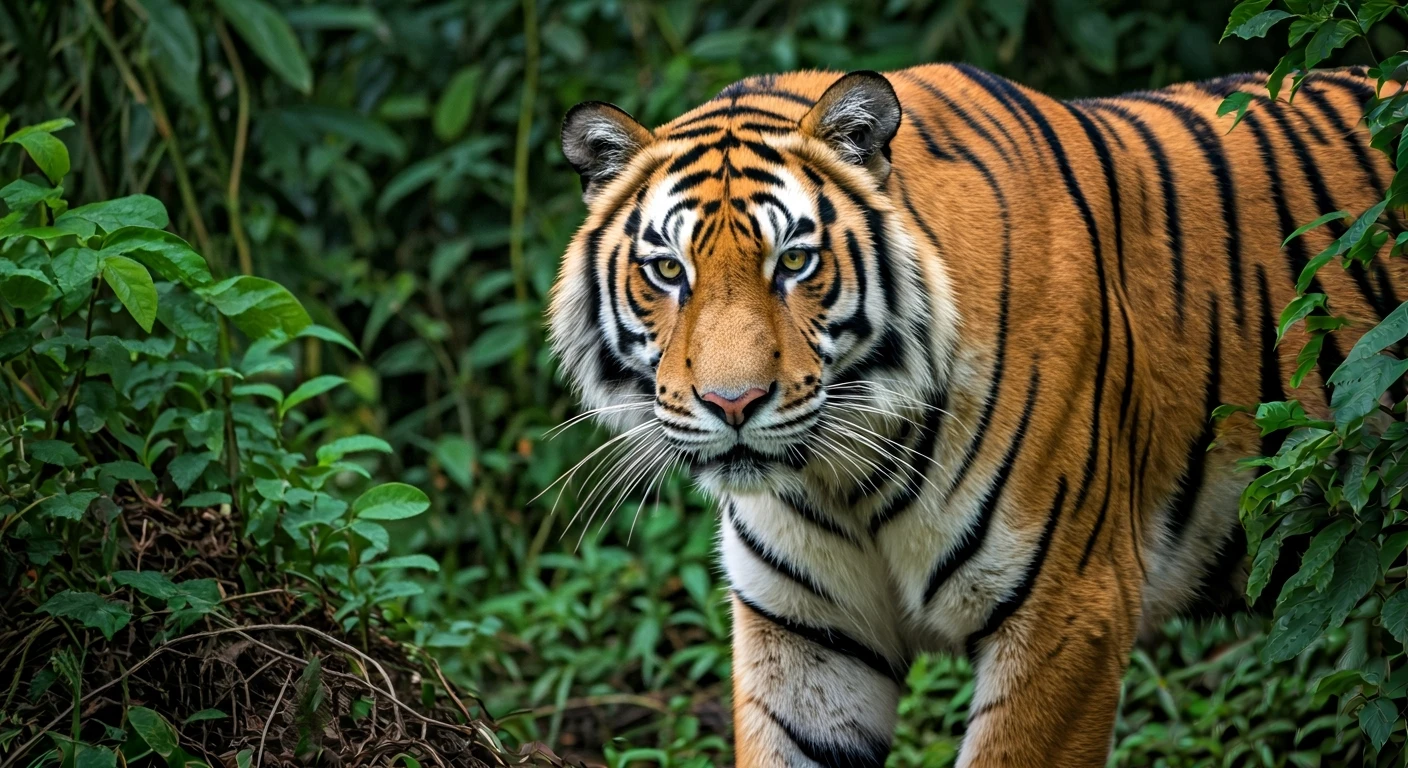
For wildlife enthusiasts, there are few sights more electrifying than a Bengal tiger emerging from the tall grass, its striped coat a masterpiece of natural camouflage. India’s national parks—storied landscapes like Ranthambore, Bandhavgarh, and Kanha—offer
some of the world's best opportunities to witness these magnificent predators in their element. But this access is not year-round. The experience is governed by a powerful, unchangeable force of nature: the monsoon. Every year, as summer’s oppressive heat builds toward a crescendo in June, the gates to these wild kingdoms swing shut, marking the end of the safari season. It’s a hard stop that can catch unprepared travelers by surprise, but it’s an essential part of the ecosystem’s delicate balance.
Why the Monsoon Shuts the Gates
The closure isn’t arbitrary; it’s a necessary response to the torrential rains that sweep across the subcontinent from late June through September. The primary reason is safety and accessibility. The dirt tracks that crisscross the vast parks quickly turn into impassable rivers of mud, making vehicle movement dangerous and often impossible. Getting stranded deep in the jungle is a real risk. But the shutdown is equally about giving the environment—and its inhabitants—a much-needed respite. The monsoon is a time of renewal. The parched landscape transforms into a lush, green paradise, and it's a critical breeding season for many species. Closing the parks allows animals to mate, raise their young, and roam freely without the pressure of safari Jeeps and human observation. It’s a conservation-first approach that ensures the long-term health of the tiger population and their habitat.
The Final Countdown: Key Dates
For most of India’s premier tiger reserves, the final day for safaris is June 30th. Parks typically remain closed through July, August, and September, reopening on or around October 1st. While this is the general rule, some parks have buffer zones or specific gates that may operate on a slightly different schedule. However, banking on a July or August safari in the core tiger-sighting areas is a losing bet. If you're considering a last-minute trip in late May or June, be prepared for intense heat. Temperatures can soar well above 100°F. The silver lining? The heat forces animals, including tigers, to congregate around the few remaining waterholes, which can lead to spectacular, albeit sweaty, sightings.
How to Plan for Next Season
If you’ve missed the window for this year, don’t despair. Use this time to plan the perfect trip for the next season, which runs from October to June. The best time to visit depends on your priorities. The period from November to February offers pleasant, cooler weather, making for comfortable safari drives. From March to June, the rising heat makes the jungle less dense and dramatically increases your chances of spotting tigers near water sources. Booking well in advance is crucial, especially for popular parks and during peak holiday periods. Safari permits are limited and sell out months ahead of time. Start by researching a reputable tour operator or a well-regarded jungle lodge. They can handle the complex logistics of booking permits, accommodations, and guides, ensuring your focus remains on the thrill of the chase.