





Your Gut Is a Bustling Metropolis
Before we talk about an 'upgrade,' let's understand what we're working with. Your gut, specifically your large intestine, is home to trillions of microorganisms, including bacteria, fungi, and viruses. This community is collectively known as your gut microbiome.
Think of it as a bustling city inside you. When this city is diverse and populated by beneficial residents, it runs smoothly, helping with digestion, supporting your immune system, and even influencing your mood. But if the wrong kinds of microbes take over, or if the overall population isn't diverse enough, it can lead to problems like bloating, discomfort, and inflammation.
Why Your Gut Loves Whole Foods
This is where whole foods come in. Unlike their processed counterparts, whole foods are rich in one crucial nutrient your beneficial gut bacteria crave: fiber. Most humans can't digest fiber, so it travels to the large intestine, where it becomes a feast for your microbes. This type of fiber is known as a prebiotic—it’s essentially fertilizer for your good gut bugs. As these bacteria break down fiber, they produce beneficial compounds called short-chain fatty acids (SCFAs), like butyrate. Butyrate is a superstar for gut health; it serves as the primary energy source for the cells lining your colon, strengthens the gut barrier, and helps reduce inflammation. A diet rich in a variety of plant-based whole foods encourages a diverse, thriving microbiome, which is the hallmark of a healthy gut.
The Downside of Processed Foods
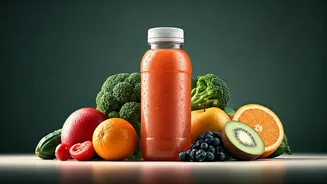
In contrast, ultra-processed foods—think packaged snacks, sugary drinks, and fast-food meals—are typically low in fiber and high in sugar, unhealthy fats, and artificial additives. This diet starves your beneficial microbes and can feed the less desirable ones, leading to an imbalance known as dysbiosis. Some studies suggest that emulsifiers and artificial sweeteners found in many processed products can negatively impact the gut lining and disrupt the microbial community. It’s not about demonizing a single food, but understanding that a diet dominated by these items deprives your internal 'city' of the resources it needs to flourish.
What Counts as a 'Whole Food'?
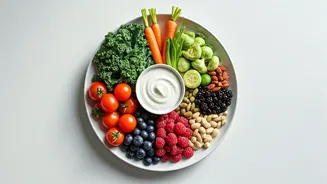
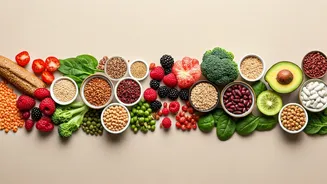
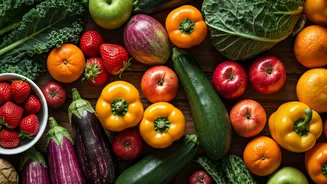
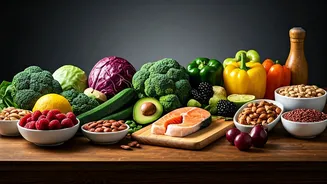
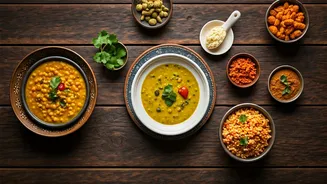
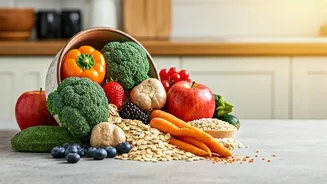
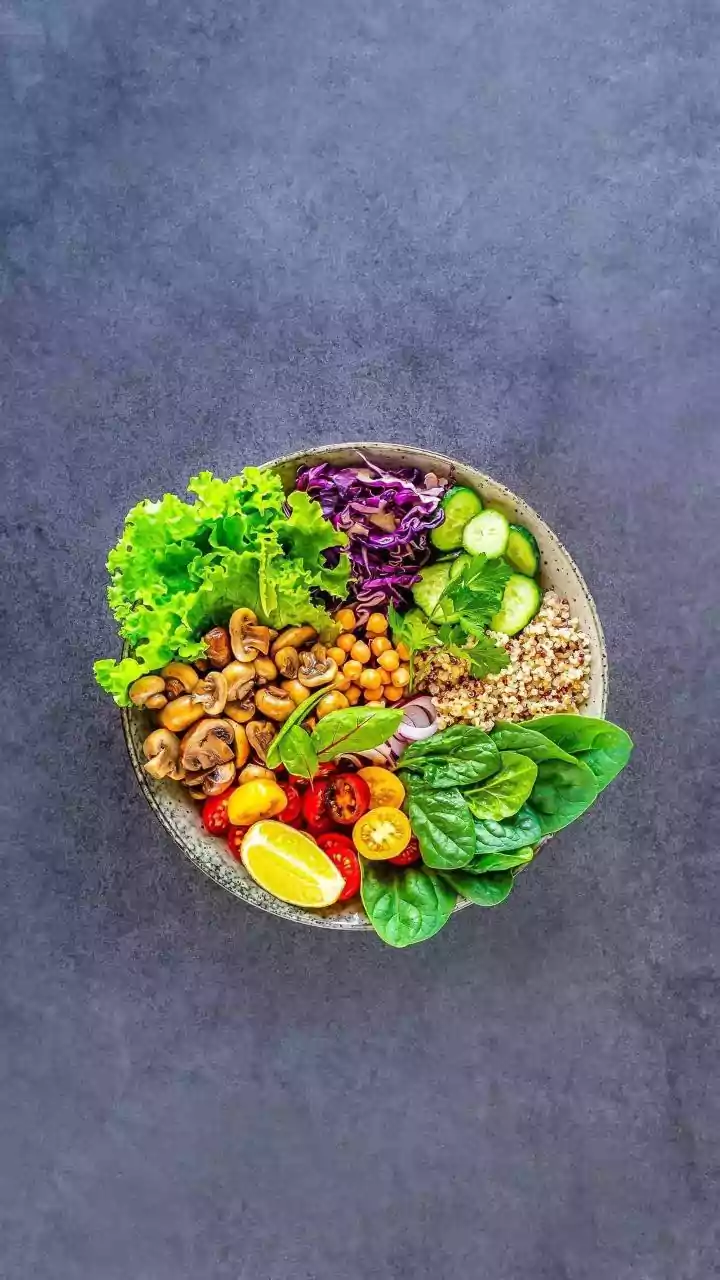
The term 'whole food' can feel vague, but the concept is simple. It refers to foods that are in or close to their natural state, with minimal processing. The key is that nothing good (like fiber or nutrients) has been taken away, and nothing bad (like excess sugar, salt, or chemical additives) has been added. Examples include: - **Fruits and Vegetables:** An apple, not apple juice. - **Whole Grains:** Brown rice, quinoa, and oats, not white bread or sugary cereals. - **Legumes:** Lentils, chickpeas, and black beans. - **Nuts and Seeds:** Almonds, walnuts, chia seeds, and flaxseeds. - **Lean Proteins:** Fish, chicken, and eggs, with minimal processing.
Simple Swaps for Your Gut Upgrade
Upgrading your diet doesn’t require a complete, overnight overhaul. Small, consistent swaps can make a huge difference. Start with one or two of these: 1. **Swap white for whole:** Choose whole-wheat bread, pasta, or brown rice instead of their refined white counterparts. 2. **Make snacks count:** Instead of reaching for a bag of chips, grab a handful of nuts, a piece of fruit, or some baby carrots with hummus. 3. **Rethink your breakfast:** Replace sugary breakfast cereals with oatmeal topped with berries and seeds. The soluble fiber in oats is particularly good for your gut. 4. **Add a plant:** Aim to add one more vegetable or fruit to your day. Toss spinach into your eggs, add an apple to your lunch, or have a side salad with dinner. 5. **Embrace legumes:** Try incorporating beans or lentils into one or two meals a week. Use them in soups, salads, or as a substitute for some of the meat in chili or tacos.