


More Than Just a Garnish
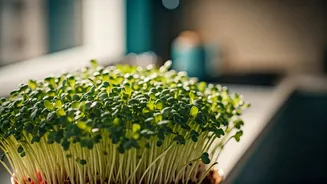
First, what exactly are microgreens? They are not sprouts. They are young vegetable greens, harvested just after the first true leaves have developed. Imagine the essence of a radish, a stalk of kale, or a sunflower shoot, all concentrated into a delicate,
flavorful plant that’s barely an inch or two tall. Their appeal lies in their incredible nutrient density. Studies have shown that microgreens can contain significantly higher levels of vitamins and carotenoids—sometimes up to 40 times more—than their mature counterparts. This “superfood” status is a major driver of their popularity. For a generation increasingly focused on preventative health and nutrient-rich diets, microgreens offer a powerful nutritional punch in a very small package. They add a fresh, peppery, or sweet kick to salads, sandwiches, and smoothies, transforming an ordinary meal into something more vibrant and healthful.
The Urban Wellness Shift
The trend is deeply rooted in a broader cultural shift among India’s urban millennials and Gen Z. This demographic is more globally connected, digitally native, and health-conscious than any before it. Growing awareness around food safety, pesticides in the commercial food supply chain, and the benefits of a plant-forward diet has created a powerful desire for clean, trustworthy food sources. Growing microgreens at home offers a compelling solution. It provides complete control over the growing process—from seed to harvest—eliminating concerns about chemical contaminants. This isn't just about nutrition; it's about reclaiming a connection to food in an increasingly industrialized system. In a country where fresh produce markets are a cornerstone of life, this modern take on 'farm-to-table' is simply shrinking the distance to a few feet within an apartment.
Small Spaces, Big Harvests
For many living in the vertical, densely populated landscapes of India's Tier 1 cities, a traditional garden is an unattainable luxury. A backyard is a fantasy; even a balcony can be a prized commodity. This is where the practicality of microgreens shines. They require minimal space, thriving in small trays on a windowsill, a kitchen counter, or a shelf under an inexpensive grow light. This accessibility has democratized urban farming. You don’t need a green thumb or acres of land—just a small kit, some seeds, water, and a bit of light. Startups across India have capitalized on this, offering all-in-one DIY microgreen kits complete with seeds, growing medium, and simple instructions. These kits have made it incredibly easy for beginners to get started, turning a once-niche hobby into a mainstream wellness practice.
The Instagram-Ready Hobby
It’s impossible to ignore the aesthetic and social dimension of the microgreens trend. The process is visually captivating. The tiny, vibrant greens—from deep red amaranth to bright green broccoli—are inherently photogenic. Documenting the growing journey, from sprouting seeds to the final harvest, provides a steady stream of satisfying content for Instagram and other social platforms. It’s a hobby that aligns perfectly with the digital culture of sharing and personal branding. Posting a photo of a home-cooked meal topped with your own homegrown microgreens is a subtle status symbol. It signals a commitment to wellness, an appreciation for aesthetics, and a hands-on, sustainable lifestyle. This visual appeal has created a self-perpetuating cycle: the more people see beautiful microgreens on their feeds, the more they are inspired to try growing them themselves.
From Kitchen Counter to Local Business
For some, the hobby has even blossomed into a side hustle or a full-fledged business. A growing number of 'micro-entrepreneurs' are using their kitchens and spare rooms to cultivate microgreens for a local customer base. They supply to neighbors, friends, and even local cafes and restaurants that are eager to source fresh, hyperlocal produce. This model often operates on a subscription basis, with customers receiving a fresh batch of harvested greens delivered to their door each week. It’s a small-scale, community-focused form of commerce that feels both modern and traditional, leveraging social media for marketing while building on old-fashioned word-of-mouth. This entrepreneurial spirit shows the trend's evolution from a personal wellness pursuit to a viable part of the local food economy.