
Beyond the Tasting Menu
Let’s be clear: this isn’t just your grandfather’s formal, five-hour tasting menu, a marathon of tiny, intimidating portions served in hushed tones. While that classic format still exists, the modern 'food tour' dinner is something different. It’s more
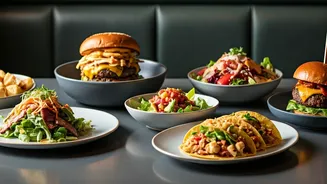
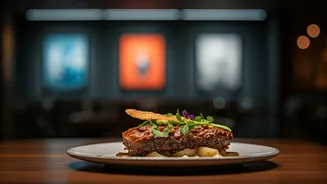
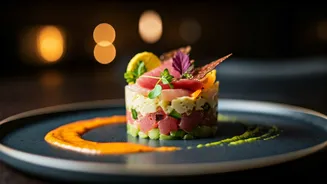
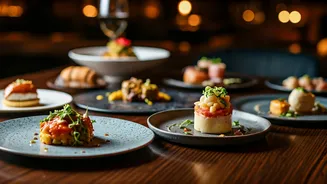
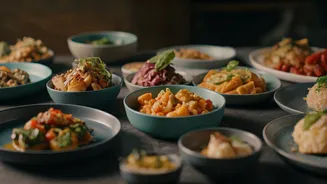
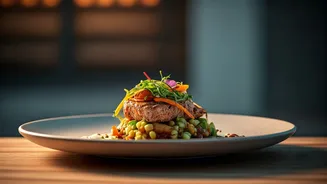
dynamic, more playful, and built for a generation that values experiences over possessions. Think of it as the restaurant version of a greatest hits album. Instead of committing to one entrée, diners are treated to a parade of smaller, distinct dishes. One moment you're having a single, perfect oyster with a citrus foam, the next a bite-sized taco with braised short rib, followed by a spoonful of deconstructed tiramisu. It’s a journey through a chef’s creativity, a region’s ingredients, or a specific culinary theme, all without leaving your table. This approach ditches the anxiety of picking the 'wrong' thing and instead invites you to surrender to a curated experience.
The Psychology of Delicious Variety
So, why is this happening now? A few cultural shifts are converging. First, there’s our collective decision fatigue. After a day of endless choices, the idea of sitting down and having a chef simply delight you is a powerful form of luxury. It removes the pressure of navigating a complex menu. Second, the rise of social media has undeniably played a role. A dinner featuring ten different, beautifully plated dishes is infinitely more 'shareable' on Instagram or TikTok than a single plate of chicken parmesan. It’s visual storytelling. But perhaps the biggest driver is a post-pandemic hunger for novelty. We were stuck at home for so long that a simple meal out is no longer enough for many. Diners are seeking entertainment, adventure, and a story to tell. A meal that feels like a multi-stop tour provides exactly that—a memorable event, not just sustenance.
Why Chefs Are Embracing It
This trend isn't just about pleasing restless diners; it’s a game-changer for chefs and kitchens, too. For one, it’s the ultimate creative canvas. A chef can experiment with new techniques, showcase seasonal ingredients that are only available in small quantities, and tell a cohesive story through food. It prevents the menu from becoming stale. Logistically, it’s also incredibly efficient. When the entire dining room is on a similar culinary track, the kitchen can operate like a finely tuned machine. This model allows for better inventory management, drastically reducing food waste since chefs can precisely calculate how much of each ingredient they’ll need. Instead of stocking up for dozens of different potential orders, they prepare for a predictable flow. It transforms the restaurant from a short-order operation into a culinary theater, where every plate is part of a deliberate performance.
What to Expect at the Table
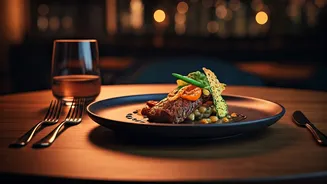
If you’re ready to try a 'food tour' dinner, there are a few things to keep in mind. First, be prepared to cede control. The magic of this experience lies in trusting the chef's vision, so it's best to go in with an open mind and palate. If you have serious dietary restrictions, always call ahead to ensure the kitchen can accommodate you. Second, this is an event, not a quick bite. Set aside at least two to three hours. It’s designed to be savored, not rushed. Finally, while the individual plates are small, you will likely leave feeling perfectly full. The pacing and portioning are designed to add up to a complete and satisfying meal. The price point will almost certainly be higher than a standard à la carte dinner, but you're paying for the artistry, the variety, and the experience—a ticket to a show where every act is delicious.