


Beyond the Turmeric Latte
For many Americans, the “Indian wellness drink” begins and ends with the turmeric latte, or ‘haldi doodh’ as it’s known back home. It was a gateway beverage, introducing the West to the idea that ancient Indian remedies could be delicious cafe fare. But
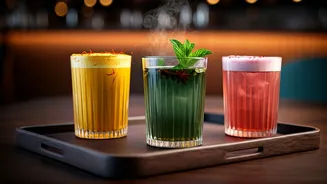
in India’s booming cities, the trend has evolved into something far more sophisticated. Today’s wellness menus are a vibrant exploration of Ayurveda, the country’s ancient system of medicine. You’ll find drinks infused with ashwagandha, an adaptogen believed to help the body manage stress. There are vibrant green concoctions featuring moringa, a superfood packed with vitamins and antioxidants. Amla, or Indian gooseberry, a potent source of Vitamin C, is being muddled into coolers, and tulsi (holy basil) is being steeped into calming, caffeine-free tisanes. These aren't just powders dumped into milk; they are thoughtfully crafted beverages, often designed by in-house nutritionists or Ayurvedic consultants, balancing flavor with function.
An Ancient Tradition, Reimagined
So why is this happening now? It’s a confluence of global trends and local rediscovery. For years, health-conscious urban Indians looked to the West for wellness cues—kale smoothies, quinoa bowls, and kombucha. But a new generation is now looking inward, reclaiming its own heritage with a modern twist. They are discovering that the remedies their grandmothers swore by are being validated by global science and celebrated by wellness influencers from Los Angeles to London.
This movement is about more than just health; it’s about identity. In a rapidly globalizing India, embracing Ayurvedic ingredients is a way to connect with cultural roots in a way that feels authentic and contemporary. It’s a proud declaration that wellness isn’t something that needs to be imported. The ingredients, the knowledge, and the traditions have been here all along. The cafe is simply the new, Instagram-friendly stage for their revival.
Where Coffee Culture Meets Wellness
Crucially, these drinks aren't being relegated to niche health-food stores. They are taking center stage in India’s exploding “third wave” coffee scene. Chains like Blue Tokai Coffee Roasters, Third Wave Coffee, and countless independent artisanal shops are a new social hub for India’s young, upwardly mobile population. They come for the meticulously sourced single-origin pour-overs, and they stay for the ashwagandha-infused cold brew.
This fusion is significant. It signals that wellness is no longer a fringe interest but a mainstream expectation. Customers want their daily caffeine fix, but they also want options that support their overall well-being. By placing a ‘Calm’ tulsi tea next to a ‘Focus’ espresso on the menu, these cafes are acknowledging the complex demands of modern urban life. They are selling not just a drink, but a desired state of being.
A Taste of Modern India
For an American observer, this trend offers a fascinating window into contemporary India. It challenges outdated perceptions and showcases a country that is innovative, confident, and complex. The new Indian cafe is a space where a centuries-old tradition like Ayurveda can seamlessly coexist with a global phenomenon like specialty coffee.
These wellness drinks are more than just a passing fad; they are a delicious symbol of a nation forging a new identity. It’s an identity that honors its past while ambitiously crafting its future. And as with many culinary trends, what starts in the hip cafes of Mumbai and Delhi often finds its way onto menus in New York, Chicago, and San Francisco. The next major wellness drink trend in the U.S. might not come from a lab in California, but from a recipe perfected over generations in India.