



Why Prune Before the Rain?
Calling pre-monsoon pruning a “hack” almost undersells its importance. For plants in arid regions, this is a critical survival strategy you can assist them with. The primary benefit is structural. Many desert trees and shrubs grow dense, top-heavy canopies.
The powerful winds and heavy downpours of a monsoon storm can turn these canopies into sails, leading to broken limbs or even uprooted plants. By strategically thinning them out, you allow wind to pass through harmlessly. Secondly, pruning improves air circulation. The monsoon season brings a dramatic spike in humidity, creating the perfect environment for fungal diseases like powdery mildew. Opening up the plant's interior allows foliage to dry faster after a storm, significantly reducing the risk of disease. Finally, a proper trim stimulates a flush of new growth, perfectly timed to take advantage of the life-giving summer rains.
Timing Is Everything: The Pruning Window
The North American Monsoon typically arrives in the Southwest between mid-June and early July. Your pruning window is the few weeks leading up to it, generally from late May to mid-June. Pruning too early in the spring can expose tender new growth to late frosts or the intense, dry heat of early summer before the humidity arrives. Pruning too late, once the storms have already begun, defeats the purpose and can stress the plant as it’s already dealing with dramatic environmental shifts. The goal is to have the plant healed from its cuts and ready to embrace the first rains. Mark your calendar for Memorial Day weekend as a general starting point to assess your garden and sharpen your tools. Watch the weather forecasts; when meteorologists start talking about the monsoon’s imminent arrival, it’s your final call to get the work done.
The Pruning Hit List: What to Cut (and What to Skip)
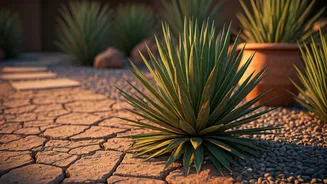
Not every plant needs the same treatment. Your primary targets should be the fast-growing native and desert-adapted species that can get overgrown. Focus on: - **Desert Trees:** Palo Verde, Mesquite, and Desert Willow benefit immensely from thinning. Remove crossing branches, water sprouts (the thin, vertical shoots), and any limbs that create a dense, sail-like thicket. The goal is to see daylight through the canopy. - **Large Shrubs:** Brittlebush, Creosote, and Texas Sage can become woody and unruly. A good trim encourages bushier, more controlled growth and prevents them from snapping in the wind. - **Overgrown Perennials:** Plants like Lantana or some varieties of Salvia can be cut back by about a third to rejuvenate them and prevent them from becoming a tangled mess in the humid air. What should you skip or approach with caution? Avoid heavily pruning citrus trees, as exposing their main branches can lead to severe sunburn. Likewise, be gentle with cacti and succulents; for them, it's mostly about removing any dead or rotting pads, not shaping them.
The Right Technique: Less Is More
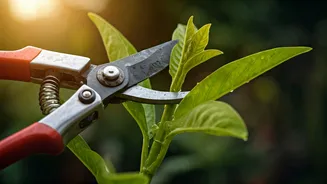
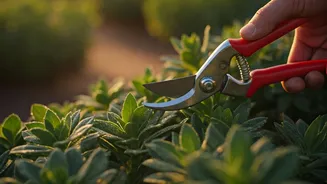
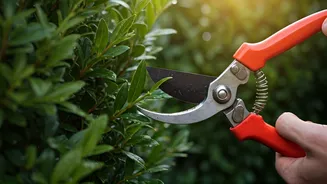
Good pruning is an art, but you don't need to be a master sculptor. Follow a few simple rules for healthy plants. First, always use clean, sharp tools. Wiping your shears or saw with rubbing alcohol between plants is a pro move that prevents the spread of disease. Second, focus on the “Three D’s”: remove any wood that is Dead, Damaged, or Diseased first. This is basic garden hygiene. Next, work on thinning cuts. Instead of just shortening a branch (a heading cut), trace it back to its point of origin—either on a larger branch or the main trunk—and remove it there. This opens up the plant’s structure without creating a burst of weak, bushy growth at the cut end. As a rule of thumb, never remove more than 25-30% of a plant's total canopy in a single season. A light touch is always better than an aggressive one.