




The Last Lions of Asia
Forget the sprawling plains of the Serengeti for a moment. The real jewel for big cat connoisseurs is a lesser-known, dry, deciduous forest in Gujarat, India. This is Gir National Park, and it holds a distinction no other place on Earth can claim: it is the only
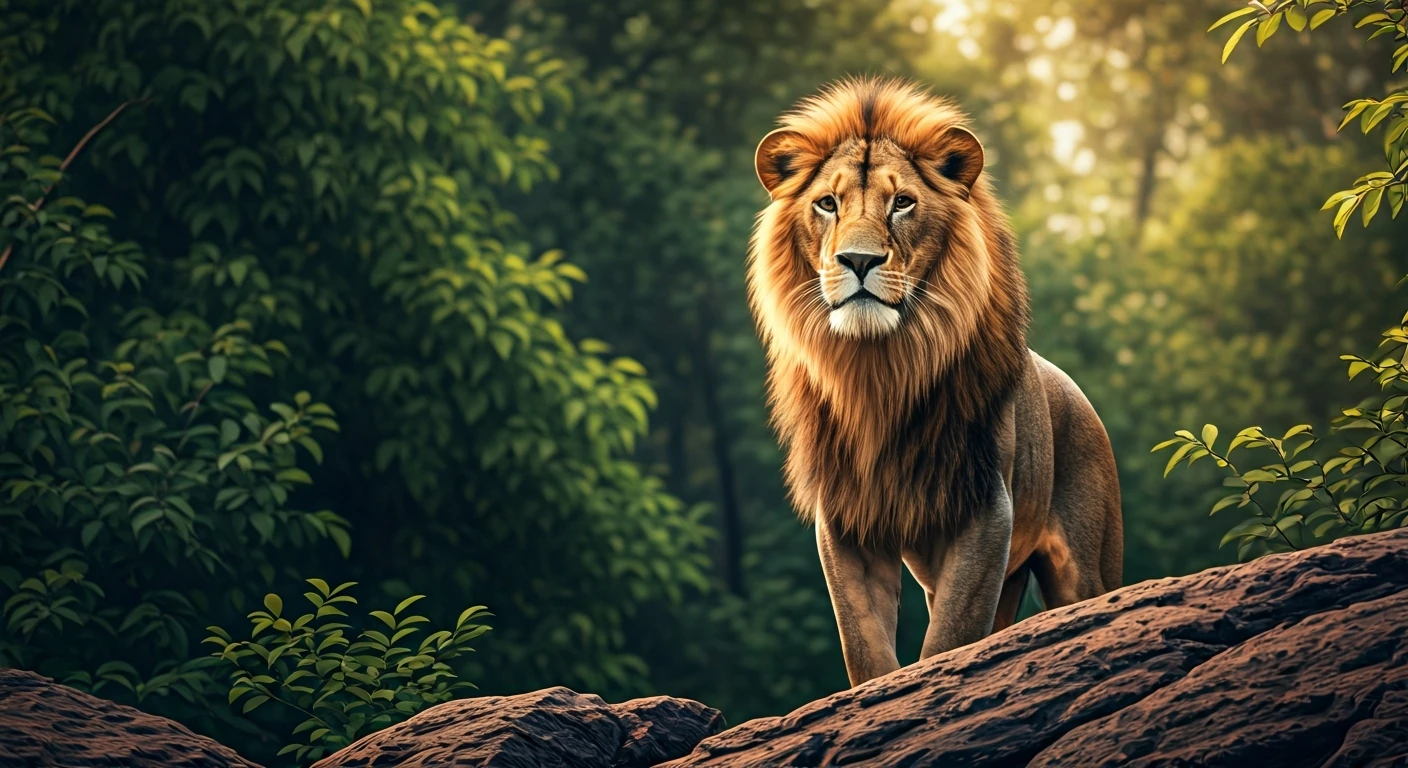
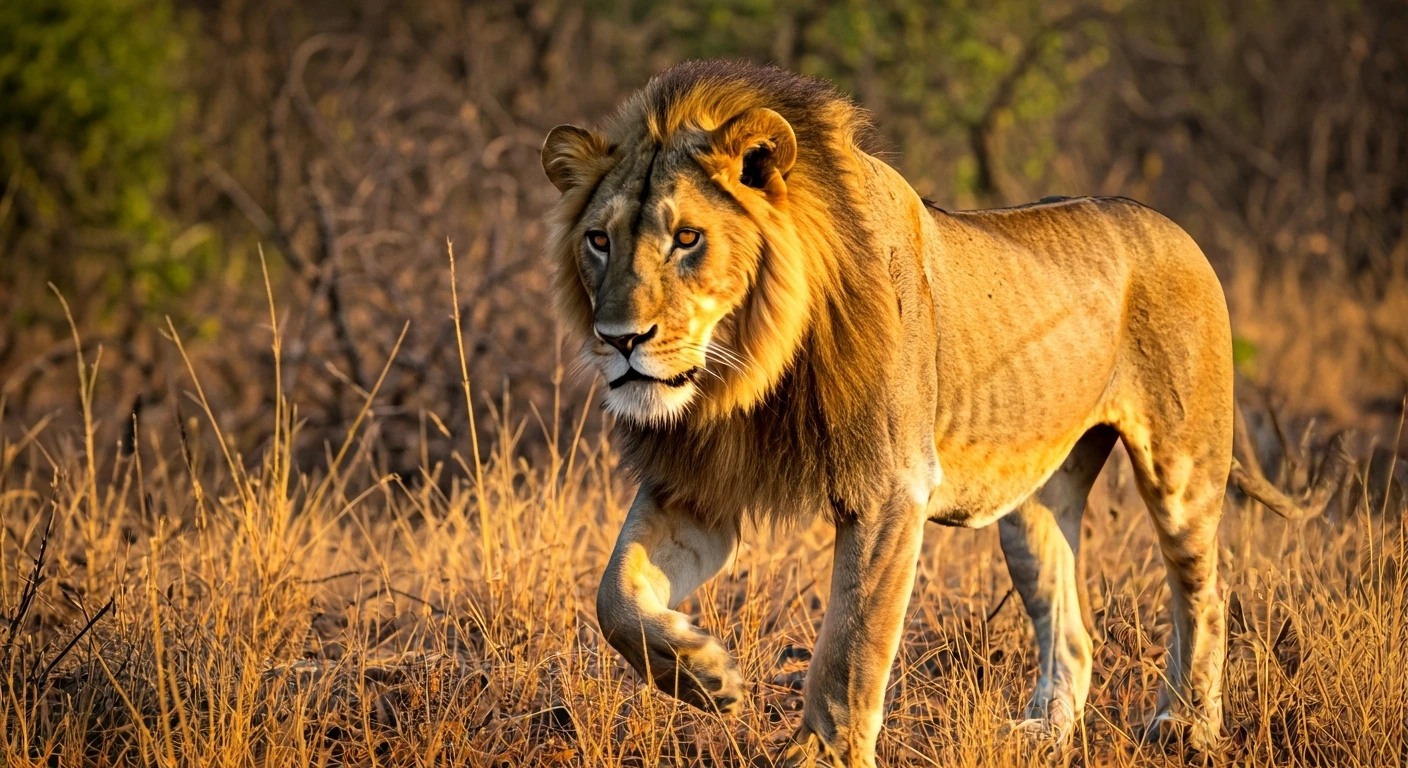
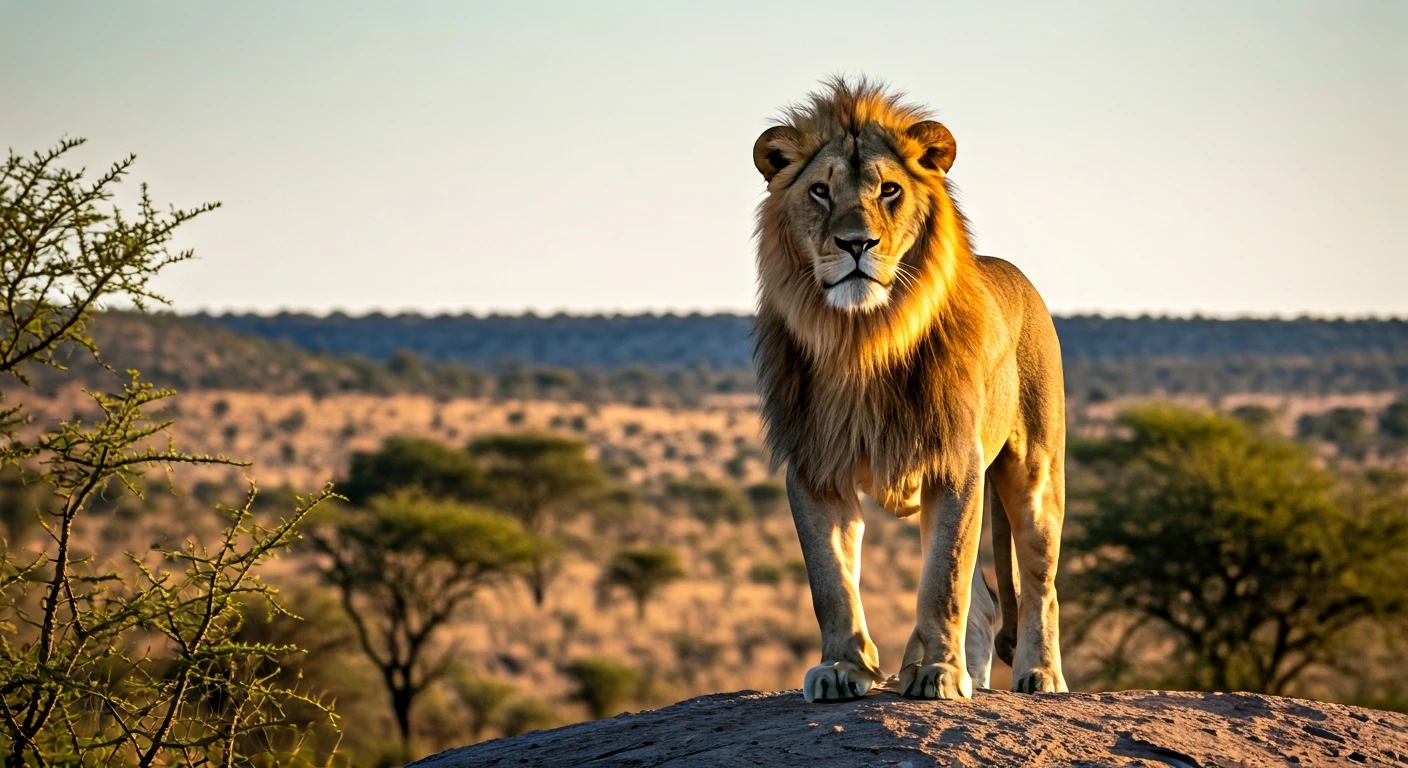
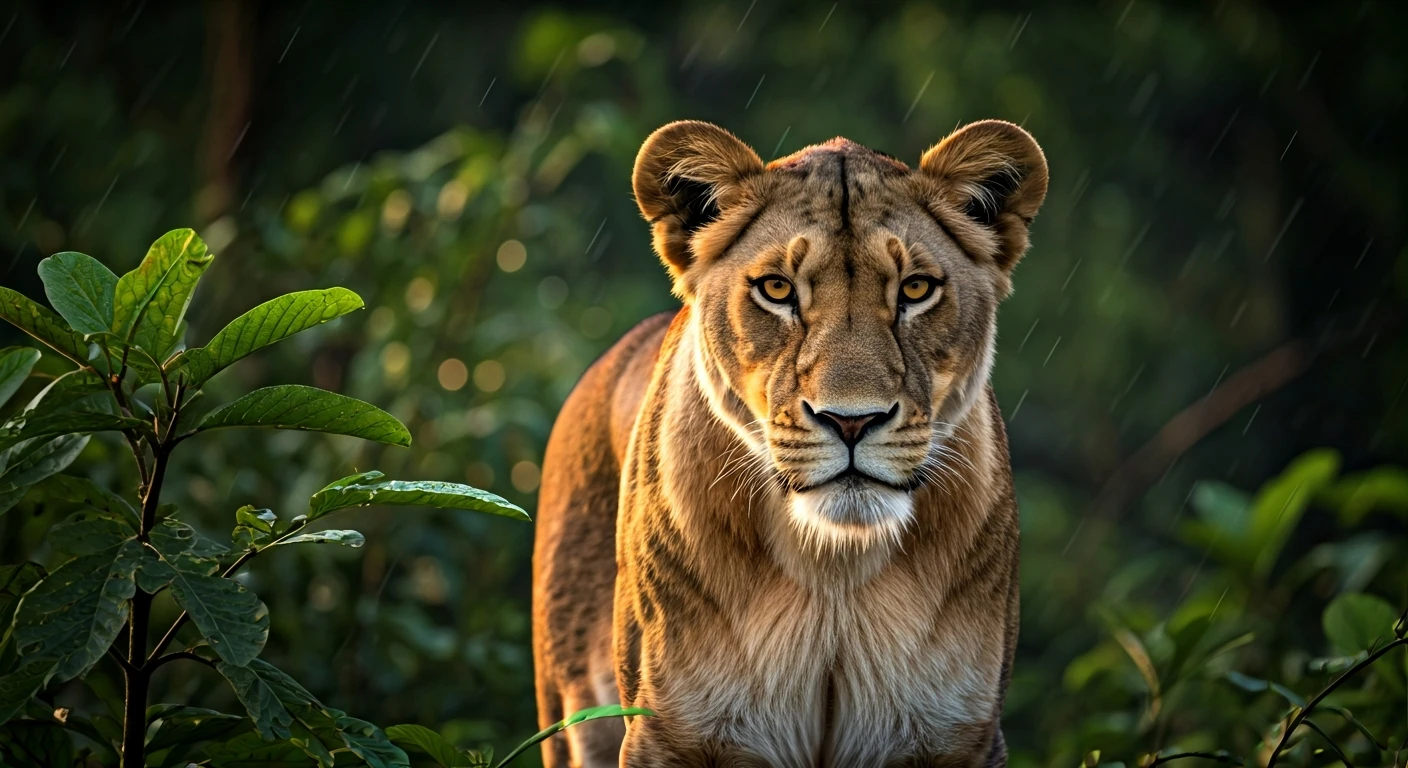
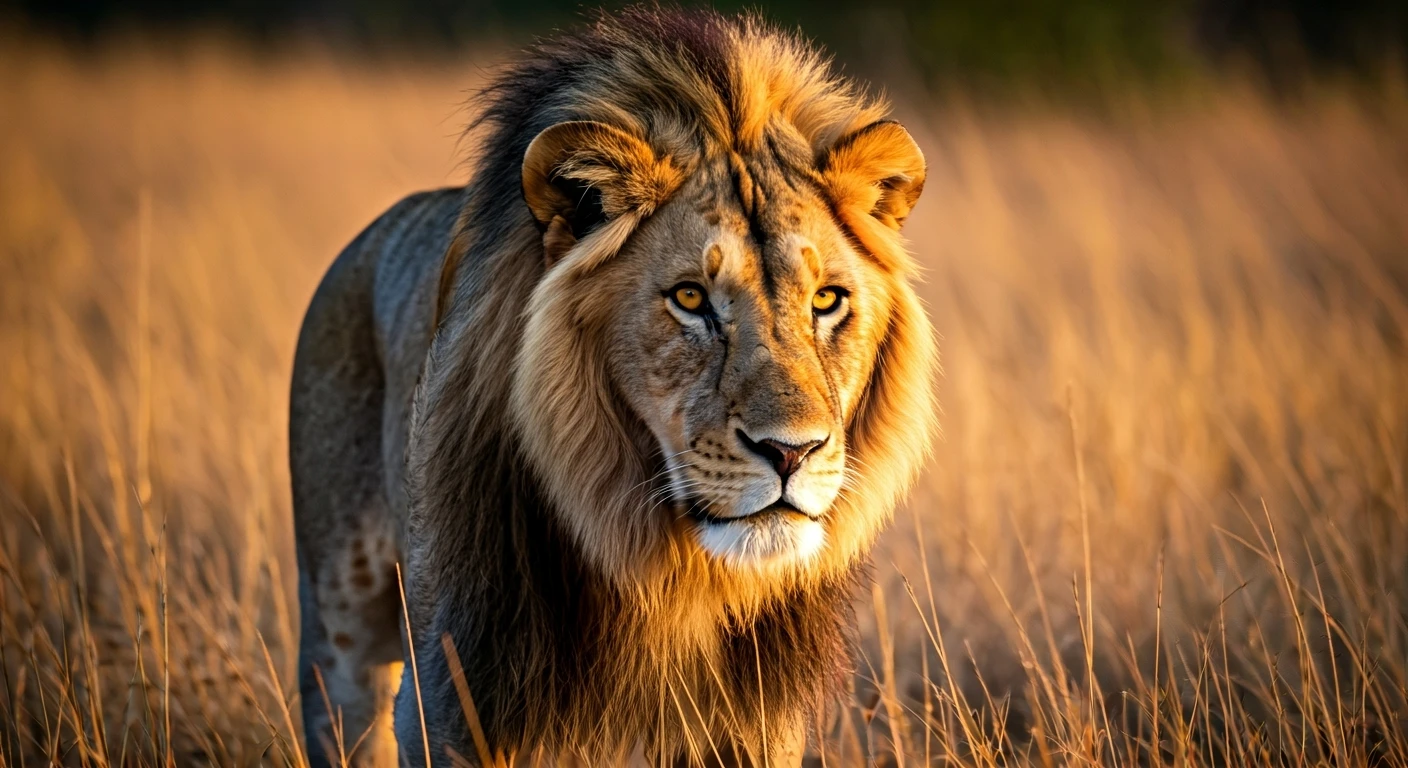
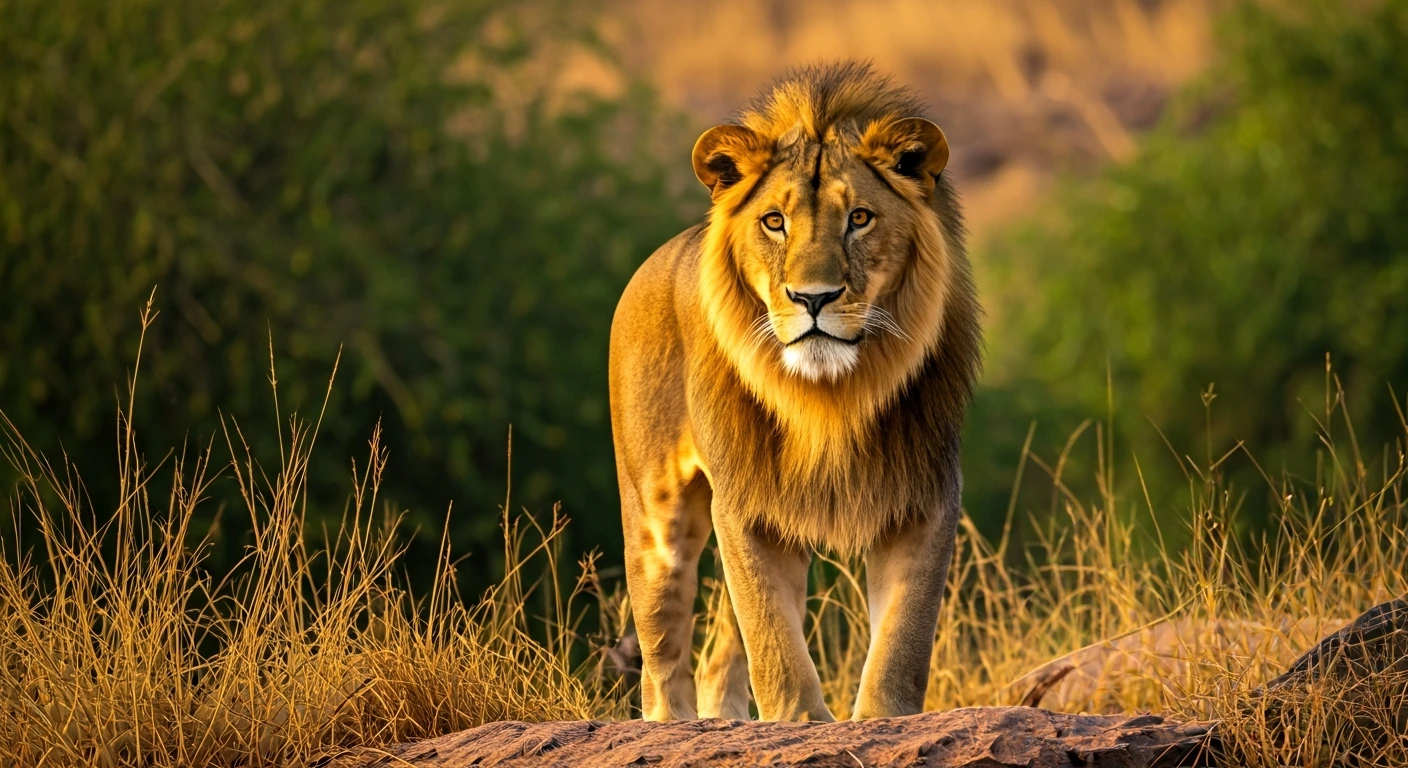
home of the wild Asiatic lion. Once roaming from the Middle East to India, these magnificent predators were hunted to the brink of extinction. By the early 20th century, a mere 20 individuals remained, all within this single forest. Thanks to a monumental, century-long conservation effort, their numbers have rebounded to over 670. A safari in Gir isn’t just a wildlife-viewing trip; it’s a chance to witness one of conservation's greatest success stories. Unlike their slightly larger African cousins, Asiatic lions have a distinctive longitudinal fold of skin on their bellies, and males have a sparser mane. Seeing one emerge from the dusty teak forest is a primal, powerful experience that connects you directly to this incredible story of survival.
The Race Against the Rains
The urgency isn't hype; it’s dictated by Mother Nature. Every year, Gir National Park closes its gates to the public from June 16th until October 15th. This isn’t an arbitrary decision but a necessary measure to protect both the wildlife and the park’s infrastructure during the heavy monsoon season. The torrential rains make the dirt tracks and riverbeds impassable, turning safari drives into a dangerous and often impossible endeavor. More importantly, the closure gives the forest and its inhabitants a much-needed reprieve. It’s a period of regeneration for the flora and a crucial, undisturbed mating season for many animals, including the lions. This annual shutdown creates a firm deadline for travelers. If you want to see the lions of Gir in their prime, you have to do it before the first drops of the monsoon transform the landscape and lock the gates until fall.
The Safari Experience
A safari in Gir is a uniquely Indian affair. Instead of the hulking Land Cruisers common in Africa, you’ll be in an open-topped Maruti Suzuki Gypsy, a nimble and rugged vehicle perfect for navigating the park’s narrow trails. Each safari—typically lasting about three hours—is a lottery. There are no guarantees. You’ll be accompanied by a government-approved guide and a tracker, whose sharp eyes scan the forest floor for pugmarks and listen for the alarm calls of deer and monkeys that signal a predator’s presence. The anticipation builds with every turn. While the lion is the star attraction, Gir is a thriving ecosystem. The park is also one of the best places in India to spot leopards, and it's teeming with other wildlife, including sambar deer, nilgai (blue bull antelope), wild boar, and marsh crocodiles in its reservoirs. The raw, rustic nature of the experience is part of its charm; it feels less commercialized and more like a genuine expedition.
Your Last-Minute Game Plan
Planning a last-minute trip requires precision. First, permits are everything. Safari permits for Gir must be booked online, in advance, through the official Gir National Park permit website. They sell out quickly, especially for the prime morning and late afternoon slots, so this should be your first step. Second, getting there. The nearest airports are Rajkot (RJK) and Diu (DIU), both about a 3-4 hour drive from the park’s main hub, Sasan Gir. From there, you can hire a taxi. Third, lodging. A range of options surrounds the park, from the basic but well-located Sinh Sadan Government Guest House to a variety of private eco-resorts and luxury lodges that offer all-inclusive packages. Book your accommodation immediately after securing your safari permits. Remember to pack light, breathable clothing in neutral colors, a good hat, sunscreen, and of course, your best camera. The late spring heat can be intense, so be prepared for hot and dusty conditions—a small price to pay for the adventure.