
1. It’s a Cure for Digital Burnout
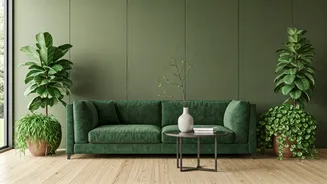
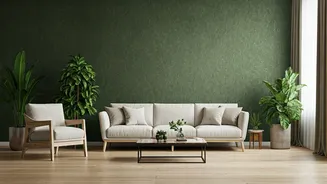
After years of staring at screens, our eyes—and our souls—are craving a reset. The comeback of earthy green is rooted in biophilic design, the concept of connecting our indoor spaces with nature to improve well-being. Deep, organic greens like moss, olive,
and forest floor evoke a sense of calm and restoration that a stark white or gray wall simply cannot. It’s a subconscious signal to our brains to slow down and breathe. Designers are leveraging this by wrapping entire rooms in verdant patterns, creating immersive sanctuaries that feel like a permanent escape to a lush, quiet woodland or a secret garden. This isn’t just decoration; it’s a form of self-care, a quiet rebellion against our hyper-connected lives.
2. This Isn’t Your Grandmother’s Avocado Green
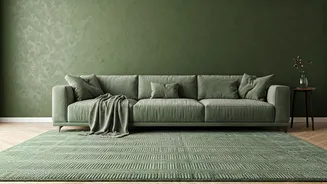
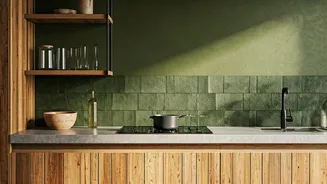
Let’s be clear: the greens making a comeback are sophisticated, complex, and worlds away from the flat, kitschy avocado of the 1970s. Today’s popular shades are muted, moody, and drawn directly from the natural world. Think of the dusty, silvery-green of a sage leaf, the deep, warm tone of an olive grove, or the rich, dark emerald of a fern in the shade. These colors have depth and character. They serve as a powerful neutral, capable of pairing with warm woods, burnished brass, creamy whites, and even pops of unexpected color like rust or blush pink. The result is a look that feels layered, timeless, and effortlessly chic, rather than dated or gimmicky.
3. The 'High Fashion' Factor Is Real
This trend received its seal of approval from the world of high fashion and bespoke design. Luxury wallpaper houses like de Gournay, Gracie, and House of Hackney are famous for their intricate, often hand-painted, botanical and chinoiserie scenes. For years, these were the exclusive domain of elite interior designers and their wealthiest clients. Now, that aspirational aesthetic is trickling down. The patterns are bold and narrative-driven—think large-scale tropical leaves, delicate trailing vines, or moody forest landscapes. The “surprise” isn’t that green is a nice color; it’s that these dramatic, art-like wallcoverings are becoming a sought-after centerpiece in stylish homes, signaling a departure from safe, understated design.
4. It Makes a Big Statement in Small Spaces
While covering a great room in a bold print is a power move, one of the most effective ways to use earthy green wallpaper is in a small, contained area. Powder rooms, once an afterthought, are now being transformed into jewel boxes with dramatic, dark green prints. A small home office or a reading nook becomes an instant sanctuary when enveloped in a calming botanical pattern. Even entryways and hallways are getting the treatment, setting a sophisticated and welcoming tone from the moment you walk in. Using a bold wallpaper in a small space is a lower-risk, high-reward design choice that delivers maximum impact without overwhelming the senses (or the budget).
5. It’s Incredibly Versatile to Style
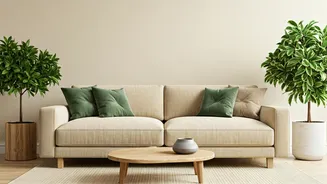
Despite its strong presence, earthy green is a surprisingly flexible backdrop. For a classic, elegant look, pair a mossy green wallpaper with dark wood furniture, traditional oil paintings, and brass accents. For a more modern, slightly bohemian vibe, combine a sage green pattern with rattan furniture, linen textiles, and plenty of live plants. It also works beautifully with the “grandmillennial” aesthetic, complementing floral chintz, scalloped edges, and antique pieces. The key is to treat the wallpaper as the foundational element. Pull colors from the pattern to use in your textiles and decor, and allow the walls to be the star of the show.