

The Universal Victory Cry
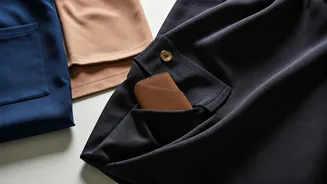
You’ve seen it. You’ve probably done it. A friend shows up in a new dress or skirt. Someone compliments it. The wearer’s face lights up, they plunge a hand into a hidden seam and declare, with the triumphant air of someone revealing a royal flush, “Thanks!
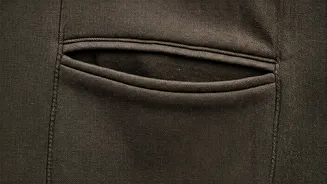
It has pockets!” That simple phrase has become a universal, almost coded, expression of pure joy and profound relief. For decades, women’s fashion has often prioritized a sleek, uninterrupted silhouette over basic utility, leaving millions to juggle a phone, keys, and wallet, or else commit to carrying a handbag everywhere. The “pockets moment” isn’t just a meme; it’s a tiny, recurring celebration of a design choice that treats the wearer as a person with things to carry, not just an object to be looked at.
A Brief History of Pocket Inequity
This isn't a new fight. The absence of pockets in womenswear is a long-standing, and frankly, political issue. Back in the 17th and 18th centuries, both men and women had pockets, though women’s were often separate tie-on pouches worn under their voluminous skirts. But as fashion evolved toward the slender, high-waisted silhouettes of the late 18th and 19th centuries, pockets were deemed disruptive. They created lumps. They ruined the “line.” And so, they were largely eliminated, giving rise to the decorative (and often impractical) handbag or réticule. Men’s clothing, meanwhile, became ever more pocket-heavy. This design divergence sent a clear message: men were active participants in public life, needing their effects on their person. Women were ornamental, their belongings to be carried for them or displayed in a dainty purse. The frustration we feel today over a pocketless pair of pants is the faint echo of centuries of sartorial sexism.
The Practicality Pendulum Swings Back
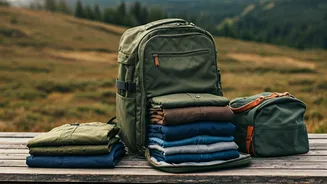
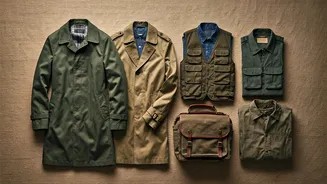
So why are pockets winning now? The shift is part of a larger rebellion against impracticality. After years of chasing picture-perfect, often uncomfortable, “Instagrammable” outfits, a collective fatigue has set in. This was accelerated by the pandemic, which recalibrated our collective tolerance for discomfort. We traded skinny jeans for sweats, heels for sneakers, and structured blazers for soft knits. As we re-entered the world, that desire for comfort and function didn’t just disappear. Consumers are now demanding more from their clothes. They want garments that work for their lives—clothes that can withstand a commute, a day of errands, and an evening out, all while holding a smartphone and a lip balm. The rise of utilitarian aesthetics, from cargo pants to “gorpcore” (functional outdoor gear as high fashion), is the most visible sign of this new paradigm. Pockets are simply the most democratic and universally desired feature of this movement.
Brands Are Finally Getting the Memo
For a long time, the industry line was that adding pockets was too expensive or technically difficult without ruining a garment’s drape. But as consumer demand—shouted from social media comment sections and reflected in purchasing habits—became too loud to ignore, brands have finally started to listen. Designers from high-fashion houses to fast-fashion giants are now making pockets a selling point. They’re no longer a happy accident; they’re a feature to be advertised. We see them in tailored trousers, A-line skirts, and, most gloriously, in formal dresses and jumpsuits. Some brands have built their entire identity around this principle of thoughtful, functional design. This isn't just about appeasing customers; it’s good business. An item with well-designed pockets is an item that feels more valuable, more considered, and is ultimately more likely to be worn on repeat, fostering brand loyalty in a crowded marketplace.