

Embrace the Desert's Second Spring
When most Americans think of monsoons, they picture distant continents. But the U.S. has its own powerful monsoon season, a weather pattern that typically runs from mid-June through September, bringing moisture from the Pacific and Gulf of Mexico into
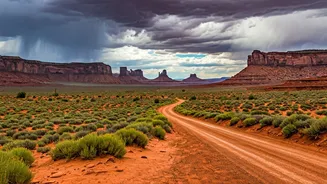
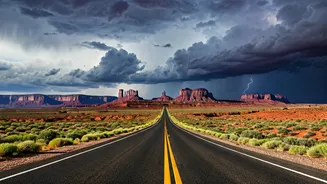
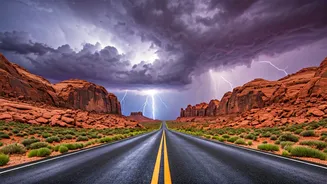
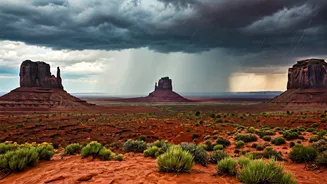
the arid Southwest. For Arizona, New Mexico, and parts of Utah and Colorado, this isn't a season to endure; it's a celebration. The intense, often brief, afternoon thunderstorms break the oppressive summer heat, coaxing flowers from dormant cacti and washing the dust from the air, leaving behind an otherworldly clarity. For travelers, this means witnessing a landscape in flux, where the desert reveals a lush, vibrant side few ever get to see.
Chase Storms in Southern Arizona
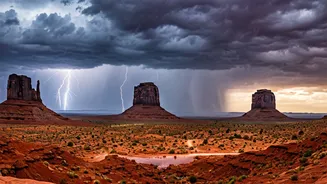
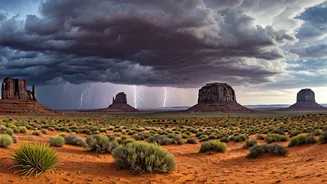
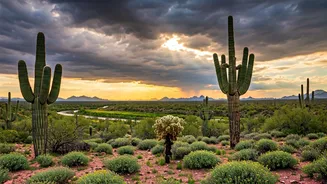
Tucson and the surrounding Sky Islands are the epicenter of monsoon magic. This is where you go to witness the show. After a hot, still day, towering cumulonimbus clouds begin to build over the mountains, their anvil-shaped tops signaling the coming deluge. The experience is a full sensory immersion: the sudden drop in temperature, the wind whipping through palo verde trees, the deep rumble of distant thunder, and finally, the downpour. Saguaro National Park becomes a wonderland, with the giant cacti silhouetted against bruised purple skies. The sweet, earthy smell of creosote bush after the rain—a scent called 'petrichor'—is so distinctive and beloved that locals consider it the perfume of the desert summer. Find a safe spot with a clear view, like a covered patio or a west-facing lookout, and just watch.
Discover New Mexico’s High Desert Hues
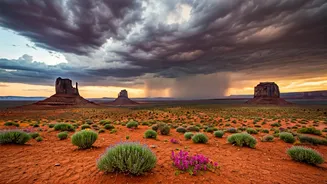
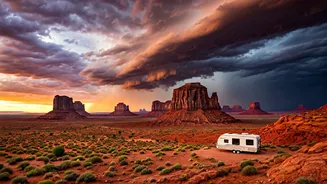
While Arizona’s storms are famously intense, New Mexico offers a different but equally compelling monsoon experience. In the high desert around Santa Fe and Taos, the storms often feel more painterly. The vast, open landscapes provide an unparalleled canvas for the sky’s drama. The light here is legendary year-round, but during monsoon season, it’s transcendent. Sunsets following a storm can set the entire sky ablaze in shades of fiery orange, pink, and deep violet, often punctuated by a double rainbow arching over the landscape. It's a photographer's dream and a soul-stirring sight for anyone. The slightly cooler high-altitude air also makes post-storm exploration particularly pleasant, perfect for a walk to admire the newly greened piñon and juniper.
Listen to the Rhythms of the Rain
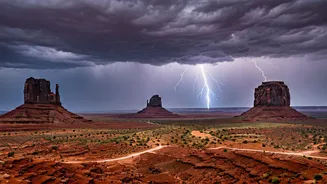
Monsoon travel isn’t just about what you see; it’s about what you hear. In a region known for its profound silence, the monsoon introduces a complex and beautiful soundtrack. It begins with the wind, a low whistle that builds into a rushing roar. Then comes the thunder—not the muffled background noise of a city storm, but a sharp, cracking report that echoes off the mountains and vibrates in your chest. Finally, the rain itself: a gentle patter that can escalate into a deafening torrent hammering on a tin roof. The world narrows to this symphony of water and electricity. When it passes, as quickly as it came, it leaves behind the gentle dripping from eaves and the gurgle of water rushing through arroyos, before silence descends once more.
Travel with Respect and Caution
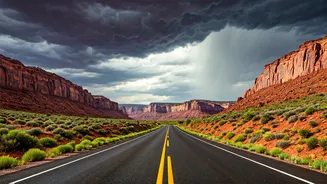
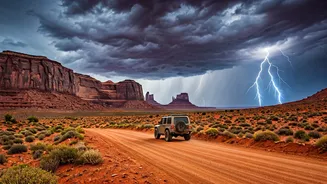
The beauty of the monsoon comes with inherent risks that demand respect. Flash floods are the number one danger. A storm miles away in the mountains can send a wall of water rushing down a dry wash (an arroyo) with little to no warning. Never drive through a flooded roadway—'Turn Around, Don't Drown' is the essential mantra. Always check the weather forecast before hiking, and be wary of setting up camp in low-lying areas. Heed local warnings and be prepared for roads to temporarily close. Lightning is another serious hazard. When you hear thunder, it’s time to seek safe, substantial shelter. By planning ahead and prioritizing safety, you can fully and responsibly enjoy one of nature's most spectacular and dynamic performances.