






The Jaw-Dropping Temple Trail
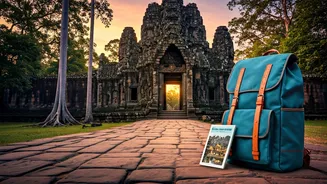
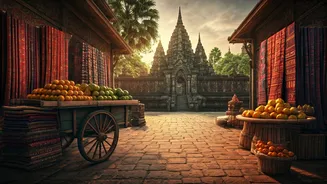
The main event in Cambodia is, without a doubt, Angkor Wat. This colossal, 12th-century temple complex is the largest religious monument in the world, and its grandeur is hard to overstate. Originally built as a Hindu temple dedicated to Vishnu, its deep-rooted
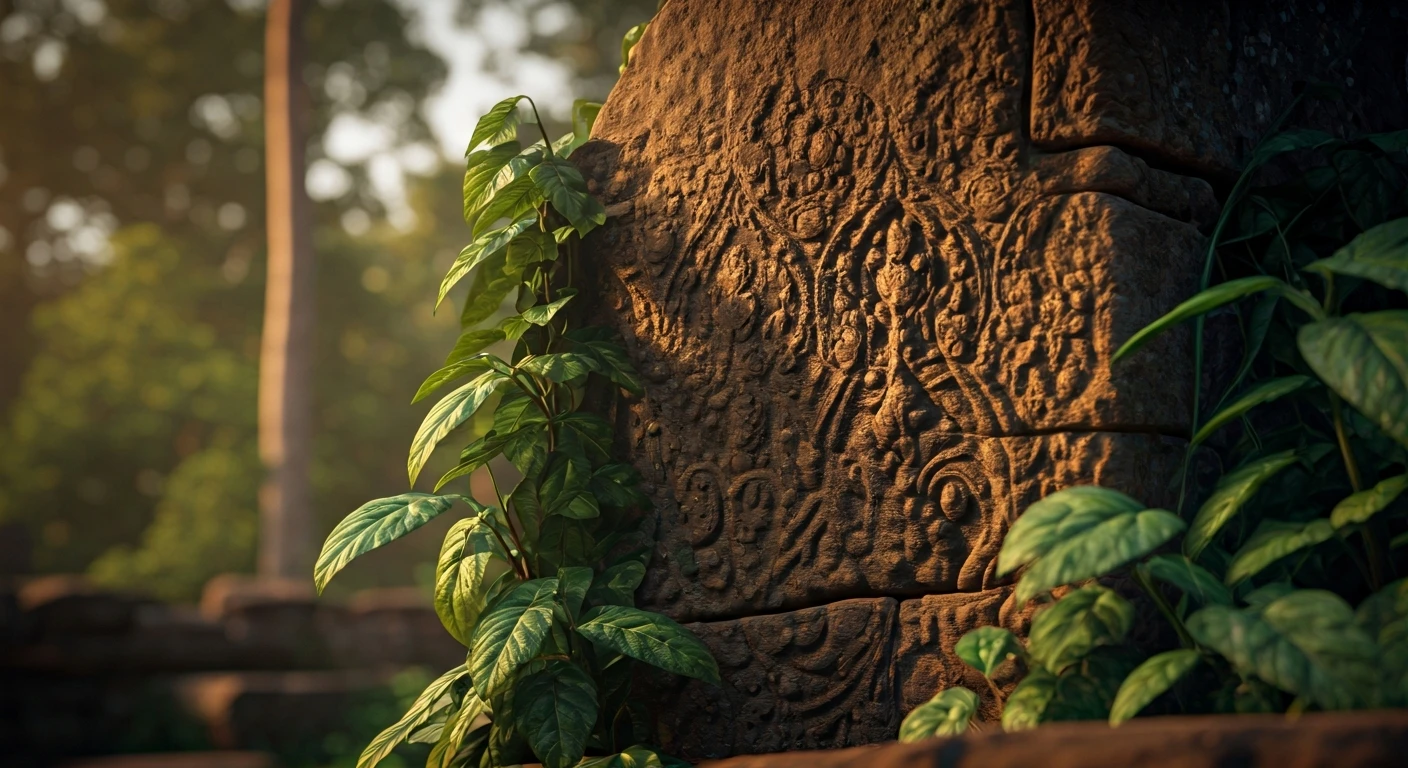
connection to Hindu mythology makes it an obvious draw for Indian tourists. But its appeal is universal. Watching the sun rise over its iconic lotus-shaped towers is a bucket-list experience for any traveler. Beyond Angkor Wat, the surrounding archaeological park is littered with hundreds of other temples, from the serene, face-carved towers of Bayon to the jungle-swallowed ruins of Ta Prohm (famously featured in *Tomb Raider*). You can spend days exploring these sites by tuk-tuk, feeling like a modern-day explorer uncovering a lost world.
Your Dollar Goes an Unbelievably Long Way
This is where Cambodia truly shines for the budget-conscious traveler. The country offers one of the best value propositions in Southeast Asia. Comfortable private rooms in guesthouses can be found for as little as $15-25 a night, a delicious and filling street food meal like *lok lak* (stir-fried beef) or a bowl of noodle soup can cost just $2-3, and local draft beer is often sold for a celebratory $0.75 during happy hour. This affordability means you can extend your stay, indulge in more activities like cooking classes or guided tours, and enjoy a rich travel experience without the constant financial anxiety that can accompany trips to Europe or even neighboring Thailand. Your budget isn't just for surviving; it's for thriving.
A Food Scene That Delights
While Thai and Vietnamese cuisines often get more international attention, Khmer (Cambodian) food is a delicious discovery waiting to happen. It’s less spicy than Thai food on average, focusing instead on fresh herbs, fermented pastes, and a balance of sweet, sour, and salty flavors. The national dish, *Fish Amok*, is a must-try—a creamy, fragrant fish curry steamed in a banana leaf. For a country with a rich history tied to India, you’ll find familiar notes, like curries (*kroeung*), but with a uniquely Cambodian twist. The vibrant local markets, like Phsar Leu in Siem Reap, are a feast for the senses, offering everything from exotic fruits to grilled insects for the truly adventurous eater.
More Than Just Temples
While Angkor is the crown jewel, reducing Cambodia to its temples would be a mistake. The bustling capital, Phnom Penh, offers a poignant look at the country's recent history at the Tuol Sleng Genocide Museum and the Killing Fields, balanced by a burgeoning scene of chic riverside cafes, rooftop bars, and vibrant markets. For a dose of sun and sand, the southern coast boasts laid-back beach towns like Kampot, famous for its pepper plantations, and the idyllic islands of Koh Rong and Koh Rong Samloem, where turquoise waters and white sands offer a perfect tropical escape from the temple trail. This diversity allows travelers to build a varied itinerary that combines history, culture, and relaxation.
A Warm Welcome and Easy Logistics
Cambodia is actively courting international visitors, and it shows. The tourism infrastructure is well-established, especially around Siem Reap and Phnom Penh, making it easy for independent travelers to navigate. English is widely spoken in tourist areas, and the Cambodian people are renowned for their gentle, resilient, and welcoming nature. Recently, the government has made travel even easier, launching a new e-visa system and promoting direct flights to attract visitors from new markets, including India. This focus on accessibility sends a clear message: Cambodia is open, friendly, and ready for you to explore.