




The Wellness Rebrand
It’s a familiar cycle in the American wellness industry. An ingredient, often one with deep roots in a non-Western culture, is 'discovered,' simplified, and rebranded as a 'superfood.' We saw it with açaí from Brazil and matcha from Japan. Now, it’s the spice
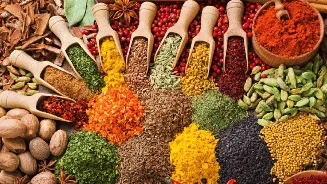
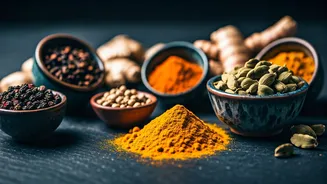
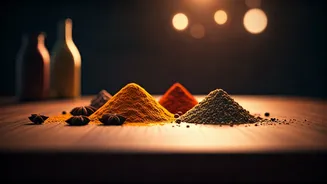
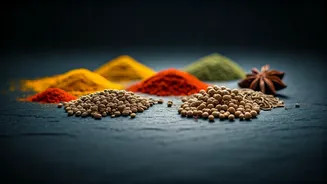
cabinet’s turn. Spices that have been fundamental to Indian cuisine and Ayurvedic medicine for millennia—used in complex, balanced ways—are being isolated and marketed for their individual 'powers.' The turmeric that seasoned countless family dinners is now the star of a $7 anti-inflammatory latte. This isn’t just about health; it’s about signaling. Using these spices is a form of cultural and wellness capital—a way to show you’re in the know.
Turmeric: The Golden Child
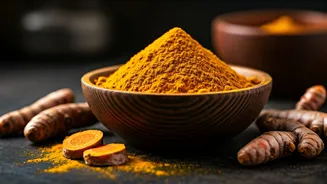
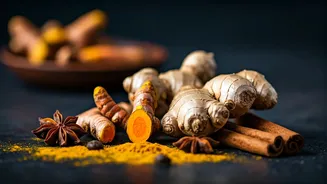
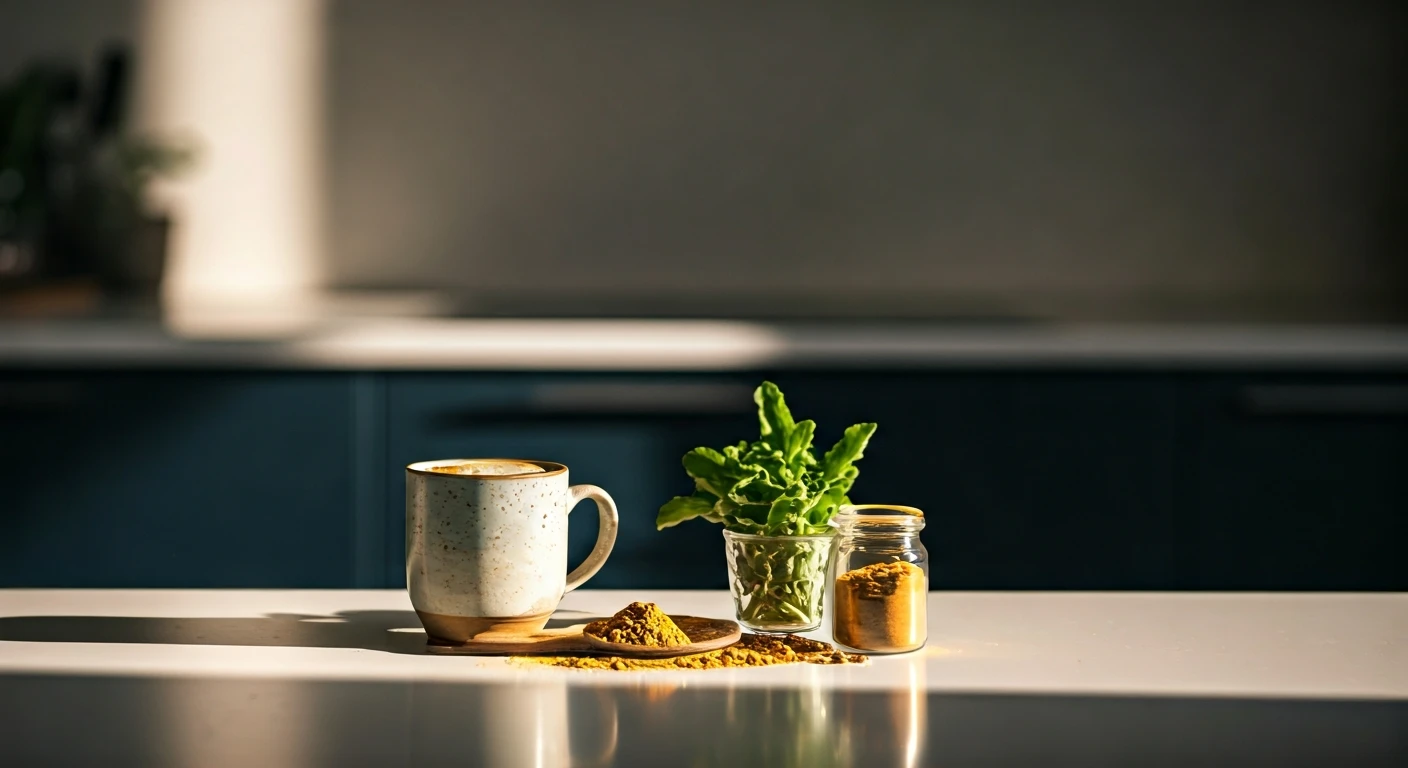
Turmeric is the undisputed star of this movement. Its brilliant yellow-orange hue, courtesy of the compound curcumin, is practically synonymous with 'anti-inflammatory' in wellness circles. While research does suggest curcumin has potent anti-inflammatory and antioxidant properties, its absorption in the body is notoriously poor. Traditional Indian preparations intuitively solved this: turmeric was often cooked with fat (like ghee) and black pepper (containing piperine), both of which dramatically increase curcumin's bioavailability. The modern 'golden milk latte' mimics this, often blending turmeric with a fat source (like oat milk) and a pinch of black pepper, turning ancient wisdom into a trendy, photogenic beverage.
Cardamom: The Aromatic Healer
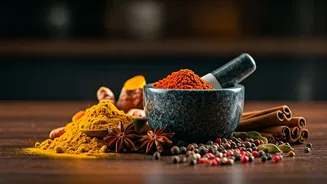
If turmeric is the powerhouse, cardamom is the sophisticated, aromatic cousin. Traditionally used in both sweet and savory dishes, as well as a key component of masala chai, cardamom has been valued for centuries as a digestive aid and breath freshener. In the West, its complex flavor profile—a mix of mint, citrus, and smoke—is being recognized as a mark of premium quality. You’ll find it infusing high-end coffee drinks, artisanal baked goods, and even craft cocktails. Its presence signals a more nuanced, 'gourmet' approach to wellness, moving beyond the purely medicinal to embrace sensory pleasure.
Ginger and Cinnamon: The Comforting Classics
Ginger and cinnamon are hardly new to the American palate, but they're being framed in a new light. Ginger, long known for its ability to soothe upset stomachs and quell nausea, has graduated from ginger ale to become the fiery star of potent 'wellness shots' and detox teas. Its pungent heat is seen as a sign of its cleansing power. Cinnamon, once relegated to apple pie and toast, is now celebrated for its potential to help regulate blood sugar. You’ll find cassia and Ceylon cinnamon varieties discussed on health blogs and sprinkled into everything from protein smoothies to savory 'health bowls,' lending warmth and a hint of sweetness without the sugar.
Appreciation or Appropriation?
This embrace of Indian spices raises important questions. When a turmeric latte costs more than a traditional home-cooked meal it was derived from, what is being valued? The trend can feel extractive, stripping ingredients of their cultural context for commercial gain. However, it can also be a gateway. For consumers, the key is to move from passive consumption to active appreciation. This means seeking out South Asian-owned brands, learning the cultural stories behind the spices, and understanding that their power isn't in a single, expensive drink but in a rich, holistic culinary tradition. The 'flex' shouldn't just be about buying the trendiest new product, but about a genuine curiosity to learn about the cultures that have revered these ingredients for centuries.