



India’s ‘Sea of Milk’
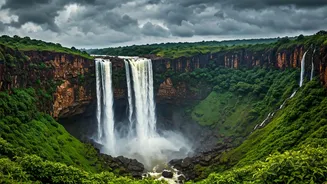
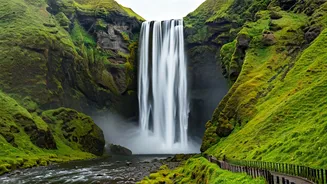
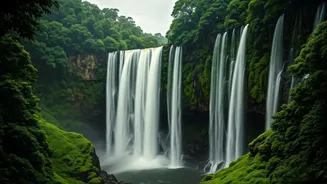
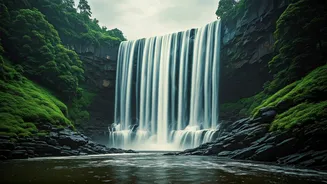
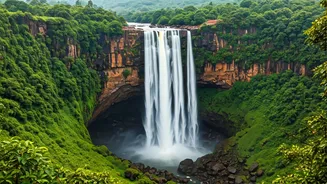
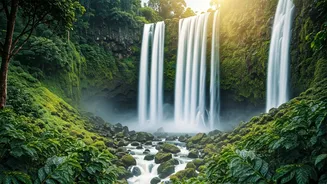
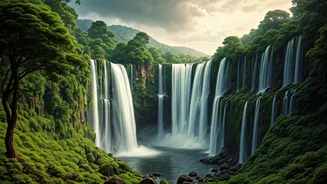
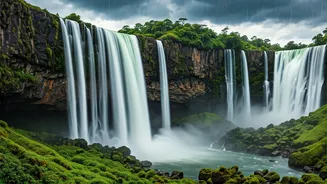
This isn’t a scene from a fantasy film; it’s Dudhsagar Falls, a majestic cascade on the Mandovi River in the Indian state of Goa. The name literally translates to “Sea of Milk,” and when you see it, the name makes perfect sense. Plunging over 1,000 feet
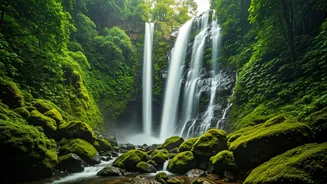
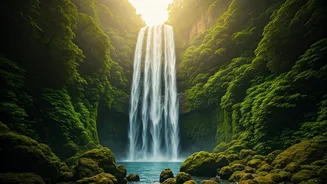
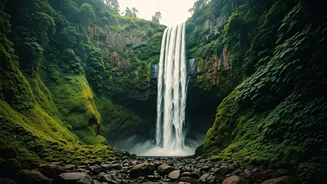
amidst the lush, dense forests of the Western Ghats, Dudhsagar is one of India’s tallest and most powerful waterfalls. During most of the year, it’s a beautiful, multi-stream cascade. But when the annual monsoon rains arrive, it transforms into something else entirely—a single, thunderous torrent of white water that envelops the mountainside in spray and sound. The sheer volume of water creates the illusion of milk, not water, gushing from the rock face, making it an unforgettable spectacle of nature’s raw power.
Why the Monsoon Is Magic
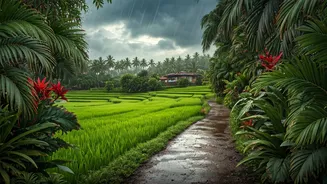
For many travel destinations, the rainy season is the off-season. Not here. The monsoon, typically running from June through September, is prime time for Dudhsagar. The falls are entirely rain-fed, and the relentless downpour swells the river into a force of nature. The surrounding Bhagwan Mahaveer Sanctuary and Mollem National Park burst into a thousand shades of electric green. The air is heavy with the smell of wet earth and blooming flora, and the constant roar of the falls is a soundtrack that you can feel in your chest. While the dry season offers clearer skies and the opportunity to swim in the calmer plunge pool at the base, it’s the monsoon that delivers the epic, awe-inspiring experience the falls are famous for. It’s not just a waterfall you’re seeing; it’s the living, breathing result of a weather system that defines the subcontinent.
The Legendary Train Journey
Much of Dudhsagar's fame comes from the iconic railway line that slices right across its middle. The Braganza Ghat section of the railway is an engineering marvel, and for years, travelers would ride the train specifically for the heart-stopping view as it slowed to a crawl on the bridge. In the past, adventurous tourists might even hop off for an unsanctioned stop. While authorities have since clamped down on this practice for safety reasons, the journey itself remains one of the most scenic train rides in the country. Passengers traveling between Goa and Karnataka are still treated to the spectacular, close-up vista. As the train emerges from a tunnel, the full might of the falls is revealed just feet from your window, showering the carriages in a fine mist. It’s a fleeting but deeply memorable moment that feels like a secret glimpse of a hidden world.
The Off-Road Adventure to the Base
So if you can’t get off the train, how do you experience the falls up close? The most common and thrilling way is by hiring a registered 4x4 jeep from the nearby village of Kulem. This is no simple drive; it's a bone-rattling, off-road safari that’s an adventure in itself. The 45-minute journey takes you through the dense national park, fording streams and navigating muddy, rock-strewn tracks. The jeeps are managed by a local association and regulated by the Forest Department, ensuring the trip is organized, if bumpy. Once you arrive at the designated stopping point, a short, rocky hike brings you to the foot of the falls. From here, you can witness the sheer scale of the cascade and feel the immense power of the water as it crashes into the plunge pool below. It’s a messy, loud, and utterly exhilarating experience.