


The Rise of the Edible Balcony
The dream of a backyard garden has long felt out of reach for millions of American city dwellers. But a shift is happening, driven by a desire for fresher food, a connection to nature, and the simple satisfaction of nurturing something from seed to plate.
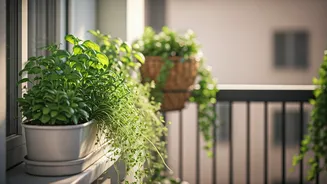
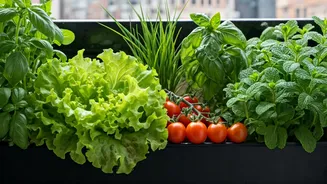
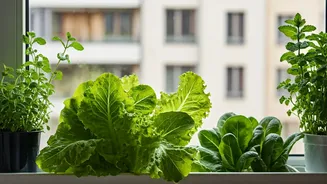
Instead of sprawling plots, urbanites are turning their patios, fire escapes, and balconies into miniature farms. This isn't about self-sufficiency; it’s about access and flavor. It’s about snipping fresh basil for your pasta sauce or grabbing a handful of spinach for a morning smoothie, all without leaving your apartment. This movement values productivity and purpose, transforming ornamental spaces into functional, edible oases.
Why Spinach Is a Small-Space Superstar
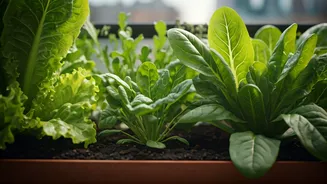
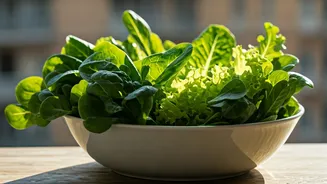
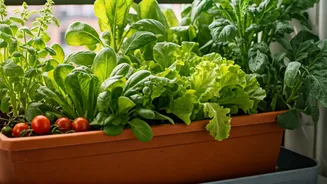
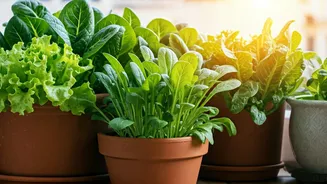
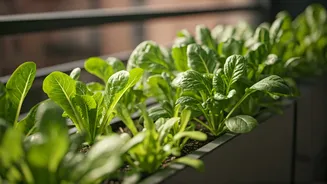
Spinach has emerged as a hero of the container garden for several key reasons. First, it’s a cool-weather crop, meaning you can get in a harvest in the spring and fall, avoiding the brutal heat of mid-summer that can challenge many balcony plants. Second, it's relatively fast-growing, offering gratification in as little as six weeks. Most importantly, spinach is a “cut-and-come-again” green. You can harvest the outer leaves, and the plant will continue to produce new ones from the center, providing a steady supply from a single pot. It also doesn’t require the intense, all-day sun that tomatoes or peppers demand, making it viable for balconies with partial shade. A rectangular planter box just a few feet long can yield enough spinach for salads and side dishes all season long.
The Unbeatable Utility of Fresh Herbs
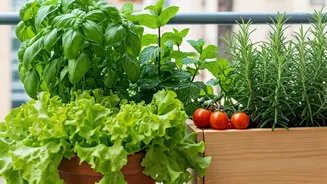
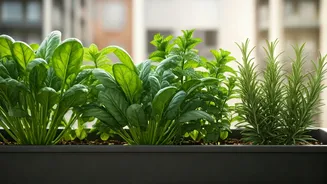
If spinach is the workhorse, herbs are the flavor-packed jewels of the balcony garden. Nothing compares to the potent aroma and taste of fresh herbs, and they are famously easy to grow in containers. A small pot of basil can elevate every summer meal, while a mint plant (best kept in its own container, as it loves to spread) provides endless mojitos and teas. Chives, parsley, rosemary, and thyme are also incredibly resilient and thrive in pots. They require minimal space but deliver a massive culinary return on investment. Growing herbs is often the gateway for new gardeners because the feedback is so immediate—just one snip can transform a dish, providing a powerful and delicious incentive to keep going.
Your Balcony Garden Starter Kit
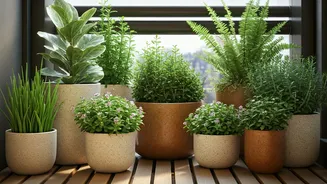
Getting started is less complicated than you might think. You don’t need a fancy, expensive setup. Focus on three basics: containers, soil, and light. For containers, choose pots that are at least 6-8 inches deep to give roots room to grow. Fabric grow bags and self-watering planters are excellent, forgiving options. For soil, always use a high-quality potting mix, not soil from a park or backyard. Potting mix is lightweight, drains well, and is sterilized to be free of pests and diseases. Finally, assess your light. Watch your balcony for a day to see how many hours of direct sun it gets. Most herbs need 6+ hours, while spinach and other lettuces can get by with as few as 3-4 hours.
Simple Steps for Success
Once you have your setup, success comes down to a few simple habits. First, water consistently. Container plants dry out much faster than those in the ground. A good rule of thumb is to stick your finger an inch into the soil; if it feels dry, it’s time to water. Water thoroughly until it runs out of the drainage holes at the bottom. Second, feed your plants. The nutrients in potting mix get depleted over time, so a bi-weekly dose of a balanced liquid fertilizer during the growing season will keep your greens lush. Finally, harvest often. Regularly snipping your herbs and the outer leaves of your spinach encourages the plants to produce more, giving you a bigger and better yield. It’s the best kind of positive reinforcement loop.