

More Than Just Loud Noises
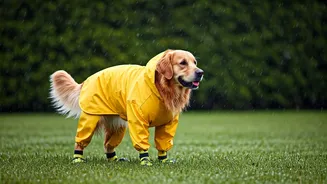
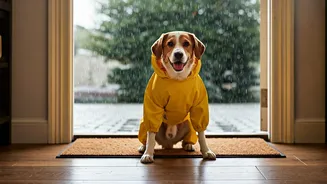
When a storm rolls in, it’s not just the booming thunder that sends our pets scrambling for cover. Their senses are far more acute than ours, and they experience a storm on multiple levels. Many animal behaviorists believe that dogs, in particular, can
feel the drop in barometric pressure that precedes a storm front, creating an early sense of unease. Furthermore, the static electricity in the air can be physically uncomfortable, creating a tingling sensation on their fur and even delivering small, unpleasant shocks. Add in the low-frequency rumbles of distant thunder that we might not even hear, and you have a perfect recipe for anxiety. Their world suddenly feels unpredictable and threatening, and their instinct is to find a safe place to hide.
Unlocking Their Inner Den Animal
This is where the “cosy den” comes in. For both dogs and cats, the instinct to seek out a small, enclosed, and dark space during times of stress is deeply ingrained. In the wild, their ancestors would retreat to dens, burrows, or hidden thickets to escape predators and harsh weather. This behavior is called “denning.” A man-made den provides a modern-day equivalent of that primal safe space. It’s not just about comfort; it’s about control. In an environment that feels chaotic and overwhelming, a den offers a predictable, secure fortress where they can feel protected. The enclosed nature of the space can muffle sounds, block out flashing lights, and provide a sense of physical security that helps lower their heart rate and reduce stress hormones.
How to Build the Perfect Pet Den
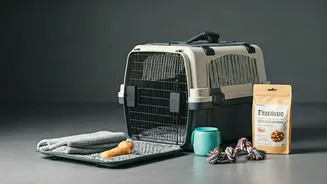
Creating an effective den doesn’t require a major home renovation. The best dens are simple and tailored to your pet’s preferences. Start with a crate, a carrier (with the door removed), or even a designated corner behind a sofa. The key is location: choose a quiet, low-traffic area of your home where the family doesn’t constantly walk past. Line the space with soft, comfortable bedding. An old sweater or blanket that smells like you can be especially comforting. Add one or two favorite toys, but don’t clutter the space. You can enhance the “den-like” feel by draping a blanket over the top of a crate, leaving the front open. The goal is a snug, semi-dark hideaway. Most importantly, never force your pet into the den or use it as a place for punishment. It must always be a voluntary, positive space.
Positive Association is Key
For a den to work during a storm, your pet must already see it as a happy place. Introduce the den during calm, sunny weather. Encourage them to explore it on their own by leaving high-value treats or a new toy inside. When they go in voluntarily, offer quiet praise. You can even feed them some of their meals in or near the den to build a strong, positive association. The goal is for them to understand that the den is their personal suite, a place where only good things happen. If they only experience the den when they are already scared, they may come to associate it with the storm itself, defeating the purpose.
Extra Comfort During the Storm
While a den is a powerful tool, you can supplement it with other calming strategies. Playing calming classical music or white noise can help mask the sounds of the storm. Pheromone diffusers, like Adaptil for dogs or Feliway for cats, release synthetic versions of calming pheromones that can reduce anxiety. A pressure wrap, often called a thunder shirt, can also have a swaddling effect that many pets find soothing. And finally, manage your own anxiety. Pets are highly attuned to our emotions. If you are calm and reassuring, it sends a powerful signal to them that there is no real danger. Your quiet presence near their den can be the most comforting tool of all.