
The Celestial Spectacle: Eclipse Chasing
Once the domain of astronomers and die-hard science fans, chasing total solar eclipses has gone mainstream. The April 2024 eclipse that cut a path across North America wasn't just an astronomical event; it was a full-blown travel phenomenon. Hotels in towns
from Texas to Maine sold out years in advance, and a wave of domestic tourism followed the path of totality. This highlighted a new anchor for travel planning: rare, large-scale natural wonders. Travelers are realizing these events offer a unique purpose and a built-in itinerary. While the next total eclipse in the U.S. isn't until the 2040s, the global calendar is dotted with them. The takeaway? People are increasingly willing to build an entire vacation around a few minutes of celestial magic, and travel companies are taking note. It’s the ultimate limited-time offer from the universe.
The Strategic Shoulder: Spring and Fall Reign Supreme
This isn't a new concept, but its importance has skyrocketed. The “shoulder seasons”—the periods just before and after peak summer—are no longer a secret, but the primary target for experienced travelers. We're talking late April to early June and September to early October. Why now more than ever? First, prices for flights and hotels are noticeably lower than the summer crush. Second, the weather is often better; think pleasant Mediterranean breezes instead of scorching heatwaves. Third, and perhaps most importantly, the crowds are thinner. You can wander the streets of Rome or enjoy the coast of California without feeling like you’re in the middle of Times Square. In an era of over-tourism, securing a more authentic and relaxed experience has become the ultimate travel luxury, and the shoulder season is where you'll find it.
The Olympic Workaround: The Paris ‘Pre-Game’
Major global events like the Olympics or the World Cup are magnets for crowds and sky-high prices. The savvy traveler’s playbook isn’t to avoid these host cities entirely, but to time their visit strategically. For the Paris 2024 Olympics, for example, the calendar-watchers weren’t booking for late July; they were booking for May and June. This “pre-game” strategy allows you to enjoy all the energy and pristine polish of a city spruced up for the world stage—new infrastructure, city-wide decorations, a palpable buzz of excitement—without the logistical nightmare of the event itself. You get the pre-party vibe, cleaner streets, and normal-ish prices. The same logic applies after the closing ceremony, when a collective sigh of relief (and a wave of flight deals) descends upon the city.
The Climate Escape: Say Hello to the ‘Coolcation’
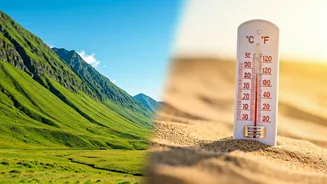
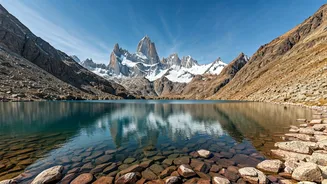
As summer temperatures in traditional hotspots like Southern Europe and the Caribbean climb to record-breaking highs, a new travel trend has emerged: the “coolcation.” Instead of leaning into the heat, travelers are actively seeking refuge from it. This has put a whole new set of destinations on the summer map. Think Scandinavia, with its majestic fjords and chic, temperate cities like Copenhagen and Stockholm. Consider the Canadian Rockies, the coast of Maine, or even an Alaskan cruise. These places offer breathtaking scenery and outdoor activities without the risk of heat exhaustion. It’s a practical response to a changing climate that is fundamentally reshaping the definition of a perfect summer getaway, prioritizing comfort and nature over a guaranteed tan.
The Festive Season Hack: Early December Magic
Everyone loves the twinkle of holiday lights, but not the chaos of holiday travel. The week between Christmas and New Year's is famously one of the most expensive and crowded times to go anywhere. The solution? Move your festive trip up. The first two weeks of December are the sweet spot. European Christmas markets, from Germany to Austria, are in full swing, but the peak crowds haven't arrived yet. In the U.S., cities like New York and Chicago are fully decorated and bursting with holiday cheer, but you can still find a dinner reservation. You get all the festive atmosphere—the mulled wine, the decorated trees, the holiday spirit—with lower costs and fewer elbows, making for a much more magical experience.