







Ignoring That Little Warning Light
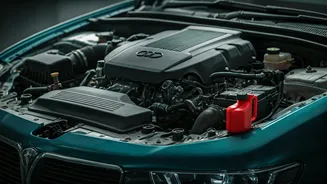
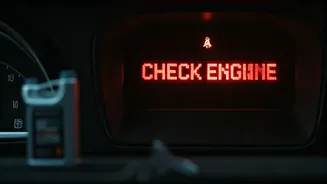
That glowing check engine light on your dashboard is your car’s way of trying to tell you something. While it can be tempting to ignore it, hoping it will just go away, doing so is a high-stakes gamble. The light could indicate anything from a loose gas
cap (a simple fix) to a serious engine misfire that could destroy your catalytic converter (a four-figure repair). Many auto parts stores will read the diagnostic code for free, giving you a starting point. Addressing a small problem flagged by a warning light today is almost always cheaper than fixing the major failure it will become tomorrow.
Forgetting About Your Tires
Tires are your car's only point of contact with the road, yet they are one of the most neglected components. Driving on improperly inflated tires is a triple threat: it hurts fuel economy, causes premature and uneven wear, and compromises handling and braking performance, which is a major safety risk. Check your tire pressure monthly using a reliable gauge—the correct pressure is listed on a sticker inside the driver’s door jamb, not on the tire itself. Equally important is rotating your tires every 5,000 to 7,500 miles. This ensures they wear evenly, maximizing their lifespan and saving you from buying a new set too soon.
Sticking to 'Oil Changes Only'
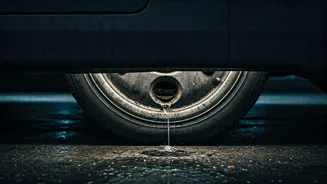
Regular oil changes are non-negotiable, but oil is not the only vital fluid in your vehicle. Your transmission fluid, brake fluid, coolant, and power steering fluid all degrade over time and need to be changed at specific intervals. Old, dirty transmission fluid can lead to jerky shifting and, eventually, a complete transmission failure—one of the most expensive repairs imaginable. Similarly, old brake fluid can absorb water, reducing braking effectiveness. Your owner’s manual provides a detailed schedule for all fluid changes. Following it is the key to ensuring your car’s core systems remain healthy for the long haul.
Driving Like You're at the Racetrack
How you drive has a direct impact on how long your car's components last. While it can be fun to slam on the gas at a green light or brake hard at the last second, this aggressive driving style puts immense stress on your vehicle. Hard acceleration and braking accelerate wear on your engine, transmission, brakes, and tires. You’ll find yourself replacing brake pads and rotors far more often, and the strain on your suspension components can lead to costly repairs down the line. A smoother driving style isn’t just safer and more fuel-efficient; it’s a simple, free way to reduce wear and tear.
Using the Wrong Products
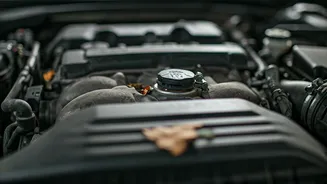
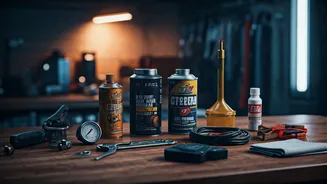
Not all car products are created equal, and using the wrong one can cause serious damage. This goes beyond accidentally putting diesel in a gasoline engine. Using the wrong type of oil (e.g., conventional when synthetic is required) can harm your engine. Pouring the wrong coolant can cause corrosion. Even using dish soap to wash your car can strip away the protective wax and clear coat, leaving the paint vulnerable to fading and oxidation. Always check your owner’s manual for the specific type of fuel, oil, and fluids your car needs, and use cleaning products specifically designed for automotive use.
Sweating the Big Stuff, Ignoring the Small
It’s easy to focus on the engine and transmission while letting the little things slide. But small-scale neglect can lead to big problems. A torn wiper blade might not seem like a big deal until you’re caught in a downpour and can't see the road. A clogged engine air filter can reduce horsepower and fuel efficiency. A dirty cabin air filter can make your car's interior smell musty and force your AC system to work harder. These items are inexpensive and often easy to replace yourself, yet they have an outsized impact on your car's safety, performance, and your comfort.