





From Faded Grandeur to New Life
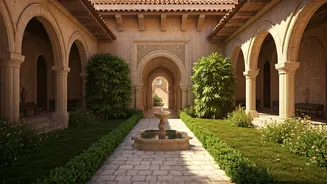
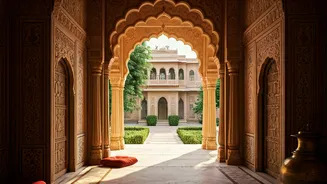
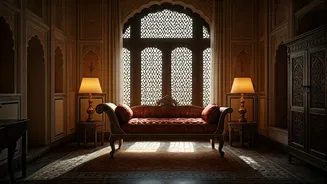
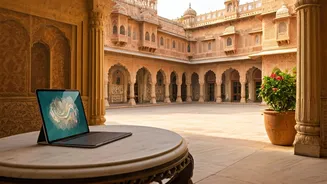
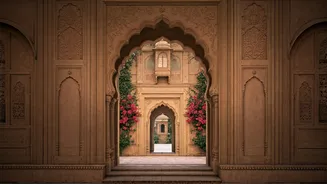
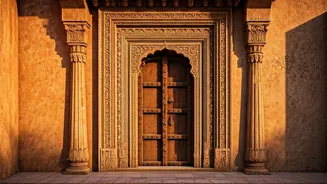
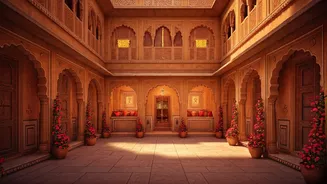
For decades, many of Jaipur’s historic havelis—the grand, multi-courtyard townhouses of merchants and nobles—sat in quiet decline. These architectural gems, with their intricate latticework screens (jalis), hand-painted frescoes, and sprawling inner courtyards,
were often too expensive for modern families to maintain. As generations moved on, the structures that once symbolized the city’s opulent trading history were either crumbling or being carved up into smaller, less distinguished spaces. They were the forgotten heart of the old city, beautiful but silent.
But a powerful preservationist current is changing that narrative. A new generation of hoteliers, designers, and entrepreneurs is recognizing the immense cultural value locked within these walls. They are undertaking the painstaking work of not just renovating, but truly restoring these properties, breathing life back into the faded grandeur of Rajasthan’s capital.
The Alchemy of Restoration
This is not a simple construction project. Restoring a haveli is an act of cultural archaeology. The goal is to peel back layers of neglect without erasing the building's soul. Artisans skilled in centuries-old techniques are brought in to repair delicate frescoes using traditional pigments. Stonemasons meticulously replace broken jalis, and local craftspeople furnish the interiors with block-printed textiles and bespoke furniture that honor the region’s heritage.
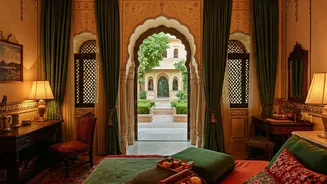
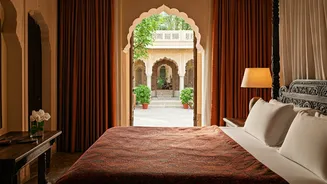
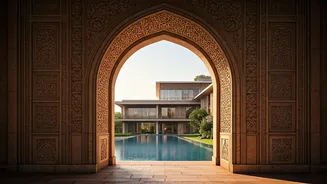
Properties like The Johri, nestled in the city's iconic jewelry market, exemplify this philosophy. Once a merchant’s home, it has been transformed into a lavish boutique hotel where each suite is named after a different gemstone. The restoration preserved the original structure while infusing it with contemporary luxury, creating a space that feels both historic and vibrantly alive. It’s a delicate balance between honoring the past and catering to the modern, discerning traveler.
A New Definition of Luxury
The rise of these heritage properties is transforming what luxury means in Jaipur. It’s a shift away from the impersonal scale of massive international hotel chains and toward something deeply personal and place-based. Staying in a restored haveli like Samode Haveli or the intimate 47 Jobner Bagh is not just about a comfortable bed; it's an immersive experience.
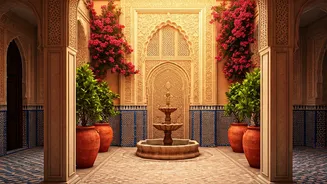
Guests wake up to the sound of birds in a bougainvillea-filled courtyard, not the hum of an elevator. Breakfast is served in a sun-drenched veranda, not a sprawling buffet hall. The service is often personal, with staff who have deep ties to the property and the neighborhood. This model offers an unparalleled sense of authenticity—a chance to feel like a guest in a magnificent private home rather than just another tourist. It's a quiet, bespoke luxury that resonates with travelers seeking connection over sheer extravagance.
Reshaping the Tourist Map
This trend does more than just add new hotel rooms; it redraws Jaipur’s tourism landscape. By scattering high-end, culturally rich accommodations throughout the old walled city and its surrounding neighborhoods, these properties encourage a different kind of exploration. Visitors are no longer confined to the main tourist circuit of Amber Fort, City Palace, and Hawa Mahal.
They now have a reason to wander the winding lanes of the Johari Bazaar or discover lesser-known temples and artisan workshops. This decentralization spreads the economic benefits of tourism more widely, directly supporting local communities and craft economies. It fosters a slower, more intentional form of travel, where the journey through the city’s living, breathing neighborhoods becomes as important as the destination itself.