





The Science of Scraps
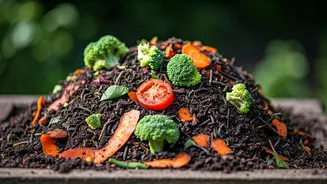
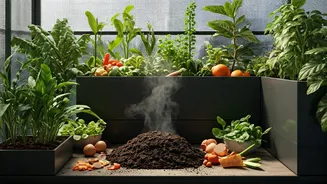
At its heart, creating rich soil from kitchen waste is all about composting. This natural process breaks down organic material into a dark, crumbly, nutrient-dense substance called humus. Healthy compost requires a balance of two key ingredients: “greens”
and “browns.” “Greens” are nitrogen-rich materials that provide the proteins and amino acids microorganisms need to multiply. Think fresh grass clippings, coffee grounds, and, yes, your tea leaves and vegetable peels. They are the fuel for the compost engine. “Browns” are carbon-rich materials that provide energy for the microbes and add bulk to your pile, preventing it from becoming a slimy, smelly mess. Common browns include dried leaves, cardboard, newspaper, and sawdust. The ideal compost pile has a ratio of about two to three parts browns to one part greens, creating the perfect environment for decomposition without the odor.
The Power in Your Tea Cup
Used tea leaves are a fantastic addition to any compost system. As they decompose, they release nitrogen and tannic acid, which help create the fertile, slightly acidic soil that many plants thrive in. This makes them particularly beneficial for acid-loving plants like roses, hydrangeas, ferns, and blueberries. The fine texture of the leaves also improves soil structure, helping with drainage and aeration. A word of caution: not all tea bags are created equal. Many are made with polypropylene, a type of plastic that won't break down. Before you toss the whole bag in, check the packaging to see if it’s certified compostable. To be safe, it's often best to tear the bag open, empty the leaves into your compost, and discard the bag, string, and staple.
A Roster of Helpful Peels
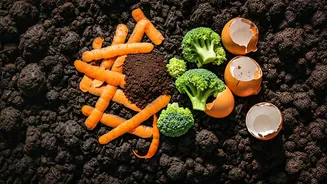
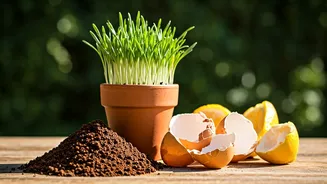
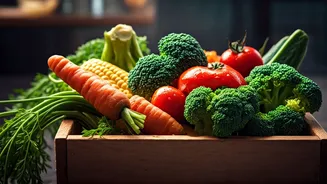
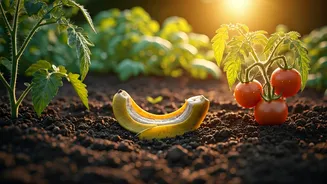
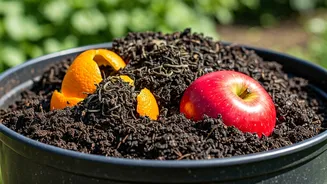
The peels you discard are a treasure trove of micronutrients that can address specific needs in your garden soil. * **Banana Peels:** Famous for their high potassium content, banana peels are a superstar for flowering and fruiting plants. Potassium aids in water and nutrient transport within the plant and strengthens it against disease. You can chop them up and add them directly to your compost or even bury them a few inches deep near the base of plants like tomatoes and roses. * **Citrus Peels:** Orange, lemon, and grapefruit rinds add nitrogen to your pile. While some worry about their acidity, in a balanced compost pile, this isn't an issue. In fact, their strong scent can help deter some pests. Just chop them into smaller pieces to help them break down faster. * **Vegetable Peels:** Scraps from potatoes, carrots, cucumbers, and zucchini are compost all-stars. They decompose quickly and add a wide array of vitamins and minerals to the mix, creating a well-rounded soil amendment.
Three Easy Ways to Get Started
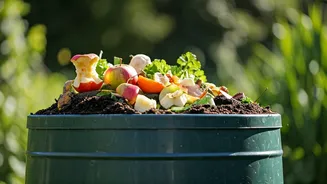
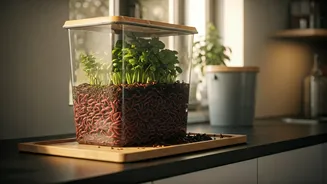
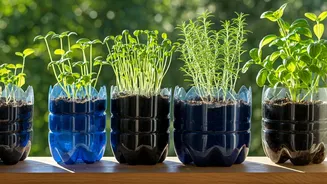
You don’t need a huge backyard or a complicated setup to start composting your kitchen scraps. 1. **Direct Burial (Trench Composting):** This is the simplest method. Just dig a hole or a small trench about 8-12 inches deep in your garden bed, drop in your daily tea leaves and peels, and cover it back up with soil. The worms and microbes will do the rest, enriching the soil right where your plants need it. 2. **A Simple Pile or Bin:** If you have the space, designate a corner of your yard for a compost pile. You can buy a commercial bin or simply start a heap, layering your kitchen “greens” with “browns” like fall leaves or shredded paper. Turn it with a pitchfork every week or two to aerate it. 3. **Countertop & Balcony Options:** For those in apartments or with no yard, a countertop compost pail is a great way to collect scraps. You can then contribute them to a community garden or use a specialized system like a worm bin (vermicomposting) or a Bokashi bin, both of which are designed for small, indoor spaces and produce potent liquid fertilizer.
What to Leave Out of the Mix
While most fruit and vegetable waste is great for compost, some items should be avoided in a typical home pile. These materials can create foul odors, attract rodents and other pests, or harbor pathogens. Steer clear of: * Meat, fish, and bones * Dairy products like cheese, yogurt, and milk * Oily or greasy foods * Cooked leftovers (which are often oily or salted) * Pet waste Additionally, be mindful of non-organic produce that may be coated in wax or pesticides. While a small amount is unlikely to harm your pile, it’s always best to prioritize peels from organic sources when possible.