


Redefining the 'Healthy' Label
For many Americans, Indian food conjures images of rich, creamy curries, deep-fried pakoras, and ghee-laden breads—delicious, but often reserved for a weekend splurge. But for a growing number of young, urban Indians, the culinary landscape is shifting.
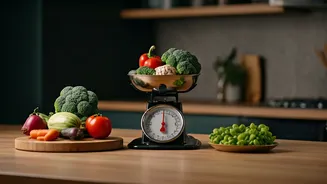
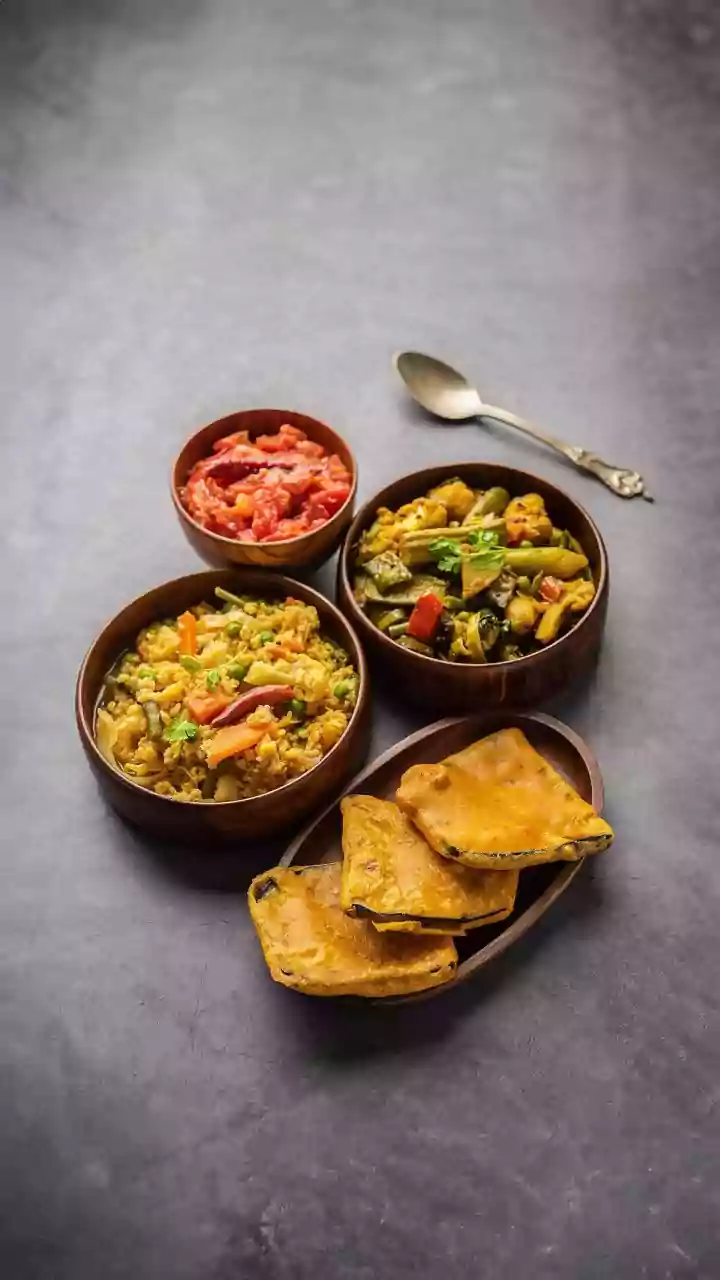
They are at the forefront of a movement that champions “healthy indulgence,” a concept that rejects bland, restrictive diet food in favor of nutrient-dense ingredients and smarter cooking methods that don’t sacrifice flavor or satisfaction. This trend isn’t about eating a sad salad instead of a flavorful meal. It's about innovation meeting tradition. Think of a crispy dosa, a classic South Indian crepe, now made with a protein-rich blend of millets and lentils instead of just rice. Or picture a chocolate brownie that gets its fudgy texture from sweet potatoes and its sweetness from dates and jaggery, an unrefined cane sugar. It’s the same comfort, the same satisfying experience, but with a nutritional profile that aligns with a modern wellness mindset.
The Global Wellness Wave Meets Indian Roots
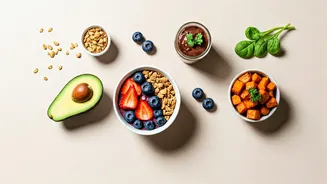
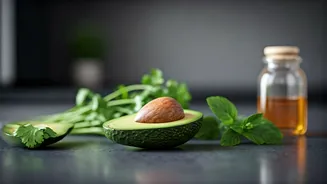
This movement is fueled by a perfect storm of global and local forces. Like their counterparts in the U.S. and Europe, young Indians are highly connected and influenced by global wellness trends seen on Instagram and TikTok. The visual language of smoothie bowls, avocado toast, and clean-eating hashtags has found a receptive audience in cities like Mumbai, Bangalore, and Delhi. This generation is digitally native, health-literate, and keenly aware of concepts like gut health, clean protein, and mindful eating.
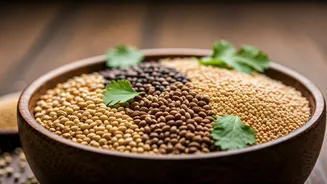
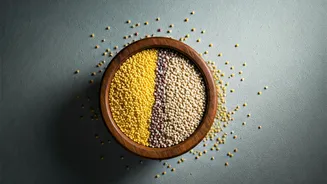
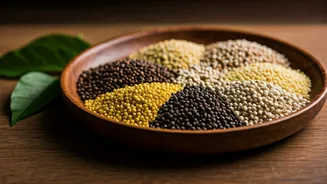
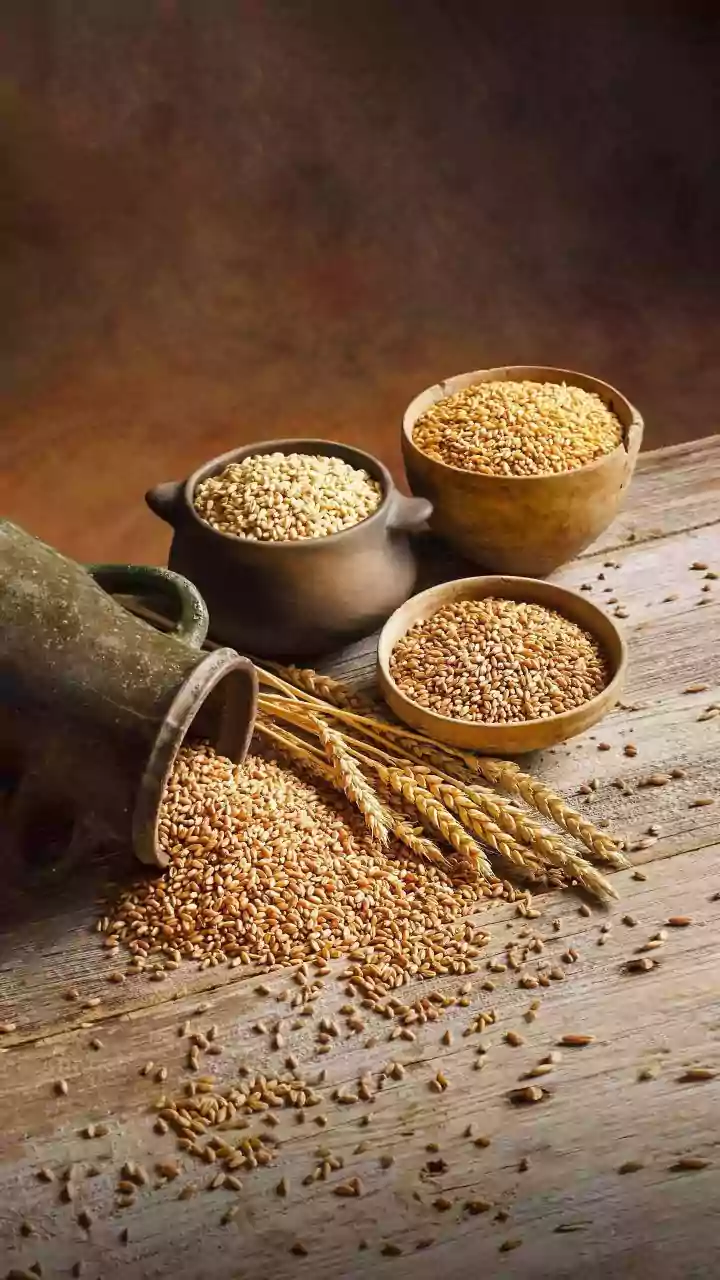
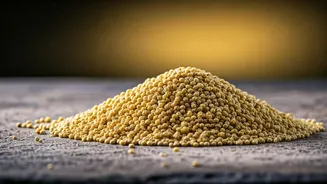
However, they aren’t simply importing Western fads. Instead, they are applying this new wellness lens to their own culinary heritage. The trend has sparked a massive revival of ancient Indian superfoods that were once considered humble or old-fashioned. Grains like ragi (finger millet), jowar (sorghum), and amaranth are making a huge comeback. These indigenous crops are naturally gluten-free, high in fiber and protein, and environmentally resilient—a point of pride that connects modern health goals with a sense of cultural authenticity.
Startups Serving Up Convenience and Trust
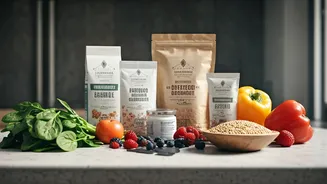
This demand didn't just appear in a vacuum; it’s being met and amplified by a vibrant startup ecosystem. India has seen an explosion of direct-to-consumer (D2C) food brands that speak directly to the values of this generation. Companies with names like The Whole Truth, Slurrp Farm, and True Elements are building loyal followings with slick branding, transparent ingredient lists, and a promise of “no hidden junk.”
They offer everything from millet-based breakfast cereals and quinoa puffs to protein bars made with nuts and seeds, all packaged for a busy, urban lifestyle. Their marketing is savvy, often using social media influencers to explain the benefits of their products in a relatable way. They have effectively made nutritious food cool, convenient, and aspirational. Instead of a complicated recipe, a young professional can now buy a pre-made, healthy-yet-tasty pancake mix or grab a guilt-free chocolate bar, making the choice to eat well effortless.
Food as an Experience, Not a Sacrifice
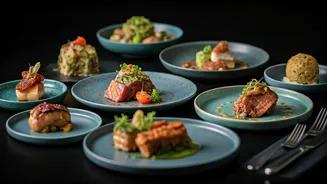
Ultimately, the healthy indulgence trend is about a fundamental shift in mindset. It rejects the binary choice between food that is “good for you” and food that “tastes good.” For this demographic, the two are not mutually exclusive. They are looking for food that delivers on multiple fronts: it has to be nutritionally sound, aesthetically pleasing (for the Instagram feed, of course), rooted in a story they can connect with, and above all, deeply satisfying.
They aren't giving up their favorite desserts; they're finding versions made with almond flour and natural sweeteners. They aren't abandoning snacks; they're swapping fried potato chips for baked lentil crisps or roasted makhana (fox nuts). This approach is less about calorie-counting and more about a holistic sense of well-being, where pleasure is a key part of the equation.