






Understanding 'Seasonal' Gut Woes
The claim of an “instant fix” is a big one, so let’s ground this in reality. Your gut doesn’t have a calendar, but its environment is profoundly affected by seasonal shifts in your life. Think about it: winter often means heavier, richer foods and less
outdoor activity. Summer brings fresh produce but also travel and disrupted schedules. These changes in diet, stress, and routine can alter the delicate balance of your gut microbiome—the trillions of bacteria living in your digestive tract. This can lead to bloating, irregularity, and general discomfort, often referred to as “seasonal gut woes.” The goal isn’t to find a magic potion, but to gently support your system as it adapts.
Probiotics: Your Gut's Allies
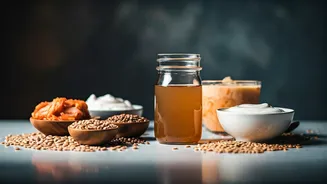
This is where probiotics come in. Probiotics are live microorganisms, often called “good” or “friendly” bacteria, that can provide health benefits when consumed. You’ve likely seen them advertised in yogurt, but they are also the stars of fermented tonics. The theory is that by introducing these beneficial microbes, you can help support a healthy, diverse gut microbiome. A balanced microbiome is associated with better digestion, a well-functioning immune system, and even mood regulation. While commercially available supplements exist, making your own fermented drinks offers a natural, food-based way to introduce a variety of these helpful bacteria into your diet.
Meet Your New Kitchen Projects
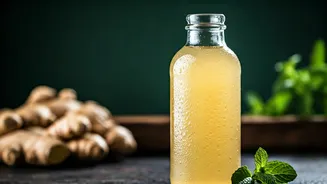
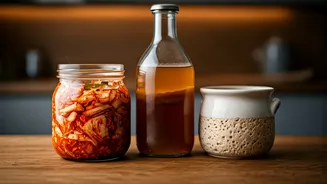
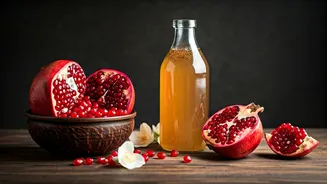
Getting into fermentation is easier than you might think. Two popular entry points are kombucha and water kefir. **Kombucha:** This is a fizzy, slightly sour, and sweet tea created by fermenting sweetened black or green tea with a SCOBY (Symbiotic Culture of Bacteria and Yeast). The SCOBY, a rubbery disc, is the workhorse that transforms the tea into a probiotic-rich beverage. You can flavor it with fruit, herbs, or spices during a second fermentation. **Water Kefir:** For a non-caffeinated, dairy-free option, water kefir is perfect. It's made by fermenting sugar water with “kefir grains”—not actual grains, but gelatinous structures of bacteria and yeast. The result is a light, bubbly, soda-like drink that is an excellent vehicle for different fruit flavors. Both are ongoing projects that require a little care but reward you with a continuous supply of homemade tonic.
Reality Check: It’s a Process, Not a Potion
Let's be clear: no single drink will “instantly fix” your gut health. Building a resilient microbiome is a long-term game, not a quick-win. Incorporating homemade fermented tonics is about consistency. You’re adding a tool to your wellness toolkit, not deploying a miracle cure. The benefits come from regularly consuming these drinks over time, allowing the beneficial microbes to become part of your gut’s ecosystem. Think of it like tending a garden; you don’t see results overnight. You provide water, nutrients, and care, and over time, the garden flourishes. These tonics are part of that ongoing care for your internal garden.
Safety First: Smart Fermentation
Making your own ferments is a safe and rewarding hobby, but you must prioritize food safety. Because you are cultivating live organisms, you need to ensure the right ones thrive. Always start with impeccably clean jars, utensils, and hands to avoid introducing harmful bacteria. Follow trusted recipes from reputable sources, especially when you’re new. Watch for signs of spoilage, like fuzzy black or green mold (different from a healthy SCOBY or yeast strands), or truly foul, “off” smells. If something seems wrong, the cardinal rule is: when in doubt, throw it out. Starting with a kit or a culture from a trusted friend or supplier can also set you up for success.