



Beyond the Childhood Fantasy
The allure of a treehouse is primal. For many, it evokes a specific brand of childhood nostalgia—a secret fort, a hideaway among the leaves, a world removed from adult supervision. But the modern treehouse stay transcends this simple fantasy. While the novelty
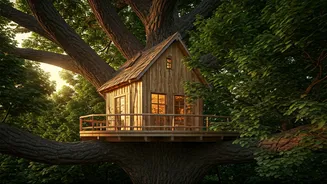
is undeniable, the real magic lies in what the experience demands of you: a shift in perspective, both literally and figuratively. Elevated a dozen or more feet off the ground, you are no longer a visitor walking through the woods; you are a resident of the forest canopy. This change in elevation is the first step toward a deeper, more intentional connection with your surroundings.
The Architecture of Disconnection
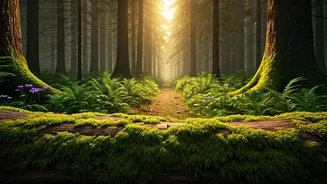
By design, treehouses are built for immersion. Their structure often features sprawling windows, wraparound decks, and an open-air feel that blurs the line between inside and out. You don’t just look at nature; you live within it. The sound of wind rustling through leaves becomes your ambient noise. The morning light, filtered through the branches, becomes your alarm clock. The swaying of the structure in a strong breeze is a gentle reminder of the living ecosystem you’re a part of. This isn’t a sterile hotel room with a 'nature view.' It’s a purpose-built vessel for observation, encouraging you to notice the small details—the scurry of a squirrel on a nearby branch, the shifting patterns of light on the forest floor, the distant call of an owl at dusk.
Embracing a Slower Rhythm
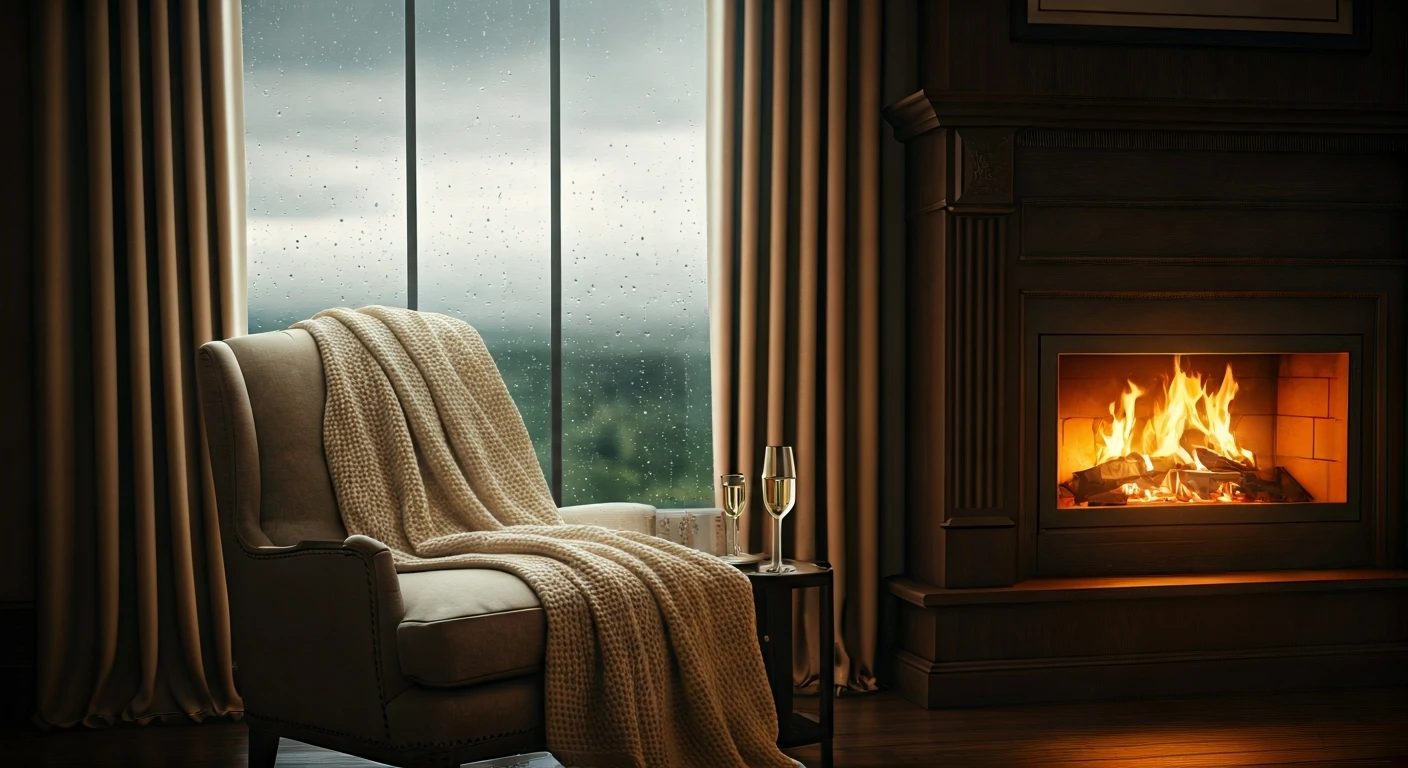
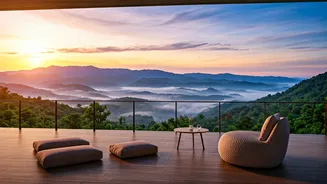
A 'slow nature escape' is defined by a lack of obligation. In a treehouse, the day unfolds at its own pace. With limited distractions and often no Wi-Fi, the temptation to check emails or scroll through feeds evaporates. Instead, the day’s main events might be brewing coffee on a porch overlooking a misty valley, reading a book in a hammock, or simply watching the sunset. This environment naturally quiets the mind. The pressure to 'do' is replaced by the permission to 'be.' Your schedule is dictated not by a clock, but by hunger, by the position of the sun, and by your own curiosity. It’s a return to a more intuitive way of living, where rest is not a luxury but the main activity.
The Comforts of Simplicity
While some luxury treehouses offer every imaginable amenity, many of the most authentic options embrace a charming simplicity. You might find a composting toilet, an outdoor shower, or a small kitchenette instead of a full kitchen. Rather than being drawbacks, these features are part of the appeal. They gently nudge you toward a more mindful consumption of resources and a greater appreciation for the basics. Hauling your gear up a spiral staircase or navigating a rope bridge to your front door adds a sense of deliberate, rewarding effort to the simple act of arrival. This isn't roughing it; it’s an intentional curation of comfort, where the focus is on what’s truly essential for a peaceful retreat.
Finding Your Perch
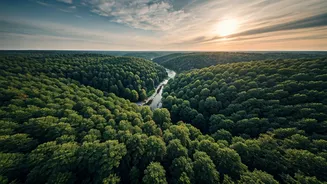
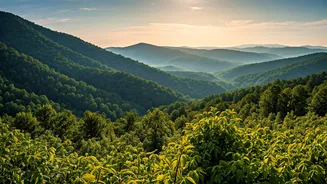
The treehouse trend has taken root across the United States, with distinct regional flavors. The lush forests of the Pacific Northwest and the rolling hills of the Appalachians are hotspots, offering secluded getaways deep in the wilderness. You’ll also find them tucked into the woods of New England and the South. When searching on rental sites, look for listings that emphasize privacy, natural beauty, and the very amenities they lack, like 'no Wi-Fi' or 'off-grid.' Read the reviews carefully, paying attention to what guests say about the sense of peace and seclusion. The best treehouse for a slow escape may not be the one with the most features, but the one that best facilitates a quiet connection with the world outside your window.