



Beyond Just Fast: The New Practical
For a long time, the only promise convenience food made was speed. The trade-off was quality, flavor, and nutrition. Today, that bargain has been renegotiated. The new generation of convenience food understands that “practical” means more than just saving
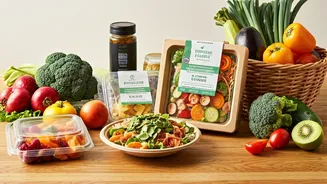
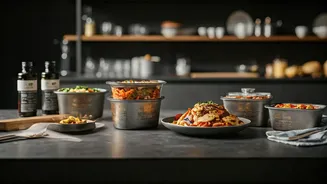
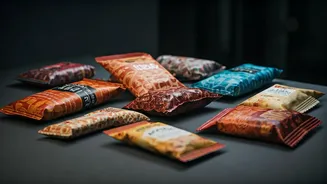
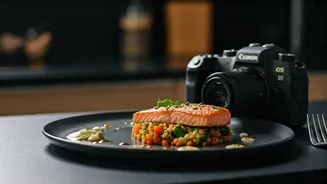
time; it means solving a real-life dinner problem without feeling like you’ve failed. This shift is driven by innovation in both preparation and packaging. Companies like Kevin’s Natural Foods offer vacuum-sealed sous-vide chicken, steak, and salmon entrees that are fully cooked and seasoned; you just heat the protein in a pan for five minutes and add the included sauce. It’s a restaurant-quality meal that feels like real cooking but takes less time than ordering a pizza. Similarly, the meal kit industry, once dominated by complex recipes requiring 45 minutes of chopping and stirring, has pivoted. Services like Gobble and a revitalized Blue Apron now offer “15-minute meals” with pre-chopped vegetables and pre-made sauces, removing the tedious prep work while keeping the satisfying final step of cooking.
A Taste of Place, Not a Factory
Perhaps the most exciting development is the move toward regionality. Old-school convenience food treated the American palate as a monolith, offering generic Italian, Mexican, or Chinese-American dishes that tasted like they came from a central-casting kitchen. But today’s consumers, exposed to a world of flavor through travel and media, want authenticity.
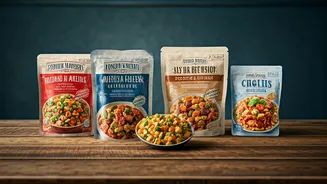
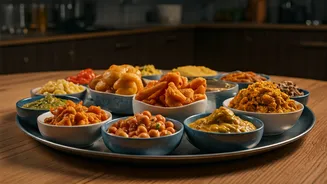
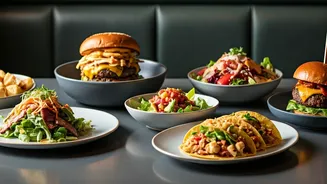
Enter the regional ready-meal. Now you can find frozen or refrigerated entrees that celebrate specific American culinary traditions. Think Louisiana-style étouffée from a brand that understands roux, or a New England clam chowder that doesn’t skimp on the clams. Small, nimble companies are popping up to serve specific markets, offering Texas-style chili in the Southwest or bright, herb-filled Filipino chicken adobo in areas with large Filipino-American communities. This isn’t just about exotic flavors; it’s about providing a taste of home, or a taste of a place you love, on a busy Tuesday night. It acknowledges that the U.S. isn’t one food culture, but dozens.
Smarter by Design
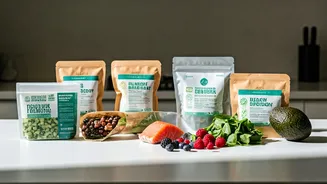
The “smarter” evolution of convenience food is happening on two fronts: nutrition and ethics. First, brands are finally cleaning up their ingredient lists. Where a frozen lasagna once had a paragraph of preservatives, stabilizers, and artificial flavors, new options from companies like Primal Kitchen or Amy's Kitchen boast recognizable, whole-food ingredients. This isn't just about being “healthy”; it's about transparency. Consumers want to know what they’re eating, and brands are responding.
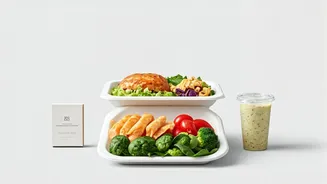
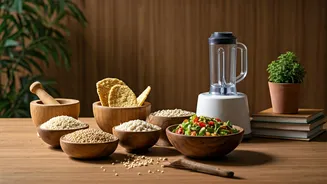
This intelligence extends to catering to specific dietary needs. The freezer aisle is no longer a wasteland for those who are vegan, gluten-free, keto, or paleo. Services like Daily Harvest and Splendid Spoon deliver plant-based, nutrient-dense smoothies and grain bowls, while brands like Realgood Foods offer low-carb versions of comfort classics like enchiladas and pizza. The second part of the “smarter” equation is sustainability. Companies are increasingly using recyclable or compostable packaging, highlighting ethically sourced ingredients, and working to reduce food waste in their production chains. It’s food that’s not only smarter for your body but also smarter for the planet.