

The Great Green Transformation
For much of the year, the rolling hills and plateaus of Maharashtra, home to the bustling metropolis of Mumbai, can be dry and sun-scorched. But when the monsoon clouds roll in from the Arabian Sea, typically from June to September, a dramatic metamorphosis
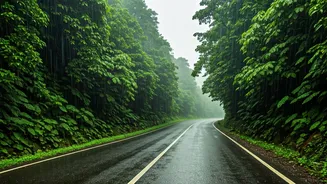
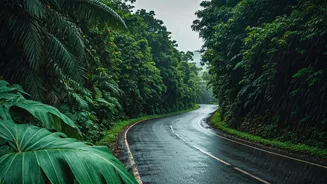
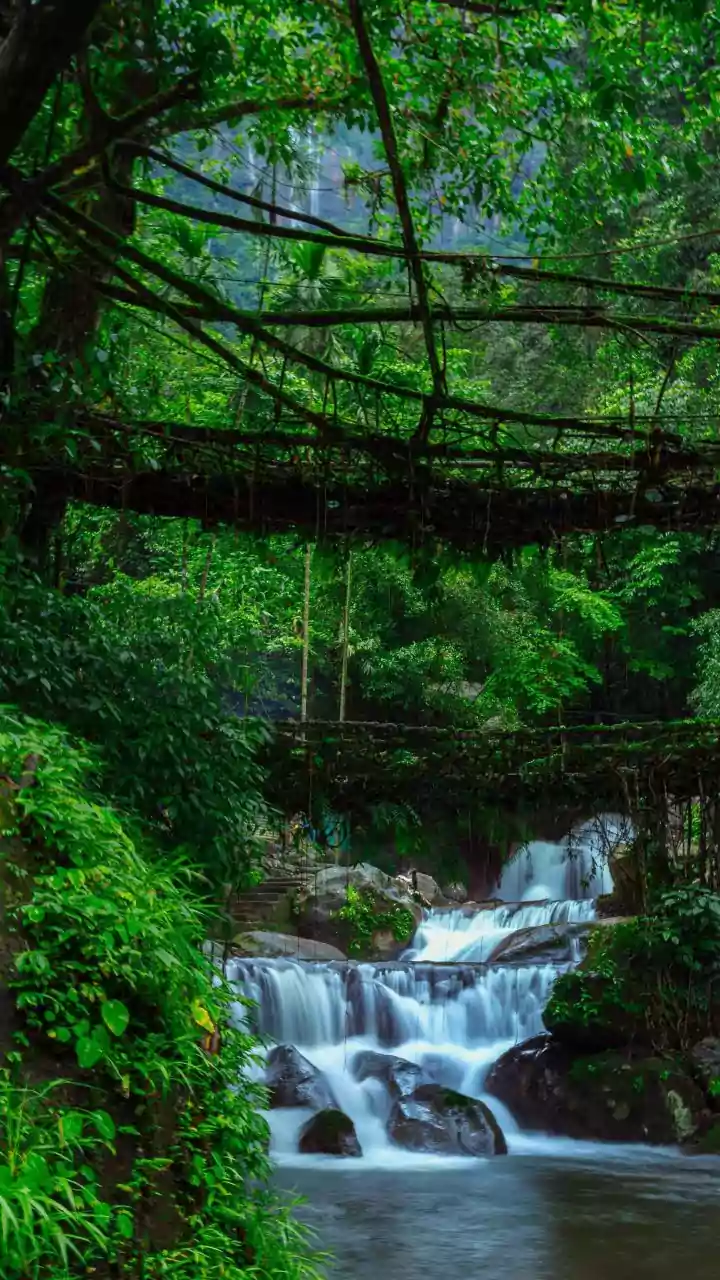
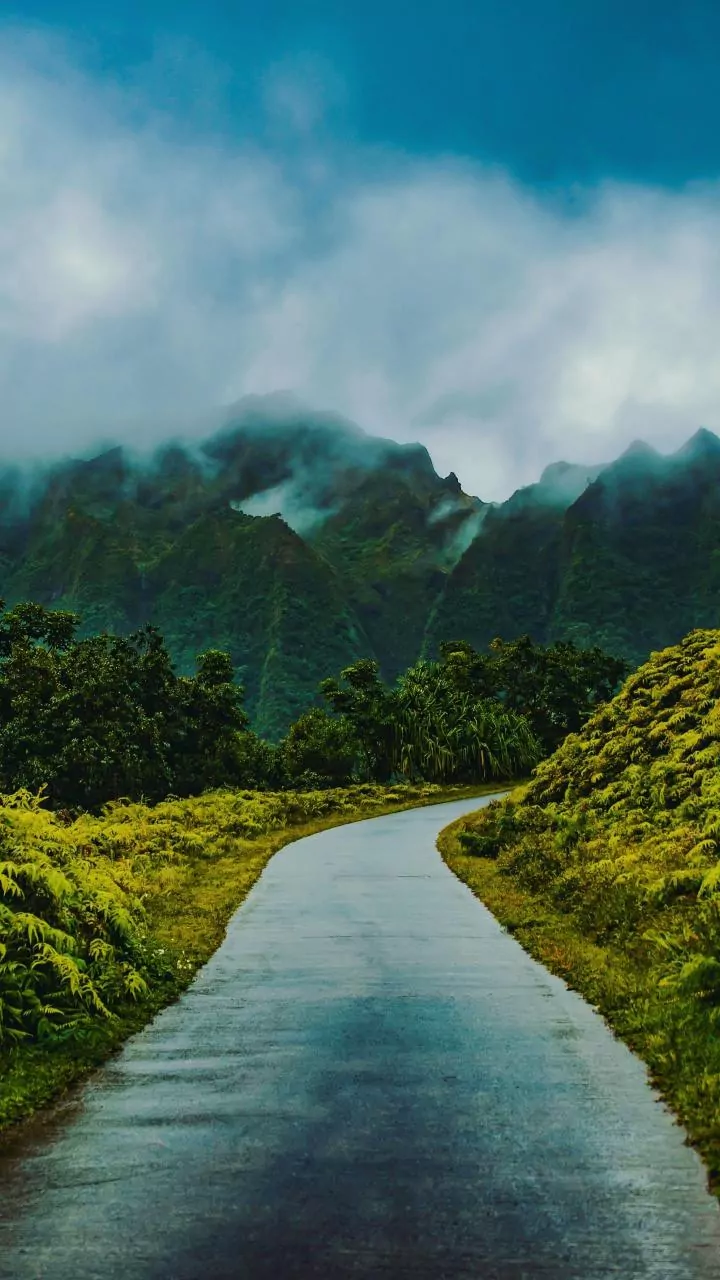
occurs. The color palette shifts from dusty brown to an impossible spectrum of greens. Parched riverbeds swell into rushing torrents, and dormant waterfalls cascade down the ancient, terraced cliffs of the Western Ghats, a UNESCO World Heritage mountain range. The smell of petrichor—the earthy scent of rain on dry soil—hangs in the air. For locals and a growing number of intrepid travelers, this isn't a time to stay indoors; it's a celebrated season of renewal and profound natural beauty.
Where the Monsoon Magic Happens
While city streets in Mumbai can struggle with the deluge, the countryside offers a different story. Hill stations near the coast become ethereal wonderlands. Places like Lonavala and Khandala, a short drive from Mumbai, are draped in mist, with vendors selling roasted corn on the cob and hot, spiced tea to visitors enjoying the cool, damp air. Further south, Mahabaleshwar, a former summer capital of the British Raj, feels like a piece of the Scottish Highlands dropped into India, its viewpoints looking out over cloud-filled valleys. For the more adventurous, trekking through the Sahyadri mountains reveals ancient forts shrouded in fog and plateaus covered in wildflowers, like the Kaas Plateau, which explodes into a carpet of color for just a few weeks during this season. It's a photographer's and a nature lover's dream.
The Necessary 'Watchful' Reality
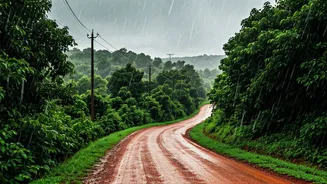
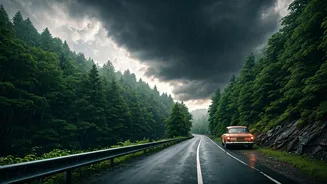
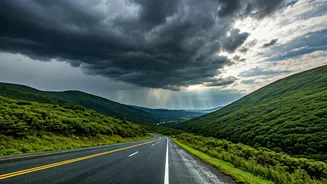
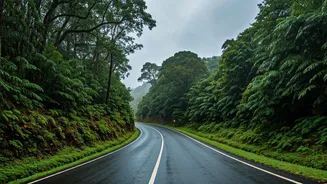
But the romance of the monsoon comes with a crucial caveat: this is nature at its most powerful and unpredictable. The 'watchful' mood is not just poetic; it's a practical necessity. The same rains that create stunning waterfalls can trigger landslides on winding mountain roads, cutting off access to remote areas for hours or even days. Rivers can flood, and low-lying areas can become inundated with little warning. The intensity of the downpours is something few American travelers have experienced—not a steady drizzle, but an overwhelming deluge that can disrupt plans in an instant. This is not the season for a tightly packed, rigidly scheduled itinerary. It demands respect, flexibility, and a constant awareness of the environment.
How to Travel Smart in the Rain
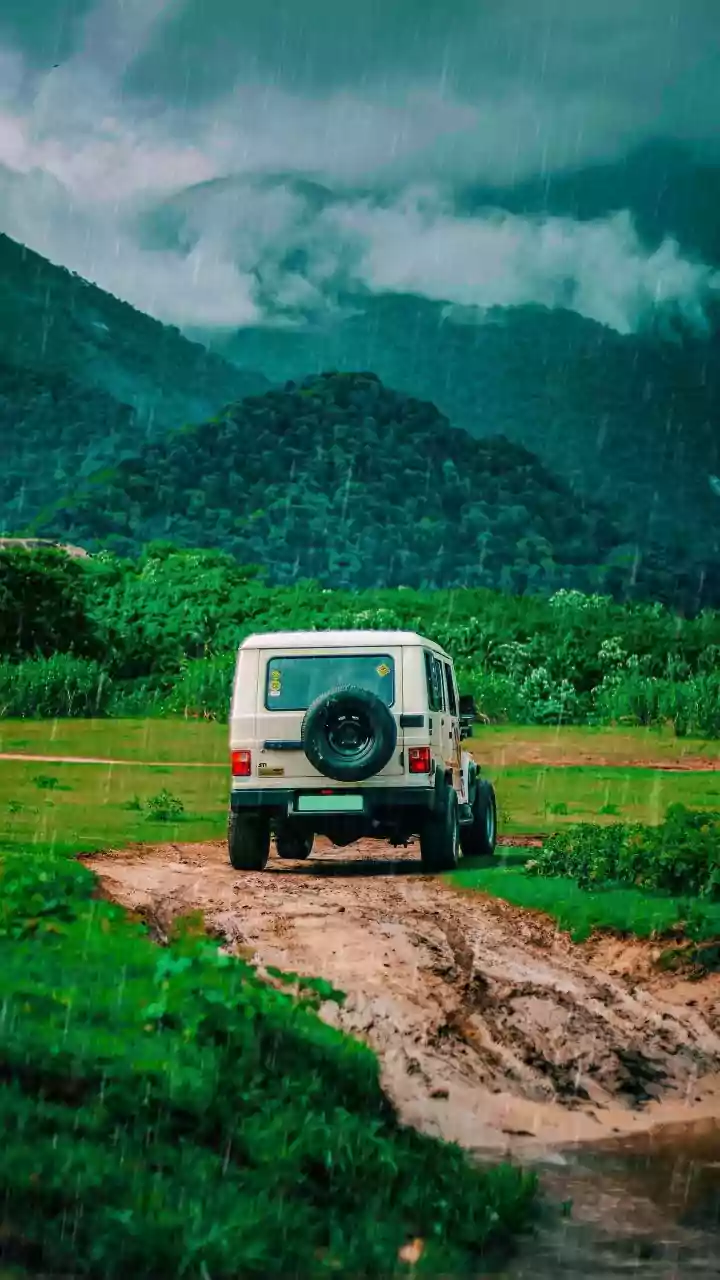
Embracing the 'watchful' mindset means being prepared. First, pack accordingly. This isn't about a simple rain jacket; think quick-drying clothes, waterproof bags for electronics, and sturdy footwear with excellent grip for slippery stone paths. Second, transportation is key. Hiring a robust vehicle with an experienced local driver who understands the terrain and weather patterns is far wiser than attempting to self-drive. Third, monitor conditions. Keep a close eye on local weather reports and news, and always have a backup plan. Many hotels in monsoon-prone areas are well-versed in the challenges and can be a great source of on-the-ground information. Finally, slow down. The best way to experience monsoon travel is to settle into one place for a few days, allowing you to enjoy the beauty between storms and wait out any disruptions patiently.