


A Collision of Serenity and Adrenaline
Mention Rishikesh to those in the know, and you’ll get two very different reactions. For many, it’s the undisputed “Yoga Capital of the World,” a place of serene ashrams, meditation, and the gentle strumming that accompanied The Beatles’ spiritual awakening
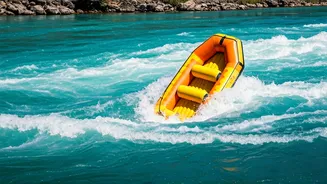
in 1968. But for a growing number of thrill-seekers, Rishikesh is synonymous with something else entirely: white-water rafting. This seeming paradox is precisely what makes the experience so potent. One moment you are observing a solemn riverside ceremony, the next you are strapping on a life vest and helmet, preparing to paddle furiously through rapids named “The Wall” or “Roller Coaster.” It’s this collision of spiritual calm and heart-pounding action that forms the backbone of every story that comes from a weekend here. You don’t just visit Rishikesh; you experience its duality.
The River's Rhythms
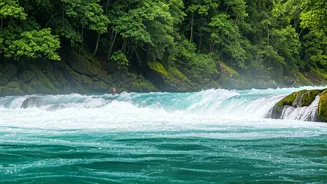
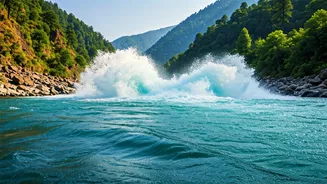
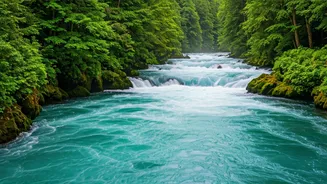
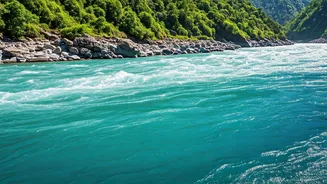
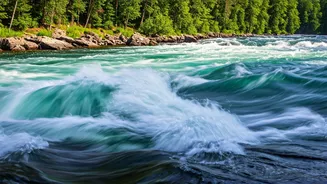
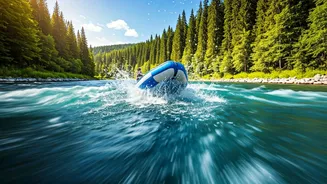
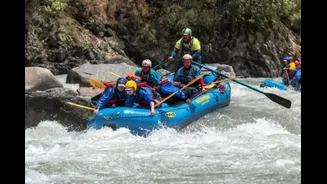
A rafting trip on the Ganges is not a monolithic sprint of terror. It’s a journey with a distinct rhythm. The experience begins with a safety briefing, a moment of nervous laughter and camaraderie with strangers who will soon be your trusted crew. Then, you push off from a sandy shore into the shockingly cold, clear water. The first few minutes are for practice, learning to sync your paddles under the guide’s sharp commands: “Forward! Forward! Get down!” Then comes the first rapid. It’s a chaotic symphony of roaring water and shouting, where the world narrows to the next wave crashing over the bow. But just as quickly, the chaos subsides. You enter a placid stretch, the raft drifting gently between towering cliffs. In these moments of calm, the guide might point out a temple high on a hill or encourage everyone to jump in for a swim in the holy, bracingly fresh water. These quiet interludes are as crucial to the story as the rapids themselves.
More Than Just a Paddle
What elevates Rishikesh rafting from a simple activity to a rite of passage are the rituals built around it. Most trips include a stop at a pristine river beach, inaccessible by road. Here, you might share hot chai and Maggi noodles—a classic Indian comfort food that tastes impossibly delicious after an hour on the water. The most famous ritual, however, is the cliff jump. At a specific point along the route stands a rock outcrop, about 25 feet above the deep river. The guide will anchor the raft and offer a simple invitation to jump. Standing on that ledge, looking down at the turquoise water, is a personal challenge that has little to do with paddling. It’s a moment of pure, voluntary fear and exhilaration. The splash as you hit the water feels like a baptism, washing away hesitation. It’s the scene everyone will talk about long after their muscles have stopped aching.
From Exertion to Reflection
As your raft floats toward the endpoint near the iconic Laxman Jhula suspension bridge, a sense of shared accomplishment settles over the group. The exhaustion is real, but it’s overshadowed by a vibrant, electric buzz. You’ve battled a force of nature and won. Back on shore, dripping and triumphant, the story begins to take shape. You exchange phone numbers with your raft-mates, now bound by the shared experience. Later, sitting at a riverside café, you watch the sun set behind the mountains and see the flickering lights of the evening Ganga Aarti ceremony begin. The adrenaline from the rapids gives way to a profound sense of peace and perspective. You didn’t just spend a day on the water; you navigated a current, both literally and metaphorically. You arrived with a weekend and are leaving with a narrative—a story of fear, courage, beauty, and connection, ready to be told.