



A Rebellion Against the Generic
For years, aspirational design in urban India mirrored a specific global ideal: sleek lines, imported marble, high-gloss finishes, and a palette that could have been plucked from a Milan showroom. But a quiet, powerful shift is underway. Across Instagram
and Pinterest, a new visual language is emerging from Mumbai, Bengaluru, and Goa. It’s defined by texture, imperfection, and a deep connection to the subcontinent’s own landscape and history. Think less polished penthouse and more thoughtfully restored haveli. This trend is a conscious turn away from a generic, placeless modernism toward something more rooted and real. It’s a design movement that values a story over a status symbol, celebrating spaces that feel curated over time rather than installed in a weekend.
The Palette of the Land
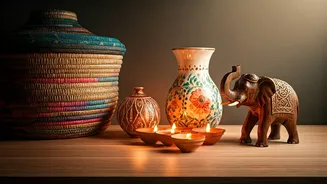
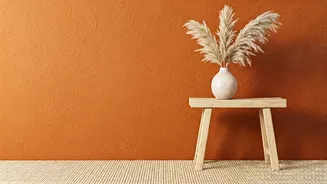
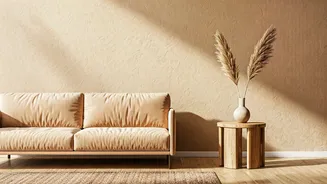
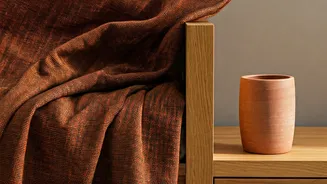
The foundation of this aesthetic is its color scheme, drawn directly from the Indian earth. The cool grays are being replaced by warm, embracing tones. Terracotta is the undisputed hero, appearing in flooring, pottery, and even as a textured wall finish. It’s joined by dusty ochres reminiscent of sandstone, muted sage greens, and the deep indigo of traditional dyes. Walls are often finished with natural lime wash (*chuna*), which creates a soft, chalky, and slightly uneven surface that plays beautifully with light. This isn’t about a single accent wall; it’s about creating an immersive environment where the colors and textures envelop you, providing a sense of calm and sanctuary from the bustling world outside.
A Celebration of Craft
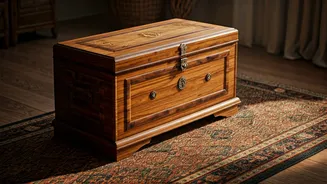
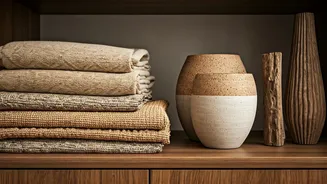
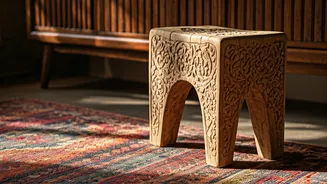
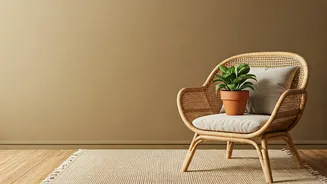
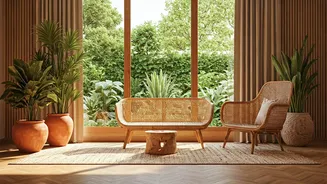
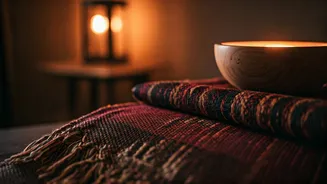
What truly distinguishes this Indian earthy aesthetic from its global boho-chic cousins is its profound respect for local craftsmanship. This isn't about mass-produced rattan from a big-box store. It’s about celebrating indigenous materials and the artisans who work with them. Hand-woven cane and bamboo appear in furniture, light fixtures, and screens, bringing a lightweight, airy quality to rooms. Jute and coir rugs provide texture underfoot, while hand-loomed textiles—from breathable khadi cotton to rustic tussar silk—are used for curtains, cushions, and throws. These pieces aren't just decor; they are a direct link to centuries-old traditions, supporting local economies and preserving skills that were at risk of being forgotten in the race toward globalization.
Finding Beauty in Imperfection
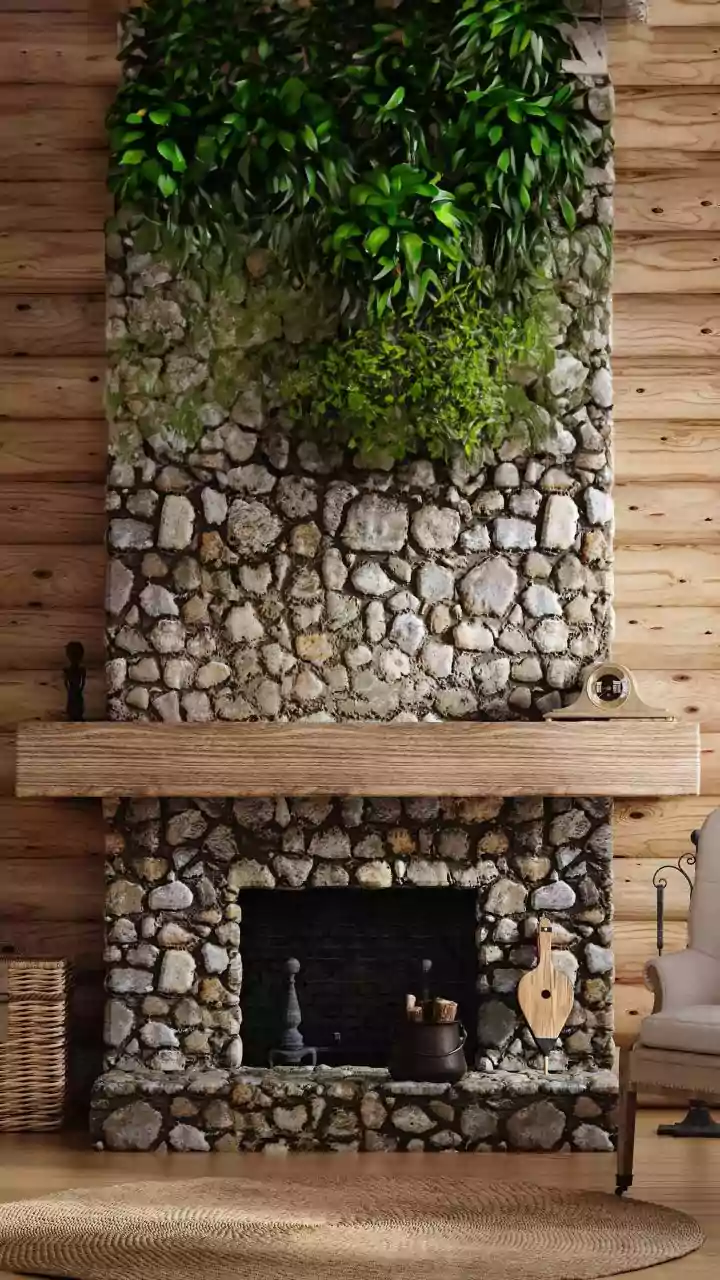
At its heart, this trend is an embrace of wabi-sabi, the Japanese philosophy of finding beauty in the imperfect, impermanent, and incomplete. This manifests in a love for materials that age gracefully. A reclaimed wooden beam from an old home isn't a flaw; it's a feature. The subtle variations in a hand-plastered wall are celebrated. A slightly chipped, handmade ceramic pot is preferred over a flawless, factory-made one. It’s a move toward spaces that feel lived-in from day one. This mindset is a soothing antidote to the pressure of maintaining a perfect, showroom-ready home. It gives permission for spaces to evolve, to show their age, and to reflect the real, messy, beautiful lives of the people who inhabit them.
The 'Modern Vernacular' Philosophy
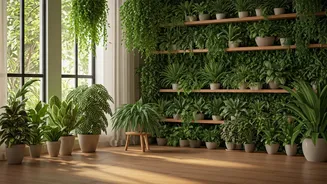
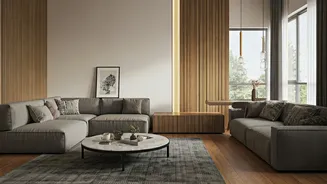
This isn't simply a re-creation of the past. Leading Indian architects and interior designers are skillfully blending these traditional elements into a style often called “Modern Vernacular” or “India Modern.” They are creating contemporary, functional homes for 21st-century life that still honor their cultural and climatic context. You might see a minimalist concrete frame softened by teak wood accents and an internal courtyard, a classic feature of Indian homes designed for natural ventilation. Or a sleek, modern kitchen that opens onto a veranda filled with earthenware planters. It's a sophisticated dialogue between old and new, demonstrating that you don’t have to choose between a modern life and a connection to your heritage.