



The Probiotic Price Tag
The global market for probiotics is a multi-billion-dollar industry, built on the promise of better digestion, a stronger immune system, and overall vitality. We buy them in tiny, expensive bottles of pills, powdered supplements, and specialized yogurts
that often come with a hefty markup. The science is compelling—a healthy gut microbiome is linked to numerous health benefits. But the cost can be prohibitive, leaving many wondering if this key to wellness is only accessible to those who can afford premium products. Before you resign yourself to another expensive subscription, consider this: for centuries, one of the world's oldest cultures has been mastering gut health without a single plastic pill bottle. The answer isn't in a lab; it's in the kitchen.
The Heart of the Answer: Dahi
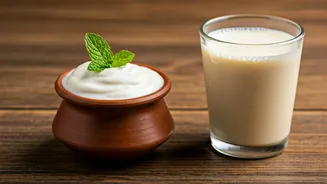
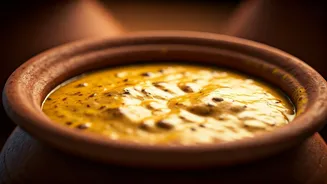
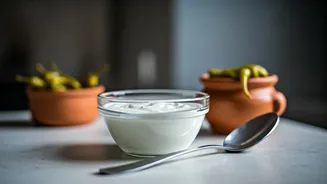
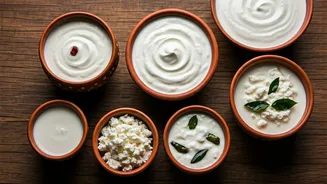
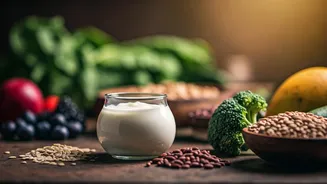
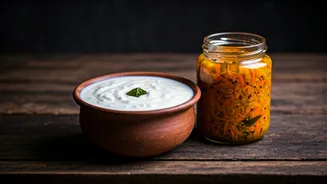
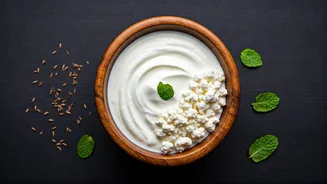
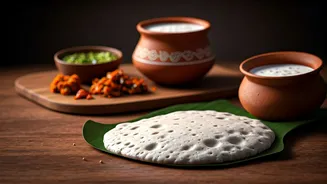
The cornerstone of India’s probiotic wisdom is dahi, a homemade yogurt that's a world away from the sugary, fruit-on-the-bottom cups in American supermarkets. Dahi is not just a food; it's a daily ritual and a cultural staple. Made by inoculating warm milk with a small amount of a previous batch's yogurt (the 'starter'), it ferments on the countertop, developing a tangy flavor and a thick, creamy consistency. This process cultivates a rich and diverse community of live bacteria, including strains of Lactobacillus. Unlike many commercial yogurts, which can be heat-treated (killing the live cultures) or loaded with sugar (which can feed 'bad' bacteria), homemade dahi is a pure, potent, and incredibly cheap source of beneficial microbes. It's used as a cooling side dish, a base for marinades, or simply eaten with a sprinkle of salt.
Beyond Yogurt: Kanji and Pickles
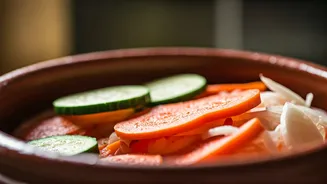
But the Indian probiotic portfolio goes far beyond dahi. Take kanji, for example. This is a brilliant purple, tangy, fermented drink popular in North India, especially in the winter. It’s made by putting black carrots, beetroot, water, and spices (like mustard seeds and black salt) in a jar and letting it ferment in the sun for a few days. The process creates a bubbly, sour, and savory beverage teeming with probiotics from the lacto-fermentation process. It’s a seasonal tonic enjoyed for its digestive properties. Similarly, traditional Indian pickles (achaar) are not the vinegar-soaked cucumbers we know in the U.S. Instead, many are lacto-fermented in salt and their own juices, sometimes with oil and spices, creating a complex, umami-rich condiment that also delivers a dose of good bacteria. A small spoonful with a meal can add both incredible flavor and microbial diversity.
A Sip of Probiotic Power: Lassi and Chaas
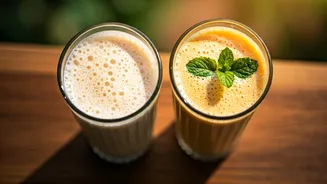
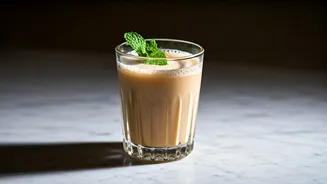
If making your own fermented foods sounds daunting, India also has the answer in drinkable form. Lassi and chaas (or buttermilk) are two probiotic powerhouses derived from dahi. Lassi, known more widely in the West, is a blend of dahi, water, and either salt (for a savory version) or sugar and fruit (for a sweet one). Savory lassi, in particular, is a fantastic digestive aid. Chaas is its lighter, more rustic cousin. It's a much thinner drink made by watering down dahi and churning it, often with herbs like cilantro, mint, and a pinch of cumin or ginger. It’s traditionally consumed after a meal to aid digestion and cool the body. Both are simple to whip up at home once you have a good dahi base, offering an easy, delicious way to get your daily probiotics.