

The Search for the Real Himalayas
For decades, travelers searching for mountain vistas in North India were funneled into a few key destinations. Places like Shimla, the former summer capital of British India, and Manali, a bustling hub for trekkers and honeymooners, became synonymous
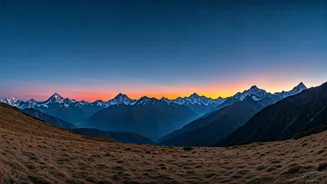
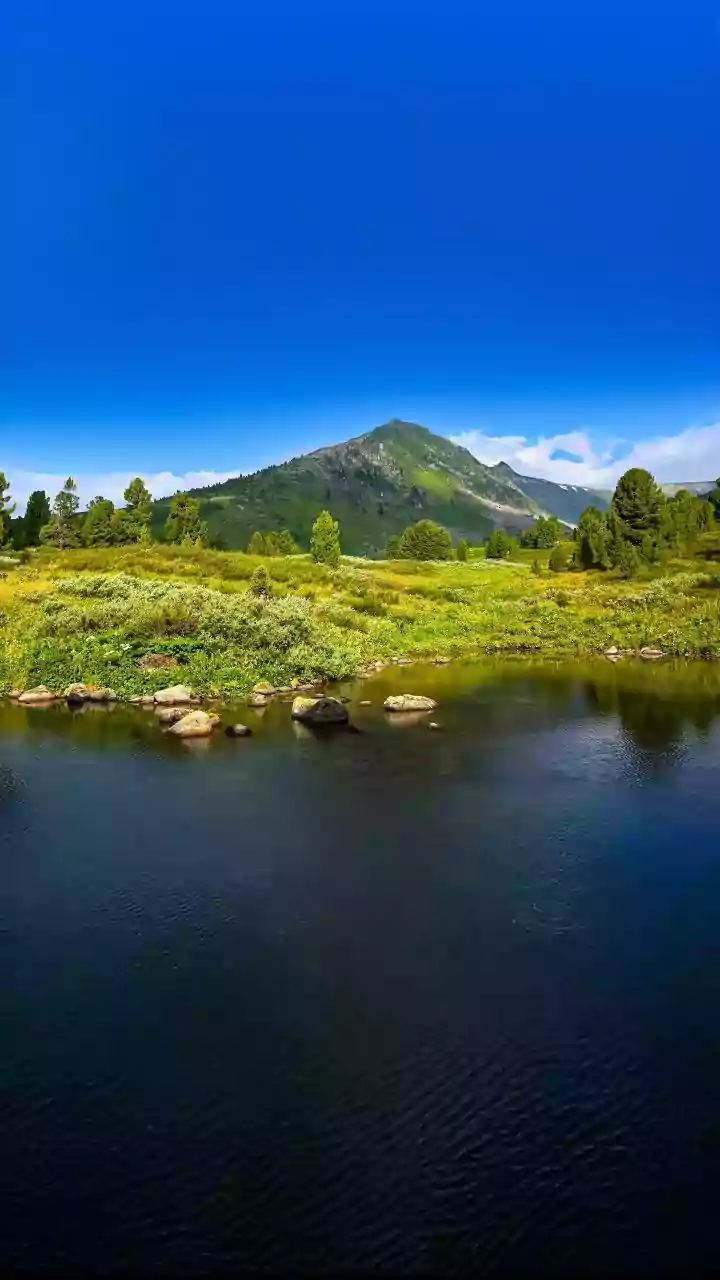
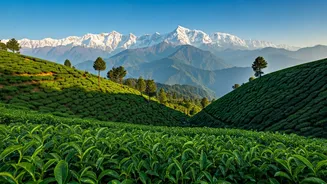
with the Himalayan experience. But with popularity came crowds, traffic, and concrete hotels that began to obscure the very nature people came to see. This created an opening for a new kind of travel—one that seeks out the quieter, less-developed corners of this vast mountain range. Enter Himachal’s Banjar Valley, a region of apple orchards, pine forests, and traditional wooden homes. Tucked away here are two destinations that embody this shift: the bohemian village of Jibhi and the pristine wilderness of Tirthan Valley. They offer a glimpse into a slower, more immersive way to experience one of the most majestic landscapes on Earth.
Jibhi: The Cozy Bohemian Hamlet
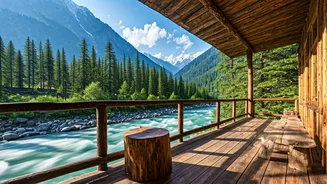
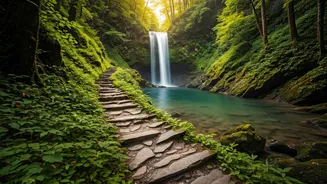
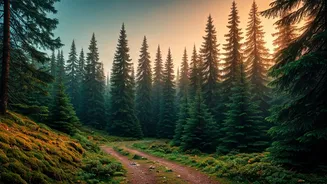
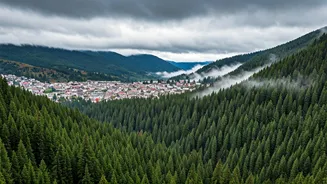
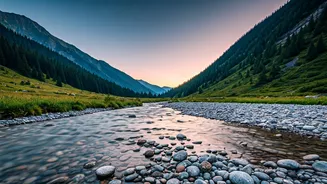
Imagine a small village nestled in a lush forest, with a gurgling stream running through it and charming wooden houses with slate roofs dotting the hillside. That’s Jibhi. Just a few years ago, it was little more than a stop on the road to the high-altitude Jalori Pass. Today, it’s a haven for backpackers, artists, and digital nomads looking for a cozy retreat. The vibe is distinctly social and relaxed. A string of riverside cafes and guesthouses with timber-framed balconies forms the heart of the village, where you’re more likely to find travelers swapping stories over ginger-lemon-honey tea than rushing through a packed itinerary. The main attractions are beautifully simple: a short walk to the Jibhi Waterfall, a hike through the woods to the ancient Chehni Kothi tower, or simply finding a sunny spot by the river to read a book. Jibhi serves as an excellent, accessible introduction to the offbeat Himalayas—it’s easy to get to, has a growing infrastructure of comfortable homestays, and offers just enough to do without feeling overwhelming.
Tirthan Valley: Nature’s Untouched Sanctuary
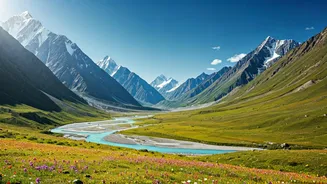
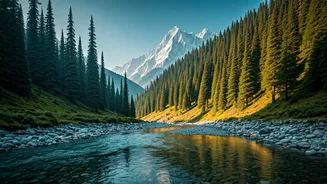
If Jibhi is the social cousin, Tirthan Valley is the introspective, wild-hearted sibling. Named after the crystal-clear Tirthan River that flows through it, this valley is the gateway to the Great Himalayan National Park, a UNESCO World Heritage Site. This designation is key to understanding its character. The area is an eco-zone, which means construction is restricted, and the focus is on conservation and sustainable tourism. You won’t find large hotels here. Instead, accommodation consists almost exclusively of family-run homestays, often perched on the riverbank with stunning views of the surrounding forests and snow-capped peaks. Tirthan is a paradise for nature lovers. It’s renowned for its trout fishing—the river is teeming with brown and rainbow trout, and angling is a meditative local pastime. The valley also serves as the starting point for some of Himachal’s most spectacular multi-day treks into the national park, where you might spot blue sheep or even the elusive snow leopard. The atmosphere here is one of profound tranquility and isolation.
Jibhi or Tirthan: Which Valley Is for You?
While only about an hour’s drive apart, the two valleys cater to different travel styles. Think of it this way: you go to Jibhi to connect with other travelers, and you go to Tirthan to disconnect from the world. Jibhi is the better choice if you’re a solo traveler looking to meet people, enjoy a lively cafe scene, and prefer shorter, more casual day hikes. Its roadside location makes it a convenient base for exploring the wider Banjar region by car or motorcycle. Tirthan Valley, on the other hand, is for the purist. It’s for those who want to wake up to the sound of a river, spend their days trekking deep into untouched wilderness, or try their hand at angling. It demands a bit more commitment—the villages are more spread out, and the main activity is immersing yourself in the quiet grandeur of the landscape. Choose Jibhi for community and coziness. Choose Tirthan for solitude and raw nature.