
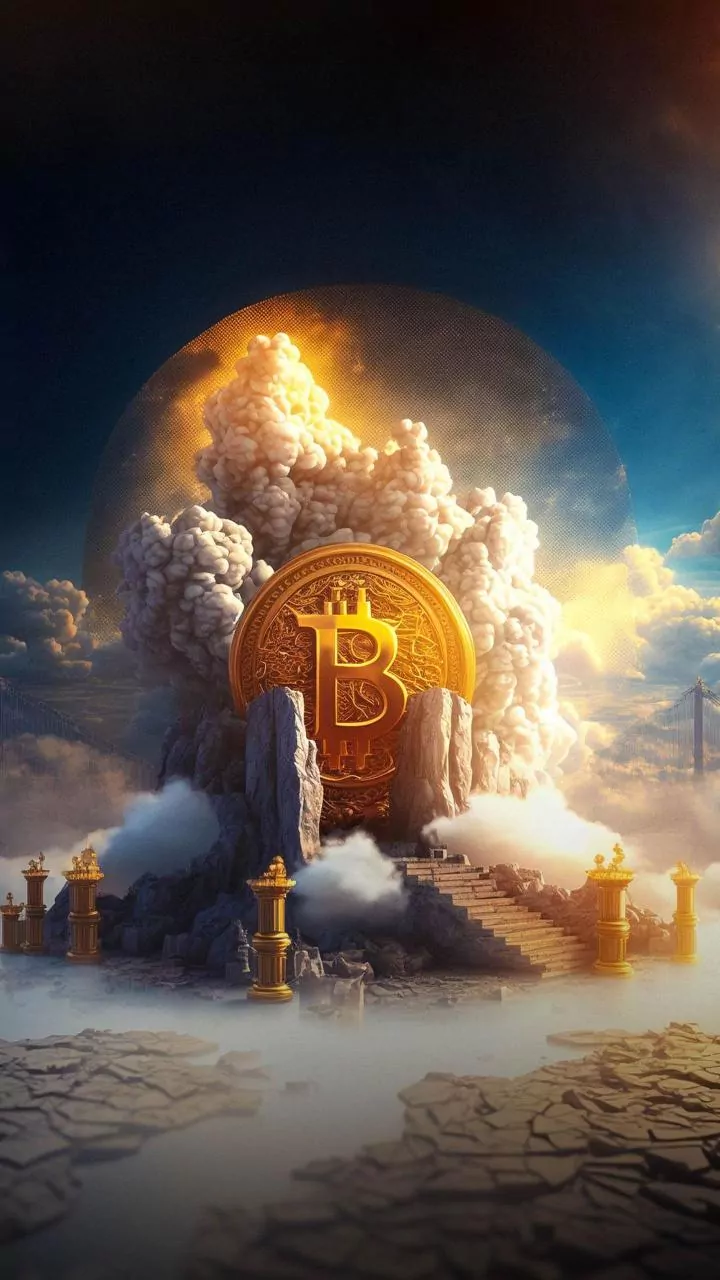







What Exactly is 'Digital Gold'?
When people say "digital gold," they're almost always talking about Bitcoin. The comparison isn't random; it's baked into Bitcoin's design. Like physical gold, which is finite on Earth, Bitcoin has a fixed supply—only 21 million coins will ever be created.
This programmed scarcity is a direct answer to government-issued currencies, which can be printed at will, potentially devaluing them over time. Furthermore, like gold, Bitcoin isn't controlled by any single bank or government. It operates on a decentralized network, meaning its ownership and transactions are verified by a global community of users, not a central authority. This gives it a sense of independence that appeals to those wary of traditional financial systems, much like gold has for centuries.
The 'Modern' Feel is More Than Tech
The modernity of digital gold isn't just about its code; it's about its culture and accessibility. You can't exactly buy a sliver of a gold bar at 3 a.m. from your smartphone, but you can buy a fraction of a Bitcoin. This 24/7, fractional, and borderless market makes it feel native to the digital age. It democratizes access to an asset class that feels global and forward-looking. Beyond the mechanics, there's a powerful narrative at play. Investing in digital gold isn't just a financial decision; for many, it's a philosophical one. It represents a vote for a new, more transparent financial system built on the blockchain, where every transaction is recorded on a public ledger. This community-driven, almost revolutionary spirit is a world away from the staid, institutional feel of traditional commodities trading.
The Glare of Extreme Volatility
Here's where the comparison to gold gets complicated. For all its luster, physical gold is famously boring. Its price moves slowly, which is precisely why investors use it as a 'safe haven' to stabilize their portfolios during stock market turmoil. Bitcoin, on the other hand, is anything but boring. Its price is notoriously volatile, capable of soaring to incredible highs and plunging dramatically in a matter of weeks, or even hours. A single tweet, a regulatory rumor, or a shift in market sentiment can trigger wild swings. This makes it a poor candidate for a traditional safe-haven asset. While gold is the anchor you drop in a storm, Bitcoin often feels like it *is* the storm. This risk profile positions it less as a replacement for gold and more as a high-risk, high-reward speculative asset.
A New Asset for a New Portfolio?
Instead of asking if Bitcoin is 'the new gold,' a better question might be whether it's an entirely new type of asset. Traditional portfolios are often built on a mix of stocks (for growth) and bonds (for stability). Gold is sprinkled in as insurance against inflation and chaos. Digital gold doesn't fit neatly into any of these boxes. It has the growth potential of a breakout tech stock but is sold with the store-of-value narrative of a commodity. For many younger investors, this blend is the point. They are comfortable with digital systems and willing to accept higher volatility in exchange for the potential for outsized returns and participation in a new financial ecosystem. They aren't necessarily abandoning traditional principles, but rather expanding the definition of what an investment can be.