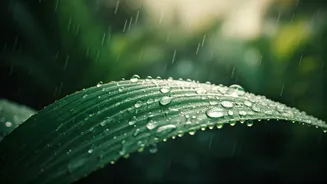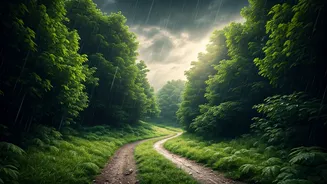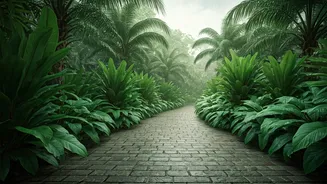

Reframe It as the 'Green Season'
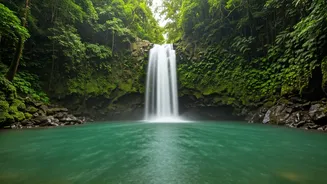
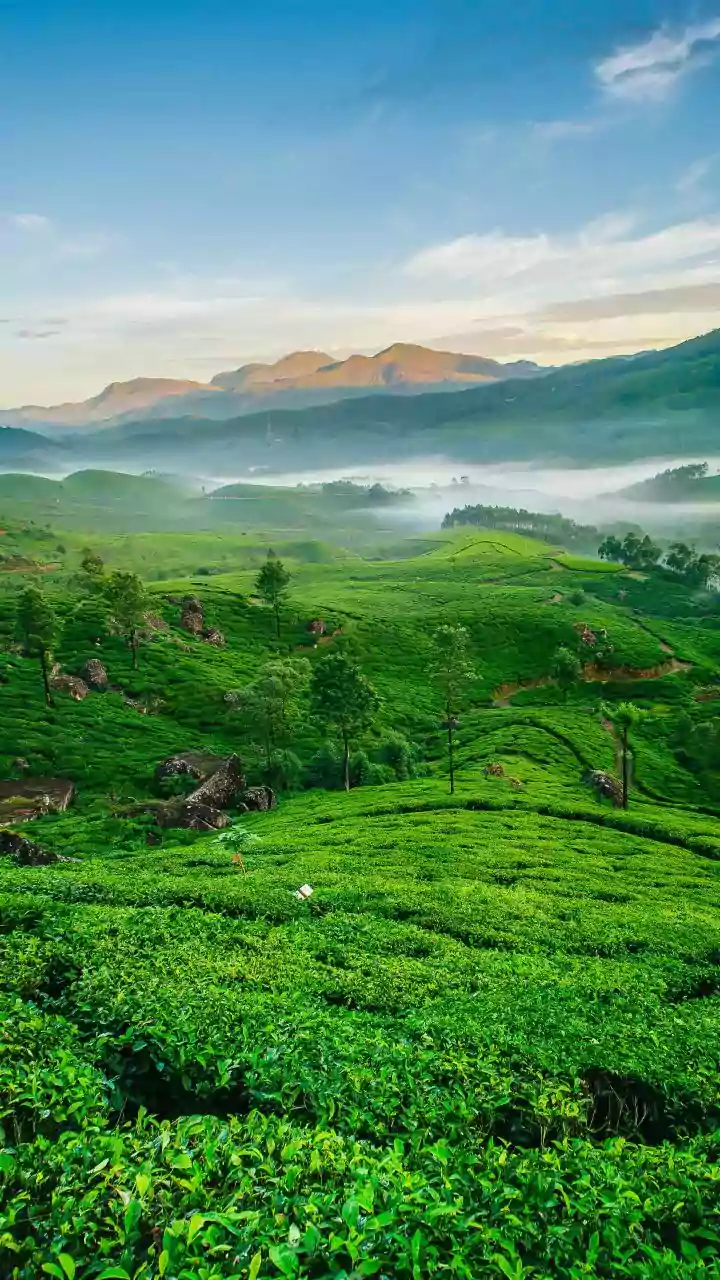
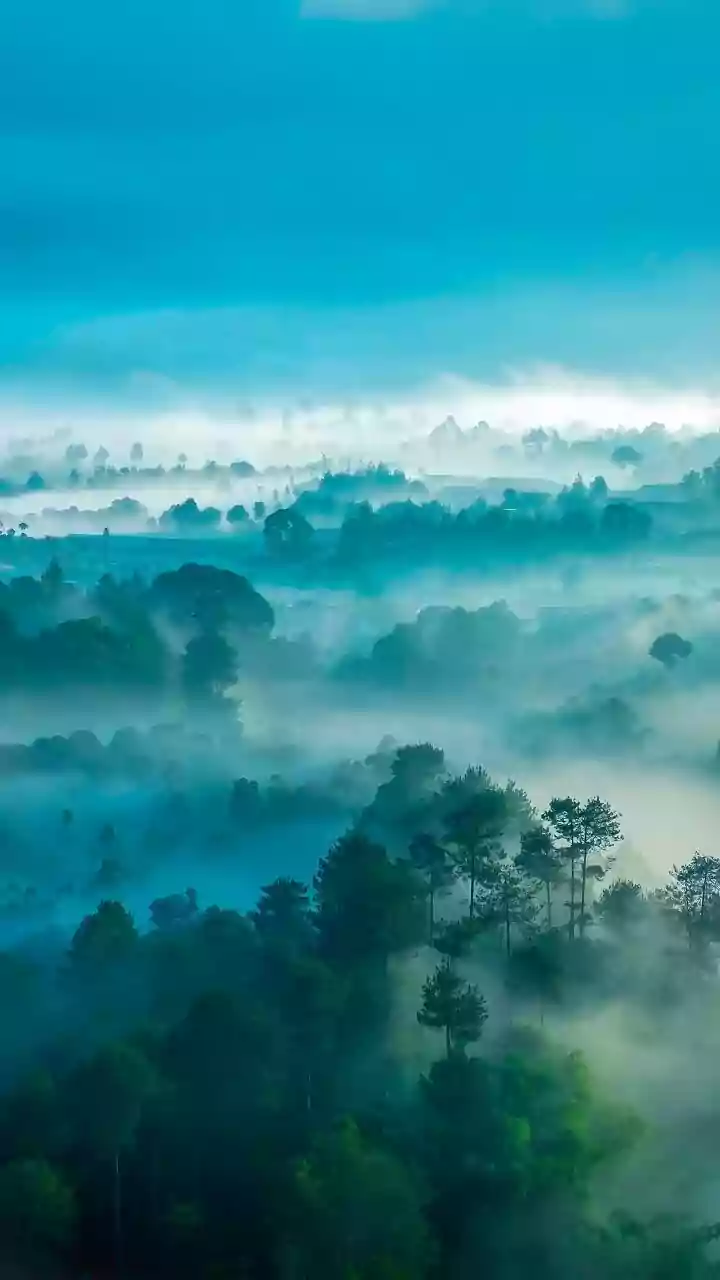
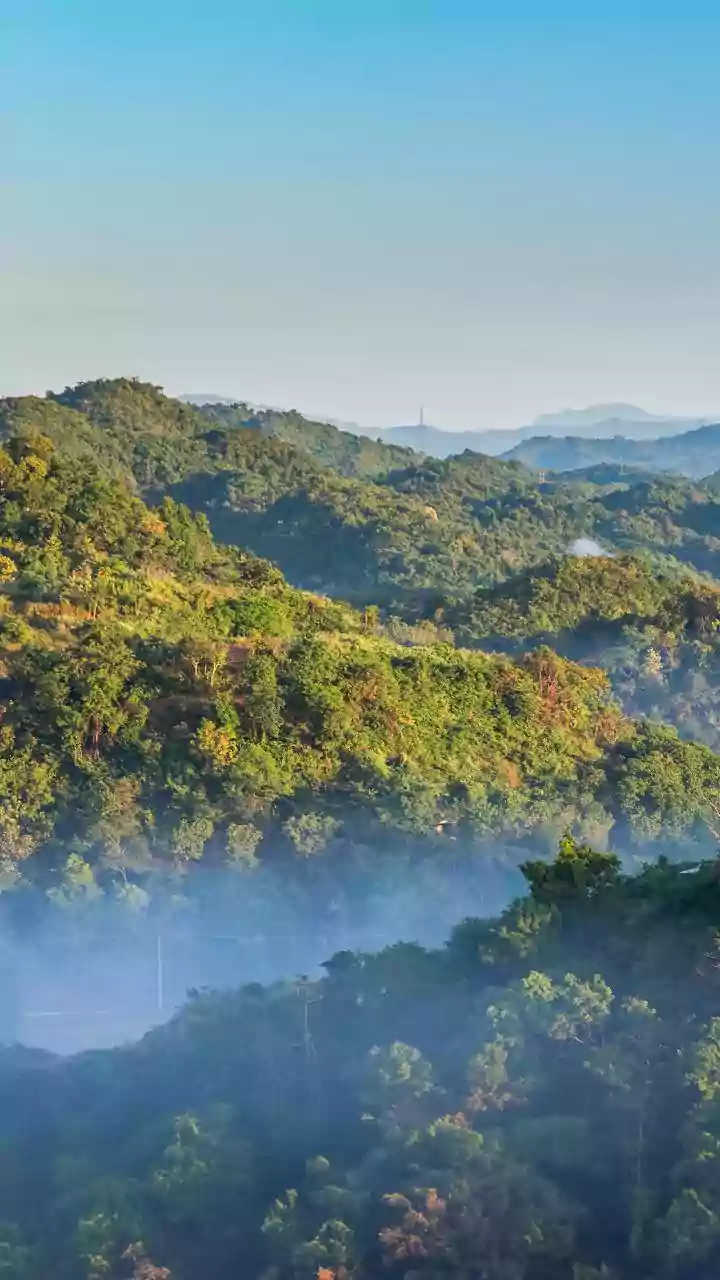
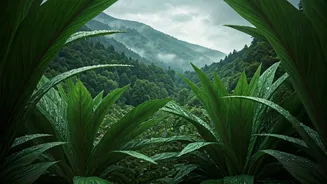
First, change your mindset. Tour operators and locals in destinations like Costa Rica and Thailand don't call it the rainy season; they call it the “green season.” This isn't just clever marketing. It’s the time when landscapes explode into an almost
impossibly lush, emerald-green vitality. Waterfalls that are mere trickles in the dry season become thundering spectacles. The air is cleaner, the dust has settled, and the scenery is at its most photogenic. Instead of seeing rain as an obstacle, see it as the force that makes your destination uniquely beautiful. A typical day often involves clear mornings, a dramatic (and predictable) mid-afternoon downpour for an hour or two, and then a clear, fresh evening. It's a rhythm you can plan around.
Choose Your Geography Strategically
“Monsoon” isn’t a monolith. Different regions, even within the same country, experience the rains very differently. In Thailand, for example, when the Andaman coast (Phuket, Krabi) is getting drenched from May to October, the Gulf coast (Koh Samui, Koh Pha Ngan) is often sunnier and drier. In India, the deserts of Rajasthan get far less rain than the tropical state of Kerala. Do your homework. Research microclimates and regional weather patterns to find sweet spots. Even the United States has its own monsoon in the Southwest. From July to September, Arizona and New Mexico experience dramatic thunderstorms that cool the desert air and create spectacular sunsets, offering a completely different experience than the dry heat of early summer.
Pack for Performance, Not Just Photos
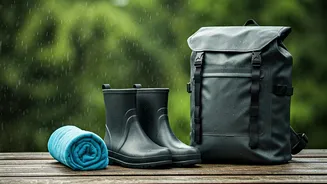
Your packing list is your first line of defense. Cotton is your enemy; it gets heavy when wet and takes forever to dry in the humidity. Instead, build your wardrobe around quick-drying synthetic fabrics (like those used in athletic wear) and merino wool, which insulates even when damp. A lightweight, breathable, and genuinely waterproof rain jacket is non-negotiable. For footwear, forget flip-flops, which offer no grip on slick surfaces. Opt for waterproof hiking sandals with good tread (like those from Keen or Chaco) or a pair of lightweight, waterproof trail shoes. And don't forget a compact, fast-drying travel towel and a few waterproof dry bags to protect your electronics, passport, and wallet inside your main backpack.
Master the Art of Flexible Planning
This is not the time for a rigid, minute-by-minute itinerary. Ferry services can be canceled due to rough seas, and rural roads can become temporarily impassable after a heavy downpour. The key to winning is building flexibility into your schedule. Add buffer days between key locations. Have a list of backup activities for rainy afternoons. Instead of booking every internal flight and tour months in advance, consider booking some things on the ground when you have a better sense of the immediate weather forecast. This approach not only reduces stress but also allows you to take advantage of spontaneous opportunities that arise.
Prioritize Your Health and Safety
With water comes life, and that includes mosquitoes. The risk of mosquito-borne illnesses like dengue fever can be higher during the monsoon. Be diligent about using an effective insect repellent, especially around dawn and dusk. Choose accommodations with well-screened windows or air conditioning. Beyond bugs, be mindful of your surroundings. That charming stream can become a raging torrent in minutes, so exercise caution when hiking near waterways. Pay attention to local weather alerts regarding flash floods or landslides, particularly in mountainous regions. Finally, stick to bottled or properly purified water and be cautious with street food to avoid waterborne stomach bugs.
Leverage Your Off-Season Advantage
Here's where you really “win.” Because most tourists stay away, you have significant bargaining power. Luxury hotels that are out of reach during peak season may offer steep discounts of 50% or more. Tour operators are more eager for business, and you can often book private tours for the price of a group excursion. Famous sites that are usually mobbed with crowds, like Angkor Wat in Cambodia or the temples of Bali, are blissfully quiet. You can explore them at your own pace, capturing photos without a hundred other people in your shot. This is your chance to experience world-class destinations with a level of tranquility and affordability that peak-season travelers can only dream of.