
The Glorious Return of the Jell-O Mold
Let’s start with the undisputed king of wobbly, retro charm: the Jell-O mold. For decades, it was a punchline, a relic of suburban potlucks and questionable culinary choices involving suspended vegetables. But now, its synthetic gleam is a feature, not
a bug. In a food culture obsessed with organic, farm-to-table purity, the Jell-O mold is an act of defiance. It’s pure, unadulterated fun. TikTok and Instagram are brimming with a new generation discovering the psychedelic joy of a perfectly set, multi-layered creation. It’s not about pretending it’s health food; it’s about embracing the bright, artificial, and wonderfully straightforward pleasure of a dessert that doesn’t take itself too seriously.
The No-Bake Genius of the Icebox Cake
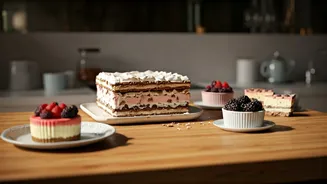
The thermometer is pushing 90, and the last thing anyone wants to do is turn on the oven. Enter the icebox cake, a masterpiece of low-effort brilliance. Traditionally made by layering chocolate wafers with sweetened whipped cream, the magic happens in the refrigerator. Over several hours, the cookies soften into a tender, cake-like consistency, creating a dessert that’s impossibly cool, creamy, and light. Its resurgence speaks to our collective burnout. We’re tired. We want delicious things without a three-page recipe and a sink full of dishes. The icebox cake delivers that satisfaction, reminding us that sometimes the simplest formula—cookies, cream, and time—is also the most effective.
The Misunderstood Joy of Ambrosia Salad
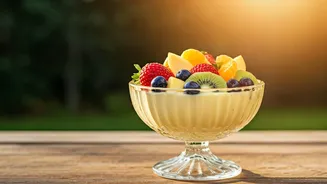
Ambrosia salad is, for many, a culinary battlefield. Is it a side dish? A dessert? A national treasure? A crime? This mix of canned pineapple, mandarin oranges, miniature marshmallows, and coconut flakes, all bound in whipped topping or sour cream, is a Rorschach test for your palate. Yet its comeback is undeniable. In a world of subtle, balanced flavors, ambrosia is loud and proud. It’s a sweet, tangy, and texturally bizarre symphony that harks back to a time when convenience was king and a can of fruit cocktail was the height of exotic luxury. To love ambrosia in 2024 is to embrace a uniquely American form of culinary camp, celebrating a dish that is deeply comforting precisely because it’s so gloriously weird.
The Playful Nostalgia of Dirt Pudding
For millennials, the ultimate old-school dessert isn’t from a 1950s cookbook; it’s from a 1990s childhood birthday party. Dirt pudding—a creamy concoction of chocolate pudding, crushed Oreo “dirt,” and gummy worms—is peak edible nostalgia. Served in a flowerpot or clear cups to show off its layers, it was never about sophisticated flavor profiles. It was about the sheer, unbridled joy of eating something that looked like it shouldn’t be eaten. Its reappearance on dessert menus and in home kitchens taps into a longing for the playful and unserious. It’s a reminder that food can be an experience, a gag, and a delicious treat all at once, offering a direct portal back to a time of scraped knees and sugar highs.
Why We Crave the Classics Now
The common thread running through this revival is a deep-seated desire for comfort and authenticity—not the authenticity of a single-origin coffee bean, but the authenticity of memory. These desserts aren’t trying to impress you. They aren’t performative. They are what they are: sweet, simple, and emotionally resonant. They connect us to grandparents, to childhood afternoons, and to a version of America that feels, rightly or wrongly, less complicated. They don’t require a refined palate, just an open mind and a sweet tooth. They offer a moment of uncomplicated pleasure in a complicated world, proving that sometimes the best way to move forward is to take a delicious step back.