
Say Goodbye to Soil Stains and Mess
The number one rule of renting? Leave the place as you found it. Traditional potted plants, for all their charm, are agents of chaos. Repotting can leave a film of dirt on every surface, and an accidental spill can mean a permanent stain on the carpet
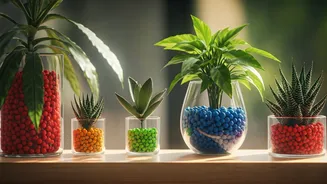
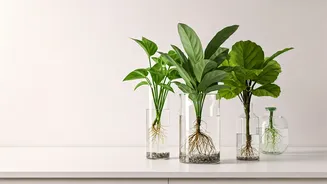
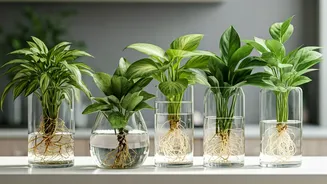
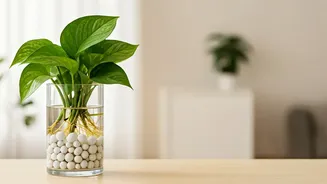
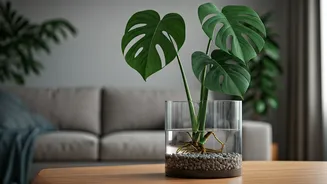
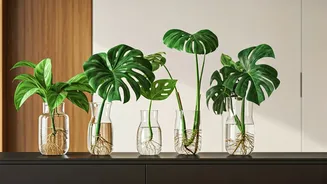
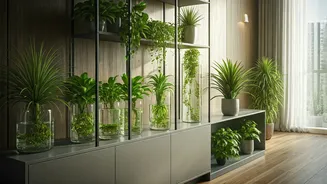
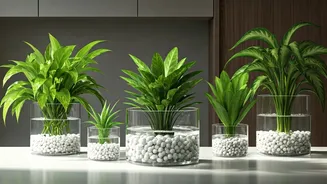
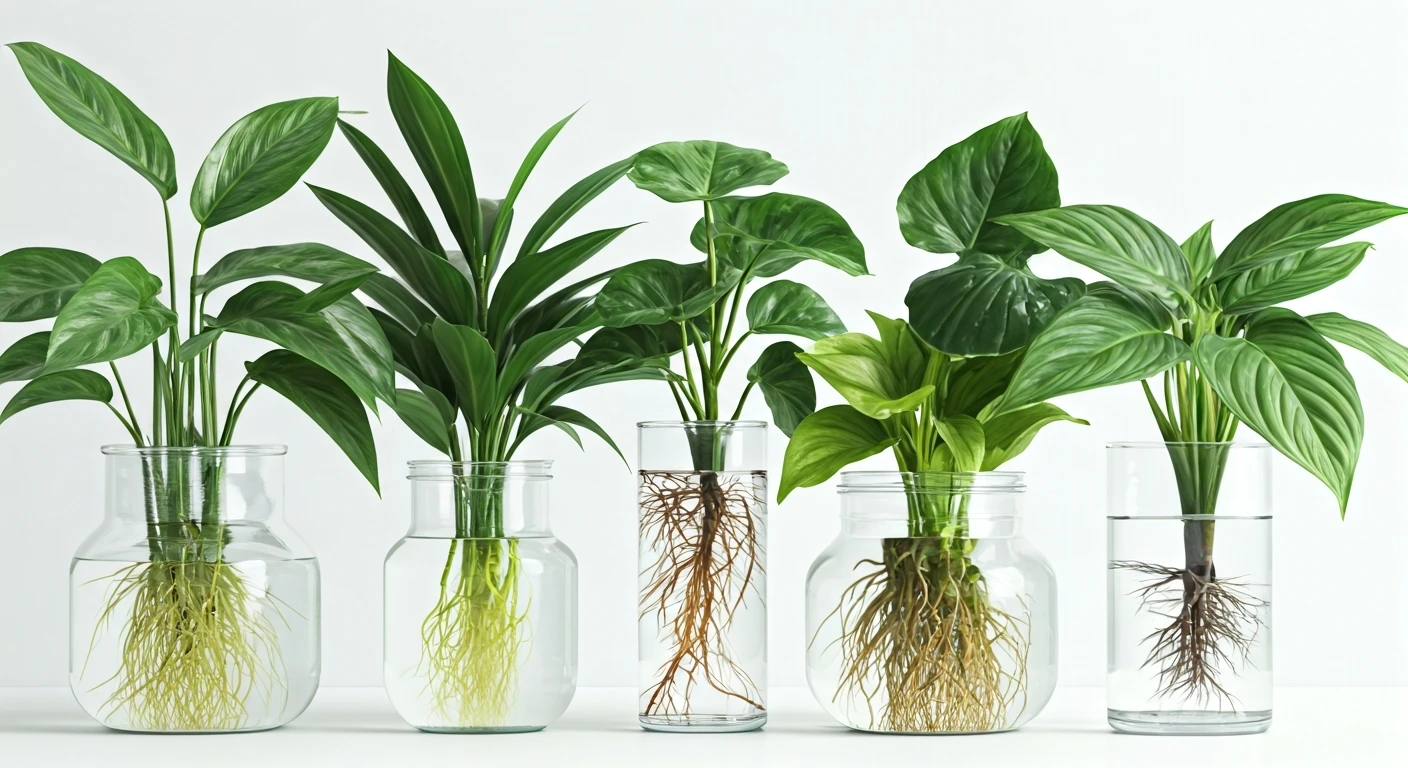
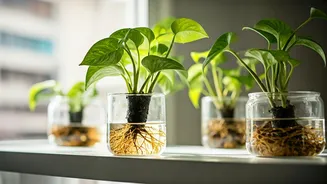
or hardwood floors. Soil-free gardening eliminates this problem entirely. Methods like hydroponics (growing in water) or semi-hydroponics (using inert media like clay pebbles) are inherently clean. When it’s time to repot, you’re simply rinsing pebbles or swapping out nutrient-rich water—no dirt, no dust, no drama. This means you can pursue your plant hobby without worrying that you’re jeopardizing your security deposit with every watering can.
Drastically Reduce Common Plant Pests
If you’ve ever battled a persistent cloud of fungus gnats hovering over your favorite fern, you know the frustration. Many of the most common and annoying indoor plant pests thrive in damp, organic soil. It’s where they lay their eggs and build their armies. By removing soil from the equation, you remove their primary habitat. While soil-free plants aren’t entirely immune to all pests (spider mites can still show up), the risk of a gnat or soil mite infestation plummets. Your plants are healthier, and your living space is free from tiny, unwelcome roommates. It’s a win-win that makes indoor gardening feel more like a joy and less like a constant battle.
Take the Guesswork Out of Watering
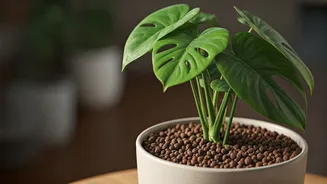
The most common way beginners kill their plants is through improper watering. Too much leads to root rot; too little leaves you with a crispy, sad-looking plant. Semi-hydroponics, particularly using Lightweight Expanded Clay Aggregate (LECA), solves this. These porous clay balls wick water up to the plant's roots from a reservoir at the bottom of the pot. You can literally see how much water is left, so you know exactly when to refill it. Many popular houseplants, from Monsteras to Orchids and Pothos, can be easily transferred to LECA. This method creates a consistent, stable environment for the roots, leading to healthier growth and taking the stressful guesswork out of your care routine.
Grow More in Less Space
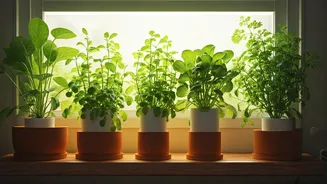
Apartment living often means working with a limited footprint. Soil-free systems are uniquely suited for maximizing small spaces. Compact, self-contained hydroponic kits can sit on a countertop, allowing you to grow fresh herbs like basil, mint, and cilantro right in your kitchen—no garden plot required. Some vertical hydroponic towers allow you to grow dozens of lettuce heads or strawberry plants using only a few square feet of floor space. For renters who dream of a kitchen garden but lack a backyard, this technology is a game-changer. It transforms a small corner of your apartment into a productive, edible garden.
Embrace the Ultimate Minimalist Plant
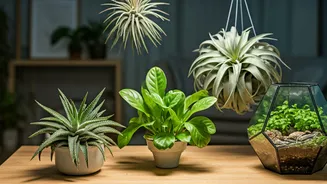
For the truly soil-averse, there are air plants (Tillandsia). These fascinating plants don’t require any growing medium at all. In their native habitats, they cling to trees and rocks, absorbing moisture and nutrients from the air through special scales on their leaves. For a renter, this is a dream. There’s no pot, no soil, and no mess. Care is simple: just soak them in water every week or two and let them dry out. You can display them in limitless creative ways—tucked into a geometric holder, mounted on a piece of driftwood, or simply resting on a bookshelf. They offer a touch of architectural, living art to any space, proving that you don’t need soil to have a beautiful indoor garden.