

1. It's the 'Goldilocks' Weather Window
For much of the year, Manali, a resort town in India’s northern state of Himachal Pradesh, is either buried under snow or drenched by monsoons. But June is different. It occupies a sweet spot—a brief, glorious window after the winter snows have melted
but before the heavy monsoon rains arrive in July. Daytime temperatures are comfortably warm, perfect for trekking and exploring, while evenings remain cool and crisp. For travelers from the scorching plains of India, and for Americans seeking ideal mountain conditions, June offers a climatic perfection that’s hard to beat. You get the sun without the sweltering heat and the green landscapes without the constant downpour.
2. The Legendary High Passes Finally Open
This is the big one. For adventure lovers, Manali in June is the starting pistol for the epic Himalayan road trip season. The town serves as the gateway to some of the world's most spectacular high-altitude roads, which are impassable for the other eight months of the year. Most critically, June is when the snow is finally cleared from the legendary Rohtang Pass. Its opening is a celebrated event, unlocking the breathtaking road to the remote regions of Lahaul, Spiti, and, most famously, Leh-Ladakh. For motorcyclists, cyclists, and overland travelers, the pilgrimage to cross these passes is a rite of passage, and it all starts in Manali, right around June.
3. Adventure Sports Hit Their Peak
With the perfect weather and open landscapes comes a surge in adrenaline-fueled activities. The nearby Solang Valley transforms into an adventure sports playground. The skies fill with colorful paragliders soaring on thermal currents, offering bird's-eye views of the stunning valley below. Down on the ground, the Beas River, swollen with fresh snowmelt, provides the perfect conditions for thrilling white-water rafting. Add to that opportunities for rock climbing, rappelling, and zorbing (rolling downhill in a giant transparent ball), and Manali becomes a one-stop shop for an adrenaline fix.
4. The Landscape Is Unbelievably Lush
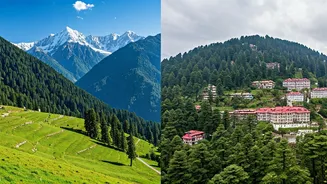
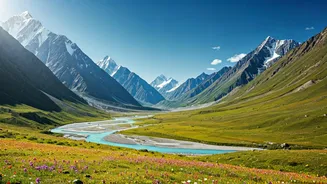
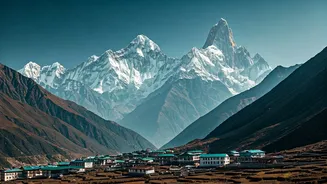
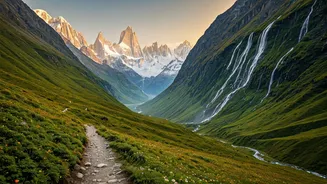
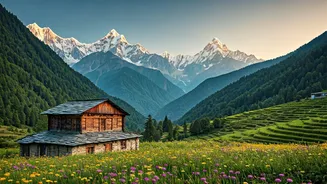
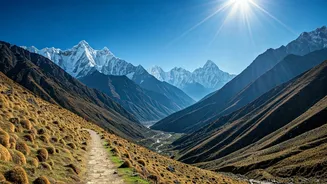
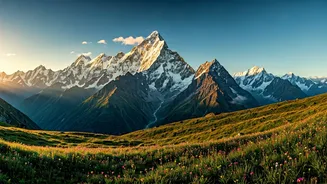
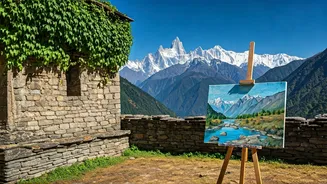
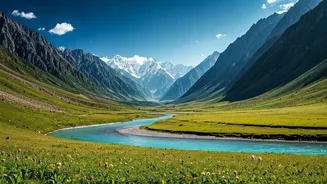
June in Manali is a feast for the eyes. The post-winter, pre-monsoon timing means the valleys are at their most vibrant. The lower slopes of the mountains are covered in a carpet of deep green pine and deodar forests, while apple orchards start to flourish. Wildflowers dot the meadows, creating splashes of color against the dramatic backdrop of snow-capped peaks that still loom in the distance. It’s a powerful contrast—the soft, living green of the valley floor against the stark, magnificent white of the high Himalayas. For photographers and nature lovers, it’s a visual paradise.
5. It's a Tale of Two Towns
Manali’s appeal lies in its dual personality. There’s the bustling, commercial center of New Manali, with its busy market (Mall Road), hotels, and restaurants catering to families and tourists. But just a short hike or auto-rickshaw ride away lies Old Manali. This is a different world entirely. With its winding cobblestone lanes, laid-back cafes playing trance music, guesthouses overlooking the river, and a distinctly bohemian vibe, it’s a haven for backpackers and international travelers. Whether you’re looking for a lively hub or a chill mountain retreat, you can find your tribe here, and in June, both worlds are buzzing with energy.
6. A Vibrant Mix of Cultures Converges
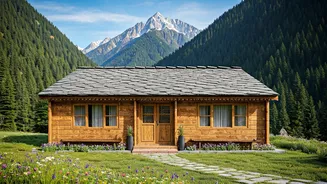
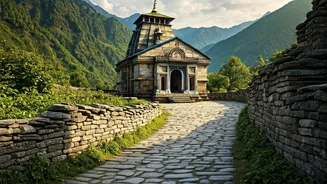
The town becomes a fascinating melting pot. You’ll find Israeli backpackers who have just finished their military service, European trekkers planning month-long expeditions, and Indian city dwellers escaping the heat. This eclectic mix creates a unique, energetic atmosphere in the cafes and streets. It’s a place of shared stories and mutual excitement for the mountains. This social energy is layered on top of the rich local Himachali culture, visible in the ancient Hadimba Devi Temple, a beautiful wooden structure set in a cedar forest, and the distinct customs and traditions of the Kullu Valley.