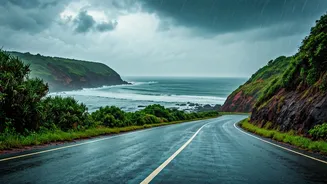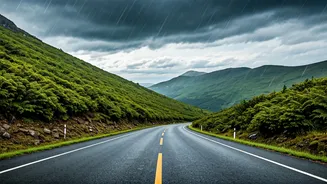




More Than Just Rain
In the West, we think of monsoon as a synonym for a torrential downpour. In India, it’s an entire season, a national event, and the country’s lifeblood. The monsoon is a complex weather system that typically arrives in the southern state of Kerala around
June 1 and gradually works its way north over several weeks. It replenishes 80% of India's annual rainfall, watering crops that feed over a billion people and refilling reservoirs that will sustain cities through the next dry season. Its arrival is celebrated with festivals, poetry, and a palpable sense of relief from the oppressive pre-summer heat, which can soar above 110°F. The smell of the first rain hitting the parched earth—known as 'petrichor'—is a cherished sensory experience. This year, however, the system arrived days ahead of schedule in some areas and with an unusual ferocity in others, catching many by surprise.
The Traveler's Dilemma
For tourists, this early arrival has upended countless plans. The ideal spring travel window—a sweet spot after the winter cool and before the summer rains—was cut short. Travelers hoping for final, dry treks in Himalayan states like Uttarakhand and Himachal Pradesh found themselves facing washed-out trails and the risk of landslides. Coastal destinations, particularly in Kerala and Goa, which were preparing for a final wave of sun-seekers, were instead inundated with heavy rains that can turn beach days into washout weeks. In major cities like Mumbai, the first downpours often overwhelm aging drainage systems, leading to widespread flooding that can halt traffic for hours and make simply crossing the street a logistical challenge. This sudden shift has replaced a mood of adventurous exploration with one of cautious improvisation, forcing travelers to scrap itineraries and look for indoor alternatives or safer, drier regions.
An Economic Double-Edged Sword
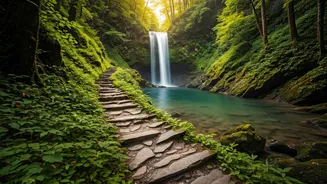
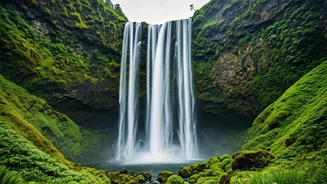
While farmers may rejoice at the early arrival of rain, the tourism and hospitality industries face a more complicated picture. An abrupt end to the peak season means lost revenue for hotels, tour operators, and local guides who rely on a predictable flow of visitors. Airlines may face disruptions, and infrastructure can take a beating. However, the monsoon is not universally bad for business. A separate, niche industry has blossomed around 'monsoon tourism.' Many domestic tourists and a growing number of international visitors now travel specifically to experience the rains. Destinations like the Western Ghats transform into a lush, emerald paradise, with gushing waterfalls and misty landscapes that offer a different kind of beauty. Ayurvedic resorts in Kerala pitch the monsoon as the ideal time for wellness treatments, believing the cool, moist air is more conducive to healing. For these businesses, an early monsoon simply kicks off their season sooner.
Adapting to the New Rhythm
The changed 'travel mood' is ultimately one of adaptation. For some, it’s disappointment and a scramble to rebook. For others, it's an unexpected invitation to see a different side of India. The early monsoon forces a slower, more contemplative pace. Instead of ticking off sights, a traveler might find themselves watching the rain from a cafe veranda in Fort Kochi, sipping chai, and observing a rhythm of life dictated not by a guidebook but by the clouds. It highlights a crucial lesson of travel in the subcontinent: India operates on its own terms. The weather is not a backdrop; it is a main character in the story. The early monsoon is a powerful reminder that the best-laid plans often give way to the more profound experience of simply being present.