

The Great Travel Rethink
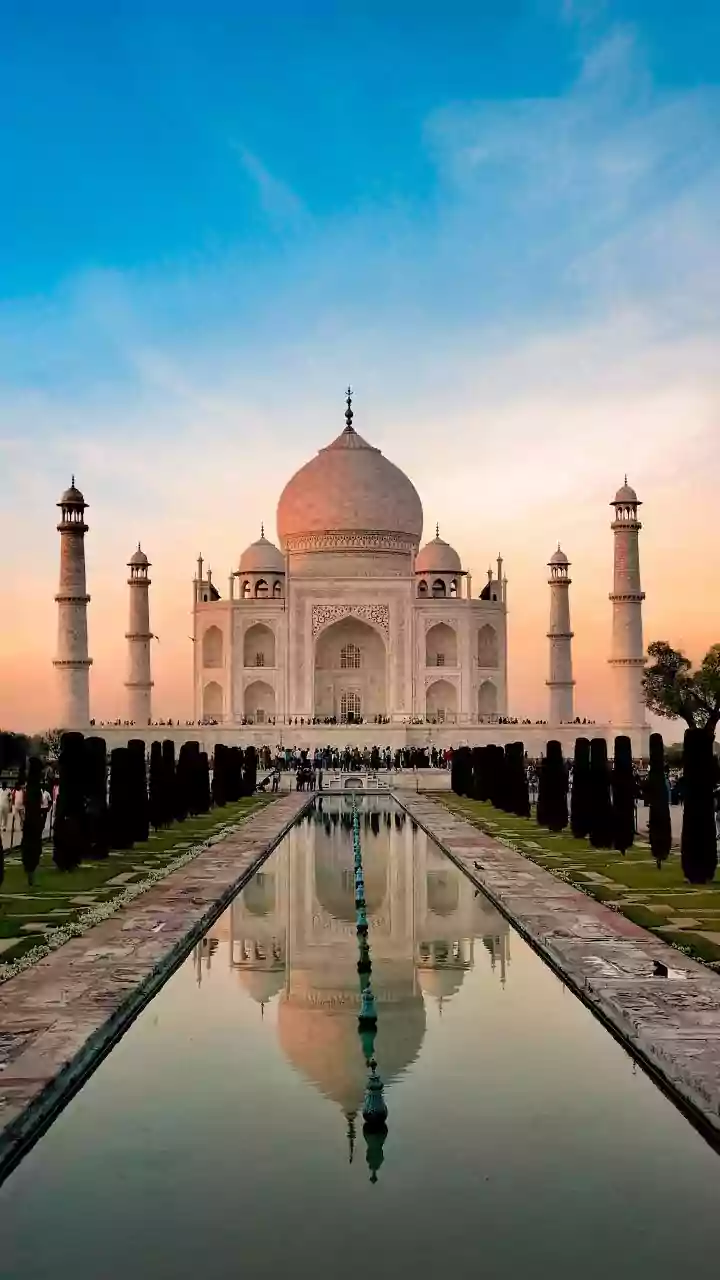
Remember the pre-2020 vacation? It often involved a frantic, box-ticking tour of a country’s top three cities. You’d come home with a camera roll of the same monuments everyone else has and a feeling you’d seen everything but experienced little. That
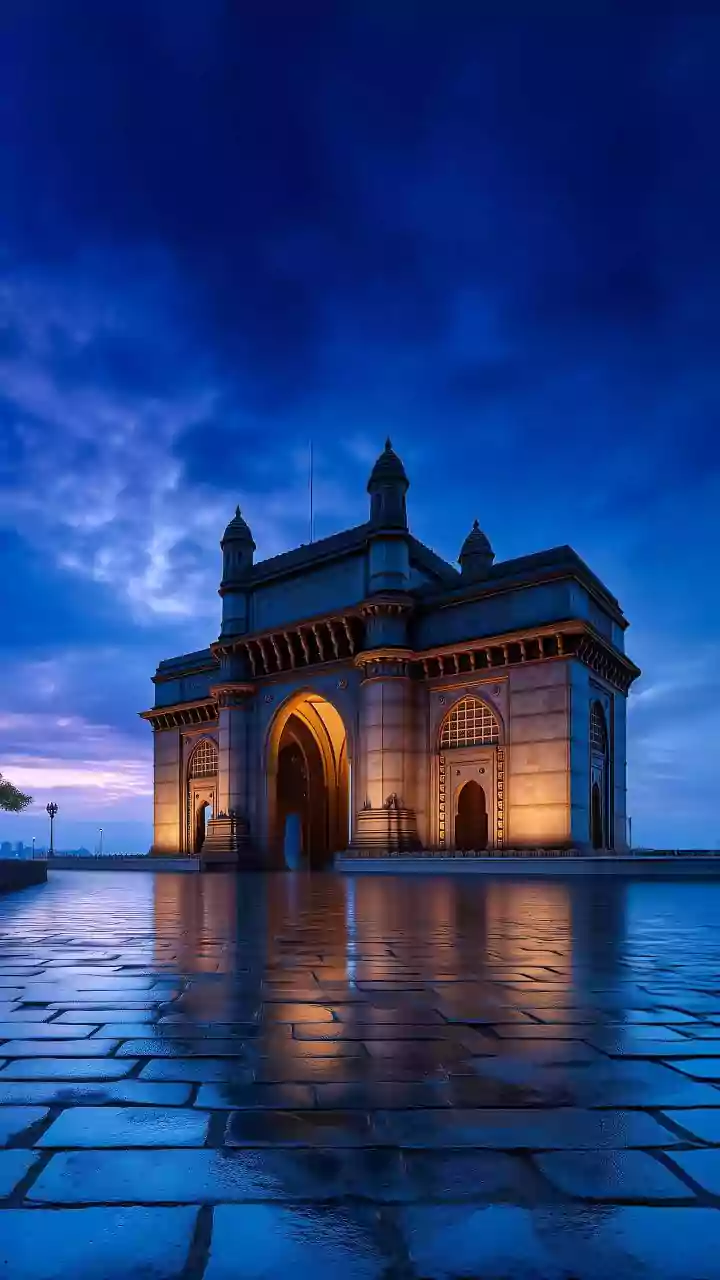
model is being quietly but decisively disrupted. Industry data and anecdotal reports from travel advisors paint a clear picture: Americans are increasingly trading the 'been there, done that' circuit for deeper dives into specific regions. Instead of a whirlwind tour of Italy's Rome-Florence-Venice trinity, they’re renting a farmhouse in a single Puglian village for a week. Instead of just hitting New Orleans, they’re exploring Louisiana's entire Cajun Corridor. This isn't just about avoiding crowds; it's a fundamental shift in the definition of a great vacation.
Driven by a Hunger for Authenticity
So, what’s behind the pivot? It’s a perfect storm of post-pandemic clarity and digital fatigue. After years of being stuck at home, travelers returned with a renewed sense of purpose. The novelty of simply being somewhere new wore off, replaced by a desire for genuine connection and memorable moments that don't feel pre-packaged. Social media plays a paradoxical role. While Instagram once fueled the race to capture iconic shots, it also created a sea of sameness that many now want to escape. The new travel bragging right isn’t a picture in front of a landmark; it’s the story about the tiny, family-run restaurant you discovered, the local artisan you met, or the secluded hiking trail you had all to yourself. It’s a search for experiences that feel unique and personal, not algorithmically suggested.
Trading Tourist Traps for Local Treasures
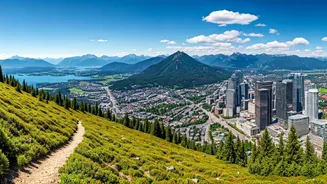
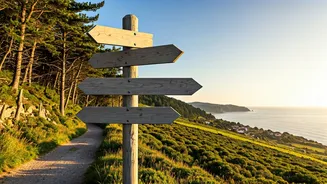
This trend looks different for everyone, but the pattern is consistent. It’s about swapping the obvious for the interesting. In practice, this means travelers are bypassing the main attractions to explore the periphery. Instead of Napa Valley, they’re exploring the emerging wine regions of Oregon’s Willamette Valley or even Texas Hill Country. Within the U.S., rather than making a beeline for Los Angeles, visitors are discovering the quieter charms and distinct character of places like Santa Barbara or Ojai. The goal is no longer to 'see a city' but to inhabit a place, even for a short time. This might mean booking a cooking class in a local's home through Airbnb Experiences, joining a small-group cycling tour through a rural landscape, or simply spending an afternoon in a neighborhood cafe far from the tourist center.
The Rise of the 'Second City' and Beyond
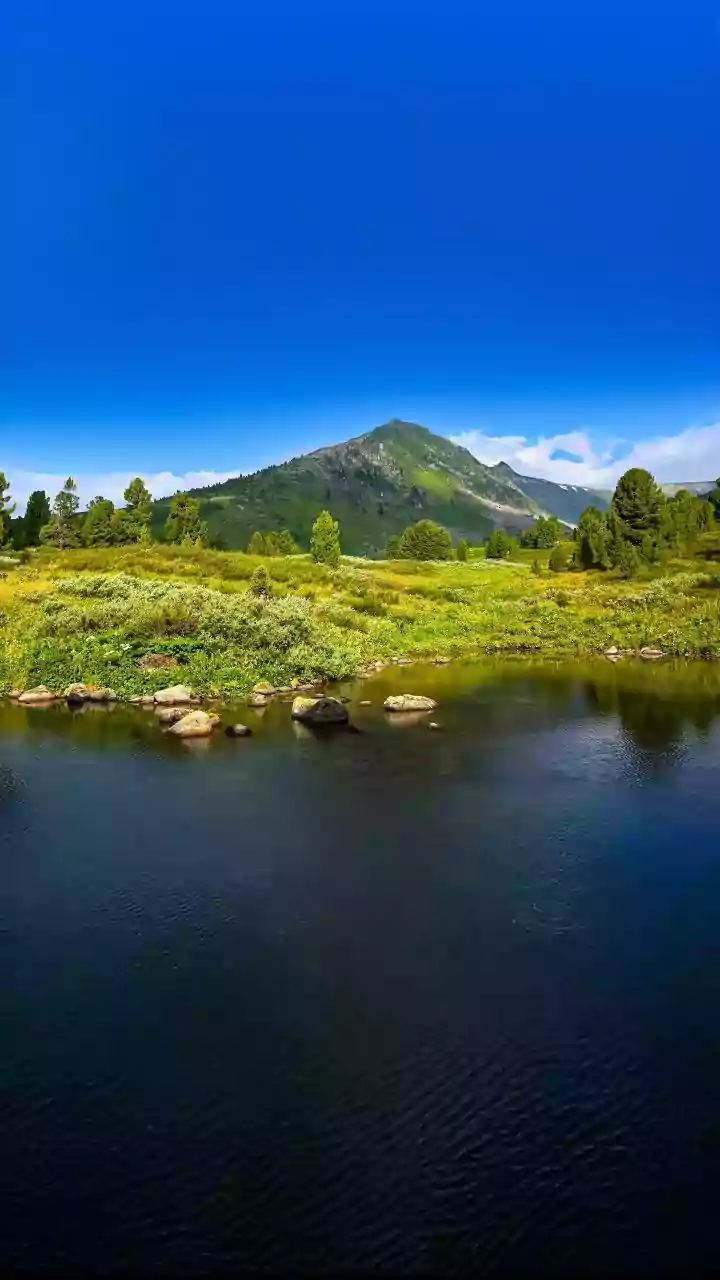
This shift is a massive boon for destinations that were previously considered 'flyover' or secondary. Cities like Boise, Idaho; Chattanooga, Tennessee; and Richmond, Virginia, are enjoying a tourism renaissance, attracting visitors with their vibrant food scenes, outdoor access, and more relaxed pace. These places offer a compelling value proposition: all the amenities of a great trip—excellent restaurants, cool hotels, cultural attractions—without the crushing crowds and inflated prices of their mega-city counterparts. The trend also extends to rural areas. The desire for open space and disconnection has led to a boom in visits to national parks' lesser-known neighbors and charming small towns that were once just dots on a map. Tourism dollars are spreading out, creating economic opportunity in places that were often overlooked.