



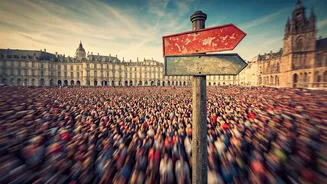
The Burnout from Over-Tourism
Let’s be honest: the ‘perfect’ vacation often feels more like a competitive sport. We’ve all felt the pressure to see the ten ‘must-see’ sights, only to find ourselves shuffling through shoulder-to-shoulder crowds under a blazing sun, waiting in a two-hour
line for a 30-second glimpse of a famous painting. This is the reality of over-tourism, or what the headline aptly calls ‘sunburned tourist chaos.’ Destinations from Venice to Barcelona have been so inundated that they’ve begun actively discouraging visitors. For travelers, the experience can be hollow. It’s a checklist completed, not a memory made. The exhaustion that follows is real, leading many to ask if the point of getting away from the rat race is just to join a different, more picturesque one.
The Rise of 'Slow Travel'
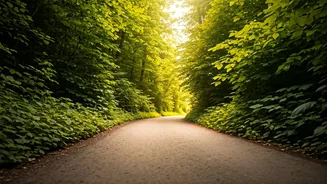
The antidote to this frenzy is ‘slow travel.’ It’s less about how many places you can cram into a week and more about how deeply you can connect with one. Instead of racing between cities, a slow traveler might rent a small house in a single village for ten days, learning the baker’s name, discovering the best hidden walking paths, and shopping at the local market. This philosophy prioritizes depth over breadth. It swaps the frantic energy of a packed itinerary for the gentle rhythm of daily life. It’s about being present in a place, not just passing through it. This approach isn't about laziness; it’s about intention. It’s choosing to absorb the culture, flavors, and atmosphere of a location rather than just documenting its landmarks for social media.
From Bucket Lists to Botanical Gardens
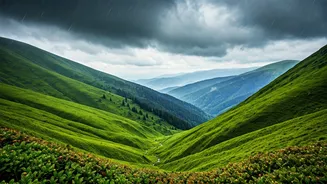
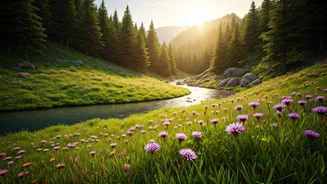
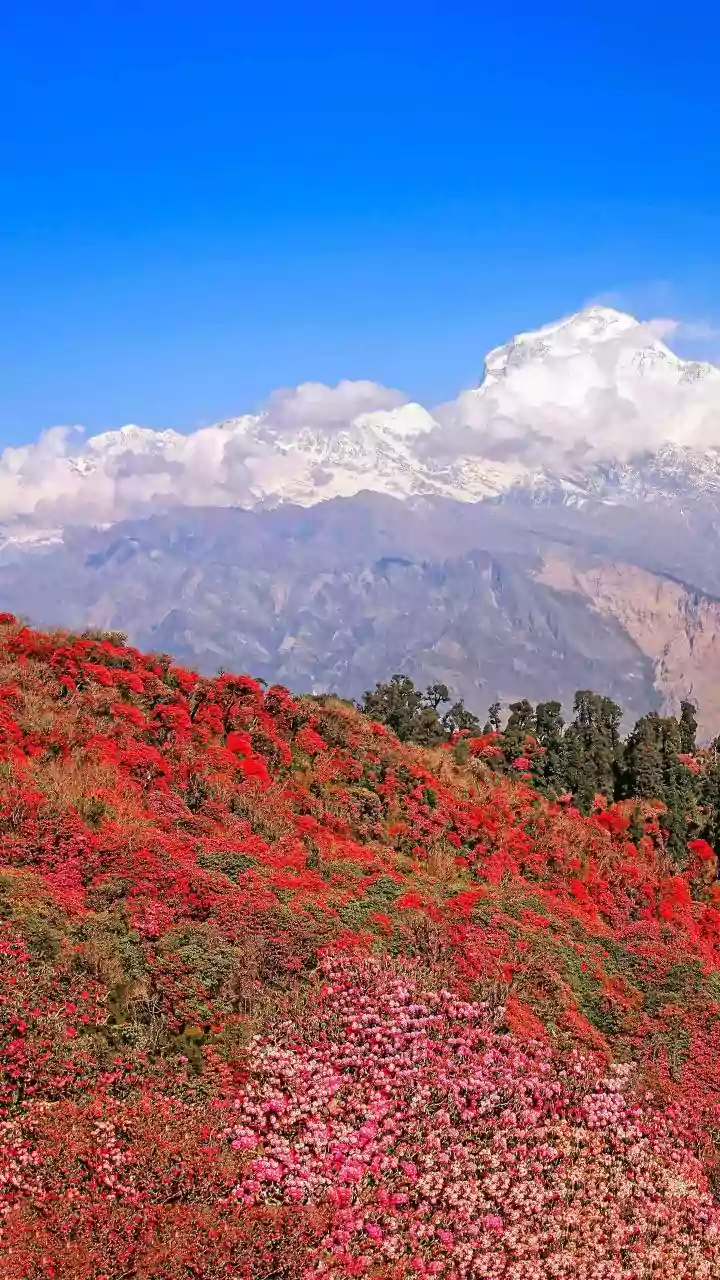
The ‘flowers’ in the headline are both literal and metaphorical. Literally, travelers are showing a surging interest in agritourism and nature-based holidays. Think trading a packed beach for a stay on a Tuscan farm during olive harvest, or swapping a city bus tour for a hike through the wildflower meadows of a national park. These trips offer sensory richness—the smell of lavender, the taste of fresh-picked fruit, the sound of wind in the trees. Metaphorically, ‘flowers’ represent beauty, tranquility, and growth. It’s a search for experiences that are restorative, not draining. Instead of collecting passport stamps, travelers are collecting moments of peace, wonder, and genuine delight, which are often found far from the beaten path.
Seeking Connection Over Crowds
The chaos of mass tourism often isolates us. We're surrounded by people, yet connecting with no one. The new travel ethic seeks the opposite. It’s about smaller-scale experiences that foster human connection. This could mean taking a cooking class with a local chef, staying in a family-run guesthouse, or visiting an artisan’s workshop. In these settings, travel becomes a two-way exchange. You’re not just a consumer taking photos; you’re a guest participating in a culture. This desire was amplified by the isolation of the pandemic, reminding many that the most memorable parts of a trip are often the conversations had and the people met, not the monuments seen.
The Quiet Appeal of Sustainability
Choosing flowers over chaos is also an ethical decision. The model of mass tourism is notoriously hard on the environment and local infrastructure. It drives up rents for residents, pollutes fragile ecosystems, and places an unsustainable burden on public services. By opting for quieter, nature-focused, or community-based trips, travelers are implicitly voting with their dollars for a more sustainable model. Supporting small, local businesses, respecting the natural environment, and contributing to the preservation of a place rather than its degradation has become a key motivator for a new generation of conscious tourists. It's a recognition that the world's beautiful places are a finite resource, and the best way to enjoy them is to help ensure they’re still there for others to enjoy tomorrow.