

From Guard Dog to Fur Baby
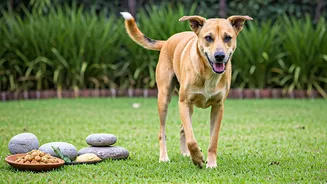
For generations, the role of a dog in many Indian households was functional—a guard for the property, fed on leftovers and table scraps. But that image is rapidly fading, especially in the country’s booming cities. A profound cultural shift is re-casting
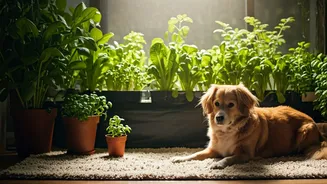
pets, particularly dogs and cats, as cherished members of the family. This trend, often called “pet humanization,” is the engine driving the demand for better nutrition. As young, urban professionals form nuclear families and delay having children, pets are increasingly filling a central emotional role. They aren’t just animals; they’re companions, confidants, and “fur babies” deserving of the best care. This change in status means that what was once considered good enough—a bowl of rice and milk or last night’s leftovers—is no longer acceptable for a growing number of pet parents.
What 'Smarter' Actually Means
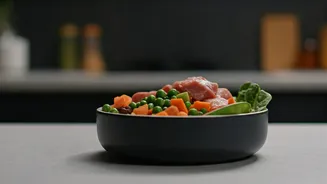
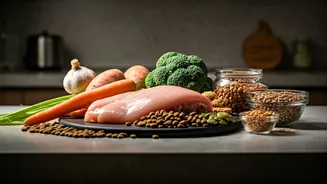
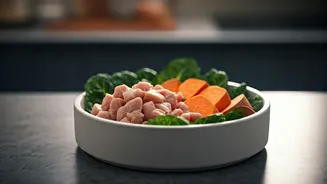
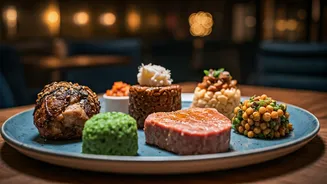
So, what do these “smarter” pet meals look like? They mirror the premium trends that swept through the U.S. market over the last decade. We're talking about scientifically formulated kibble that addresses specific health needs, like joint support or sensitive stomachs. But the real disruption is coming from fresh and customized food. A wave of new direct-to-consumer (D2C) startups, like Heads Up For Tails and Pawfectly Made, are offering subscription boxes with gently cooked, human-grade meals made from ingredients like chicken, fish, pumpkin, and carrots. These companies emphasize a lack of preservatives and fillers, marketing their products as a healthier, more natural alternative to mass-produced dry food. You’ll also find freeze-dried raw foods, breed-specific formulas for Golden Retrievers or Shih Tzus (both popular in urban India), and even vegan dog food options catering to a wellness-conscious consumer base.
The Pandemic-Fueled Boom
While the premiumization trend was already simmering, the COVID-19 pandemic threw gasoline on the fire. As millions of Indians were confined to their homes during lockdowns, pet adoption rates soared. This new wave of owners, many of them millennials and Gen Z, were digital natives already comfortable with e-commerce and subscription services. They turned to the internet to learn about pet care, where they were exposed to global standards of nutrition and wellness. Seeking companionship during a period of isolation, these owners formed intense bonds with their new pets. The willingness to spend more on their pets' health and happiness grew exponentially, creating a perfect market for startups promising higher-quality food delivered straight to their door.
A Mirror to the American Market
If this story sounds familiar, it should. The trajectory of India’s pet food market looks a lot like a sped-up version of what happened in the United States. Brands like Blue Buffalo challenged the dominance of legacy players like Purina by championing natural ingredients. Then, companies like The Farmer’s Dog and Freshpet took it a step further, disrupting the industry with fresh, refrigerated meals that look like real food. India is now experiencing its own version of this evolution, with local entrepreneurs building brands that speak directly to the aspirations of a new Indian middle class. While the market is still much smaller than its American counterpart and premium products remain a niche for affluent urbanites, the direction of travel is clear. This isn't just about feeding pets; it's a powerful symbol of rising disposable incomes and changing consumer values in the world's most populous nation.